GaiaSeed is one of the premier PlayStation One import titles to come to the United States PlayStation Store thanks to the courageous efforts of Monkey Paw games to enlighten the western world of Japanese gems of the PSOne era. As told by the independent publisher of these unique classics, the main restraint from keeping import titles from the US market is localization and translation. As such, GaiaSeed on the PSN store comes complete with a Japanese manual and Japanese subtitles. Fret not, shoot ’em up fans, for PlayStation LifeStyle is here to advise.
As mentioned, GaiaSeed is a "shmup" (shoot 'em up) from Japan, first released in 1996. While the game has Japanese subtitles, the voiceover is actually in English but is almost impossible to understand. Ironically, changing the voice from the default English to Japanese will provide the viewer with English subtitles. Anyways, the game takes on a very vague plot, told in a poignant manner, of a futuristic universe in which the planet Earth is recovering from widespread pollution with the foundation of "GaiaSeed". To make matters worse, the neighboring space is riddled with intergalactic conflict which the unknown main character must fend throughout the course of the game.
From the start, GaiaSeed will not strike upon any unique characteristics to set it apart from many other PSOne horizontal side-scrollers, such as R-Types. While it may not be as as Square Enix's Einhander (also on the PSOne), the game eventually sets itself apart from the crowd, especially for western audiences given its Japanese nature. As the player gets a enticing taste of the subtle nuances the retro title has to offer, the end experience is without a doubt enjoyable to say the least.
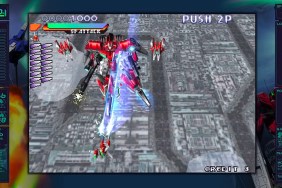
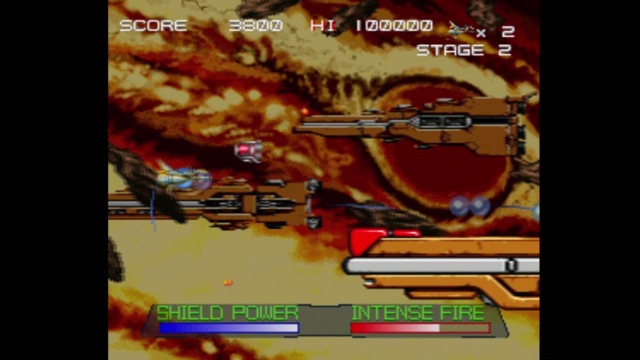
First off, the most important differentiator of any "shmup" is the gameplay. Right off the bat, gamers will take note of the regenerating shield gauge which, if not exclusive to GaiaSeed, is undoubtedly considered innovation coming from a generation where the competition employed the one-hit-death mechanic or shield systems via floating health packs. On top of the typical rapid fire primary weapon, throughout the levels are an assortment of power-ups that add a secondary, automatic reinforcement attack that periodically fires without any input from the user. Offsetting the lack of a user-controlled secondary attack is what's called an "Intense Fire" which comes in two forms: one that carries the likeness of a thick laser and the other shooting off auto-locked orbs rapidly, both of which inflicting as massive amount of damage.
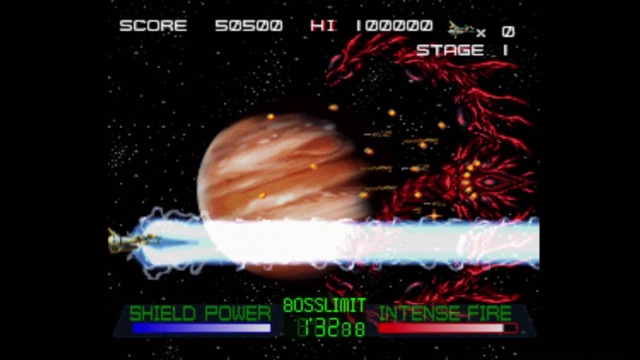
Last but not least, an often overlooked aspect of any video games, even in the current HD era, is soundtrack. GaiaSeed thankfully comes packed with a illustrious soundtrack containing a decent variety of musical numbers. The soundtrack at times works in great synchronization with the poetic plot but often times, the hectic atmosphere does not match the calming music. Regardless, it is clear that an above-average effort was put into the soundtrack of the game but sadly the tone was mismatched.
What ultimately makes a a shoot 'em up a "shmup" is its difficulty. While Japanese side-scrolling shooters are generally intimidatingly difficult for western audiences, GaiaSeed proved to be a great primer given its three difficulty settings, including a Practice mode that gives the player unlimited continues. For hardcore "shmup" fans, however, GaiaSeed is admittedly an average contender at best. At only $6 on the North American PSN Store, it isn't a bad pickup for retro gamers seeking out an import experience but, with a lackluster storyline, the import category is essentially just a vanity word. However, with all that it does right and the past generation innovations that it brought to the table, GaiaSeed belongs in any hardcore "shmup" fans' collection.
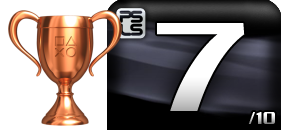
PlayStation LifeStyle's Final Score + Innovative weapon, shield, and powerup systems
+ Great value for a rare import
- Pales in comparison to other retro shooters
+ Innovative weapon, shield, and powerup systems
+ Great value for a rare import
- Pales in comparison to other retro shooters |
 |