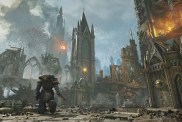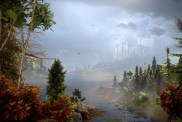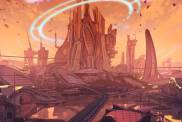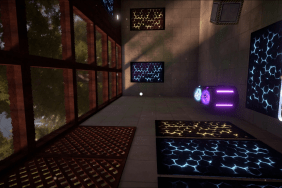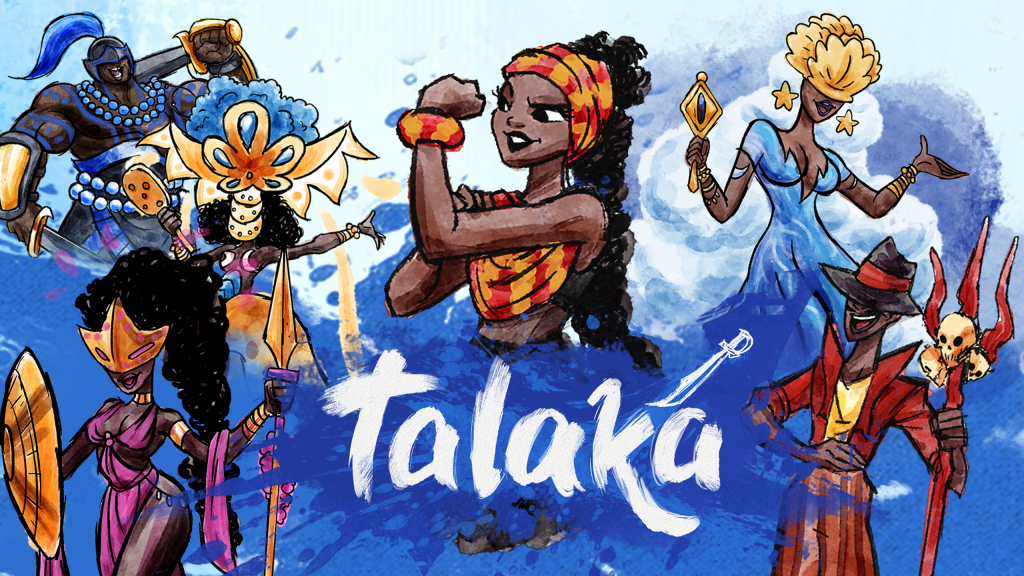
While at GDC last week, I got some hands-on time with developer Potato Kid’s action platformer Talaka and spoke with the CEO and Game Designer Paulo Santos. The game fuses fast-paced combat with a striking world inspired by Brazilian folklore, architecture, and myth. Fluid movement, challenging encounters, and expressive pixel art make it a standout for action fans.
Introduces Brazilian Folklore to the World
Back in 2014, E-Line Media published Never Alone, which was made and developed by Upper One Games in conjunction with a poet and storyteller of Iñupiaq and Tlingit heritage. This helped highlight the indigenous folklore of the Alaskan region in video game format. I say that only as a reference, and this game has no connection to that one. Speaking with Talaka’s Game Designer Paulo Santos, he created Talaka in a way that he believes this game will do the same with Brazilian folklore that Never Alone did with Alaskan folklore.
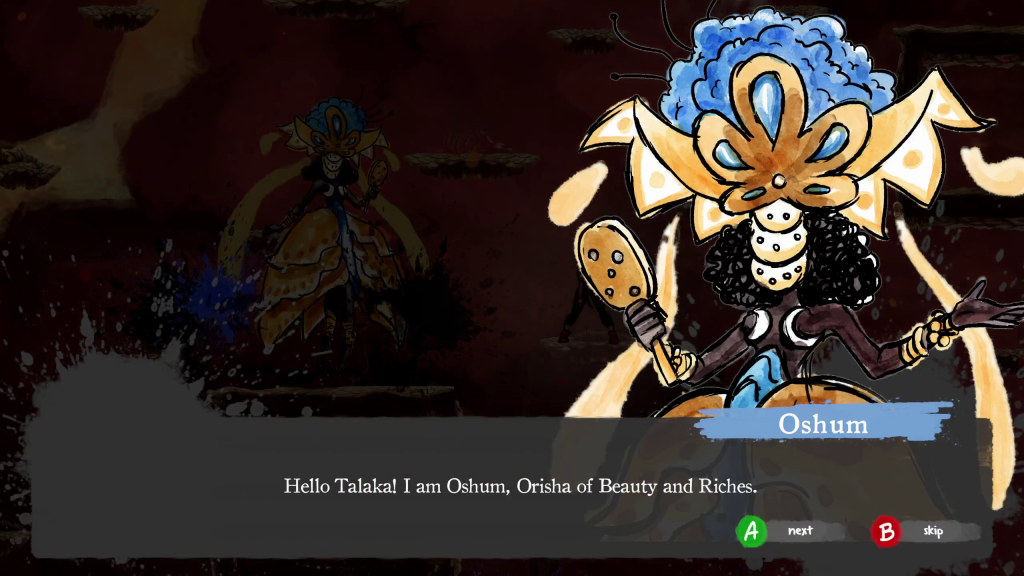
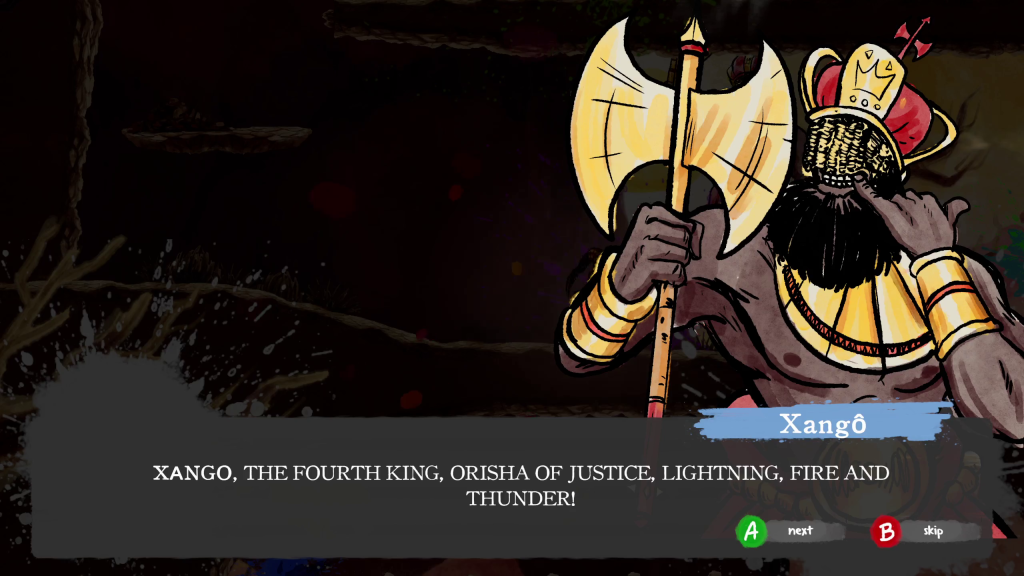
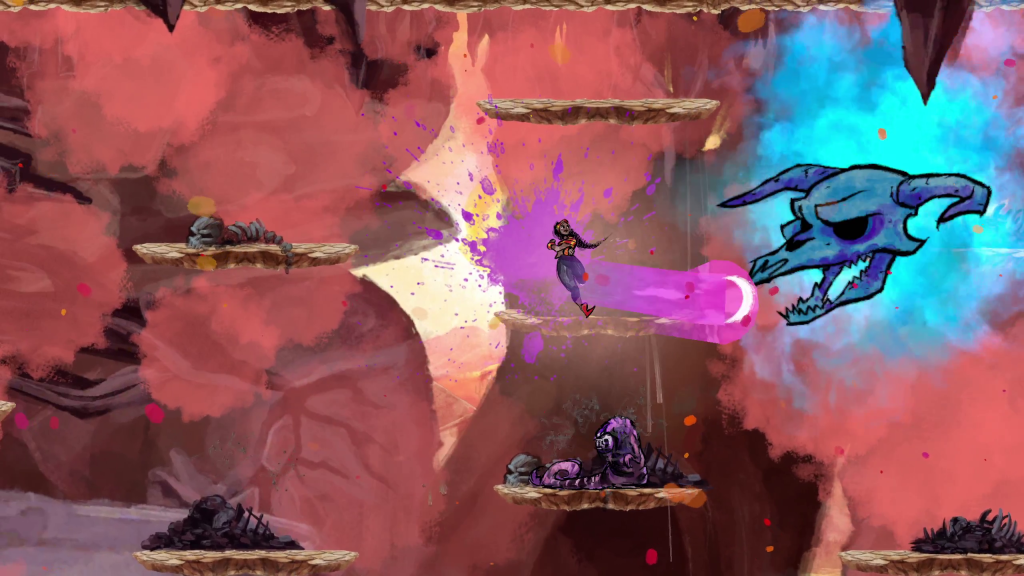
Talaka is a fast-paced, combat-driven roguelite that brings Afro-Brazilian mythology to life in a vivid, hand-painted world unlike anything you’ve seen. You play as a young warrior who once believed in the old legends—the stories of Orisha gods, mystical creatures, and ancient realms. But as time passed, the myths faded. Forgotten by the world, the legends have begun to unravel—twisting into chaos, breaking the harmony between worlds.
Watercolors and a Brazilian Backdrop
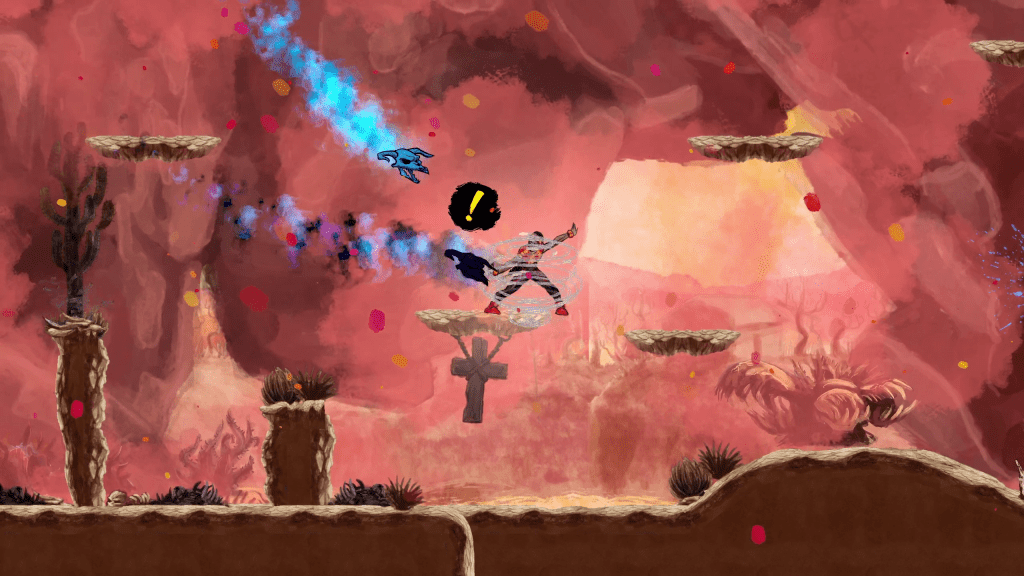
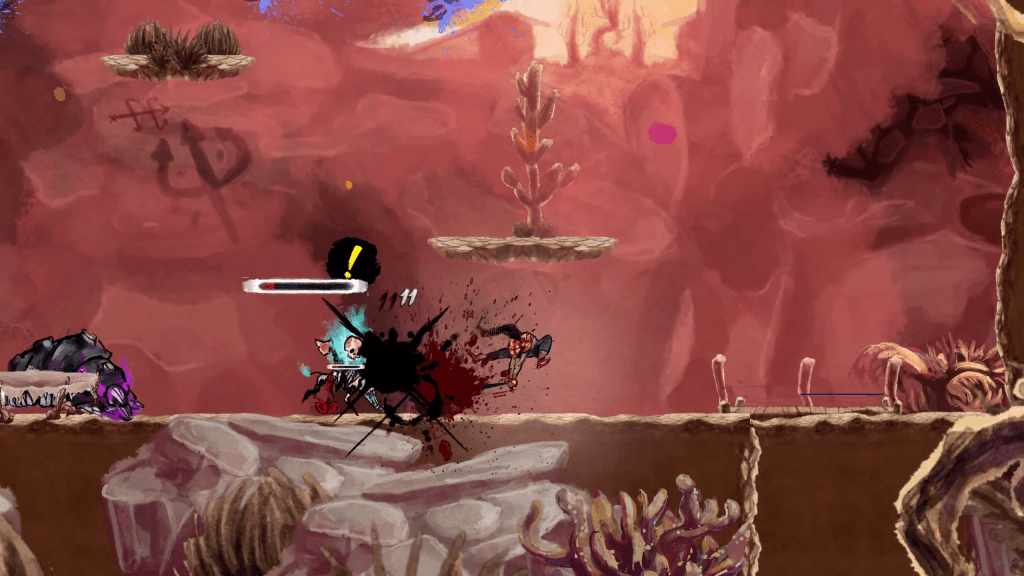
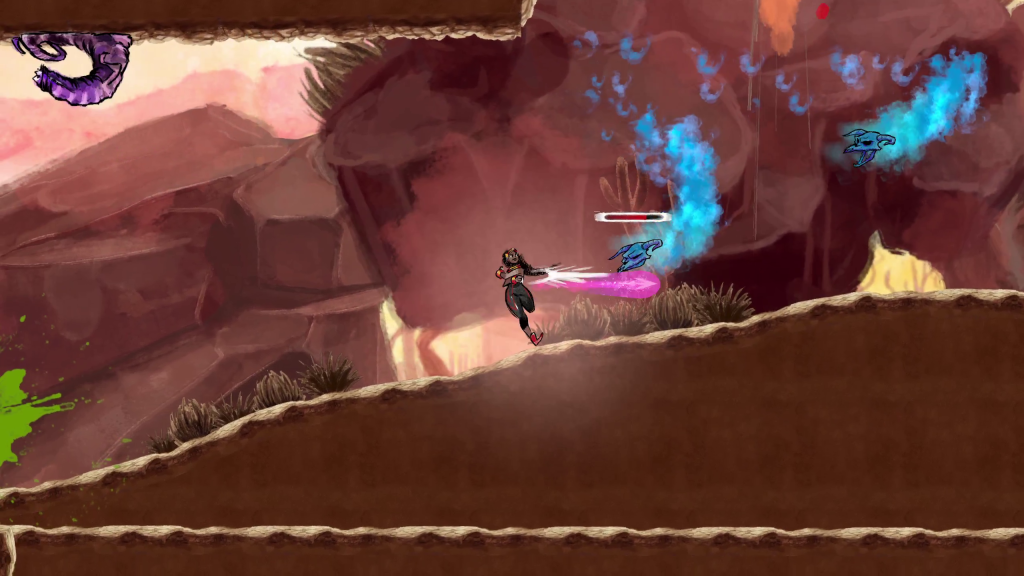
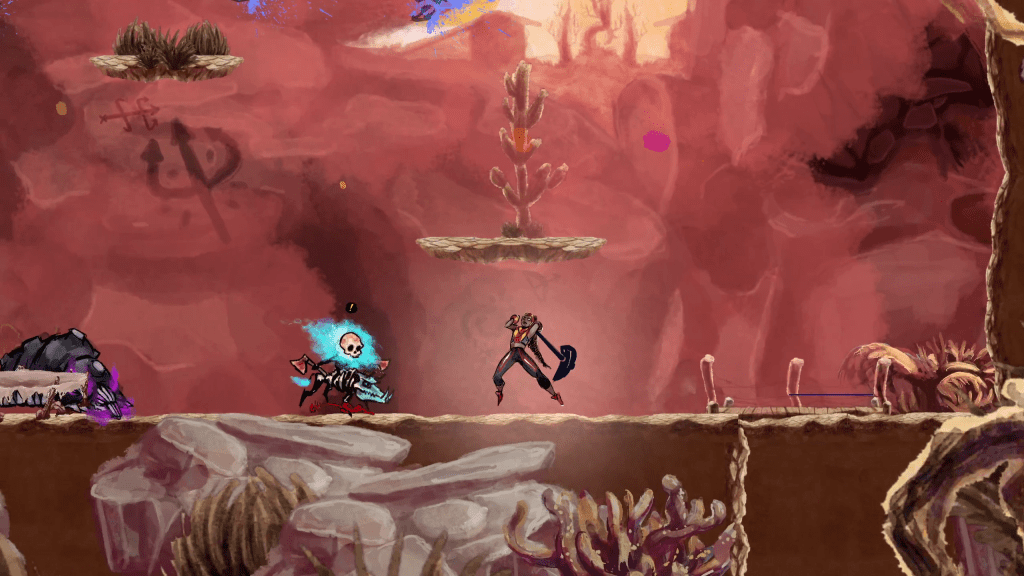
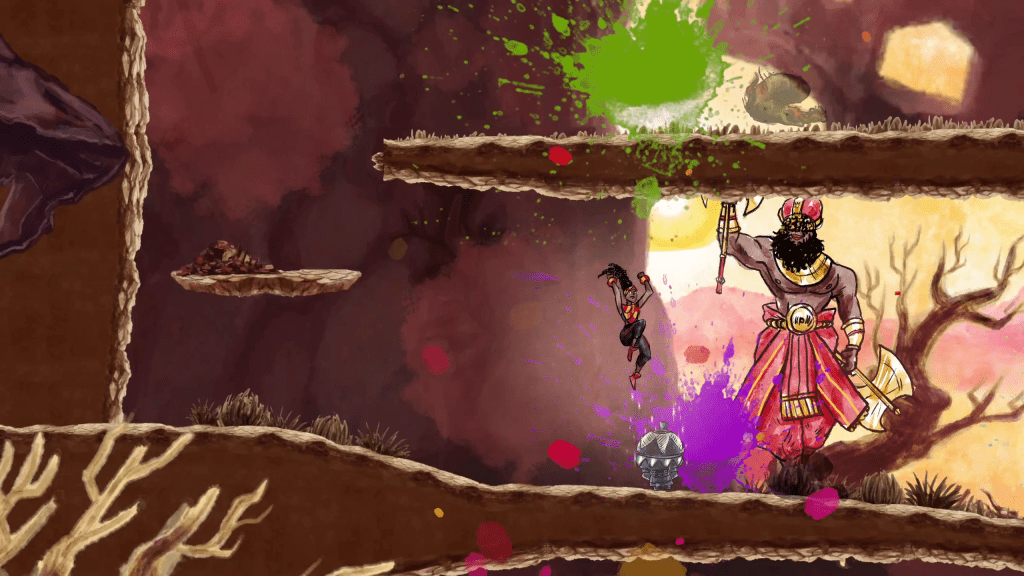
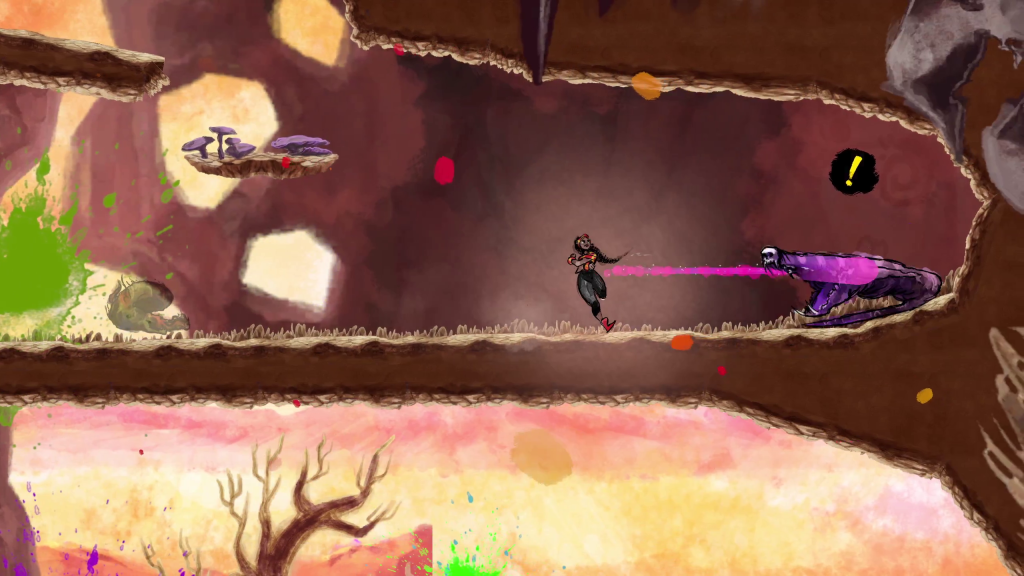
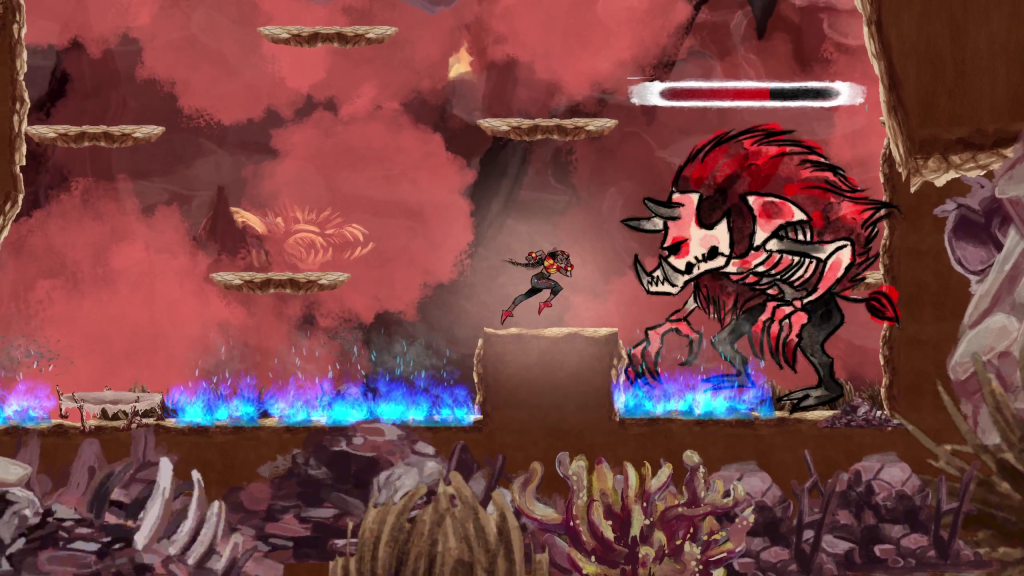
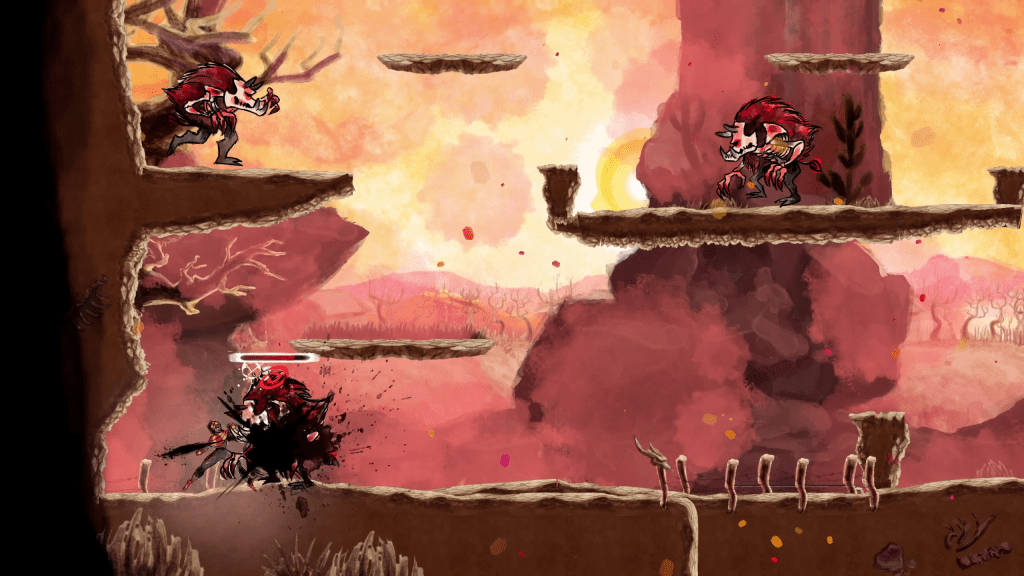
The environments for the game are beautiful to look at and almost unique in that they all appear to be hand-painted with vibrant watercolors. Even during fighting and action sequences, the game looked smooth and flawless. The game is being developed across multiple platforms, but the build I was able to play was running on a high-end laptop. The control scheme was determined by the connected controller, so I switched from an Xbox controller to a PlayStation controller for a better on-screen button reference.
The game has 65 different levels designed and available to the game engine, and each time you load into a chapter of the story, the game picks 14 random levels that you’ll play through. Not exactly procedurally generated, but the randomness of the design should make each chapter feel unique. Each chapter does end at the same boss level, but that is a good thing because knowing where each platform is will aid you in defeating the bosses.
Roguelite Mega (Wo)Man in Brazil
Talaka’s gameplay brought back some cool memories of old school games like Mega Man on the NES, albeit with a different soundtrack. You play as a young warrior who once believed all of the old myths and legends, but has since forgotten and must relearn all of it through gameplay that is wrought with enemies.
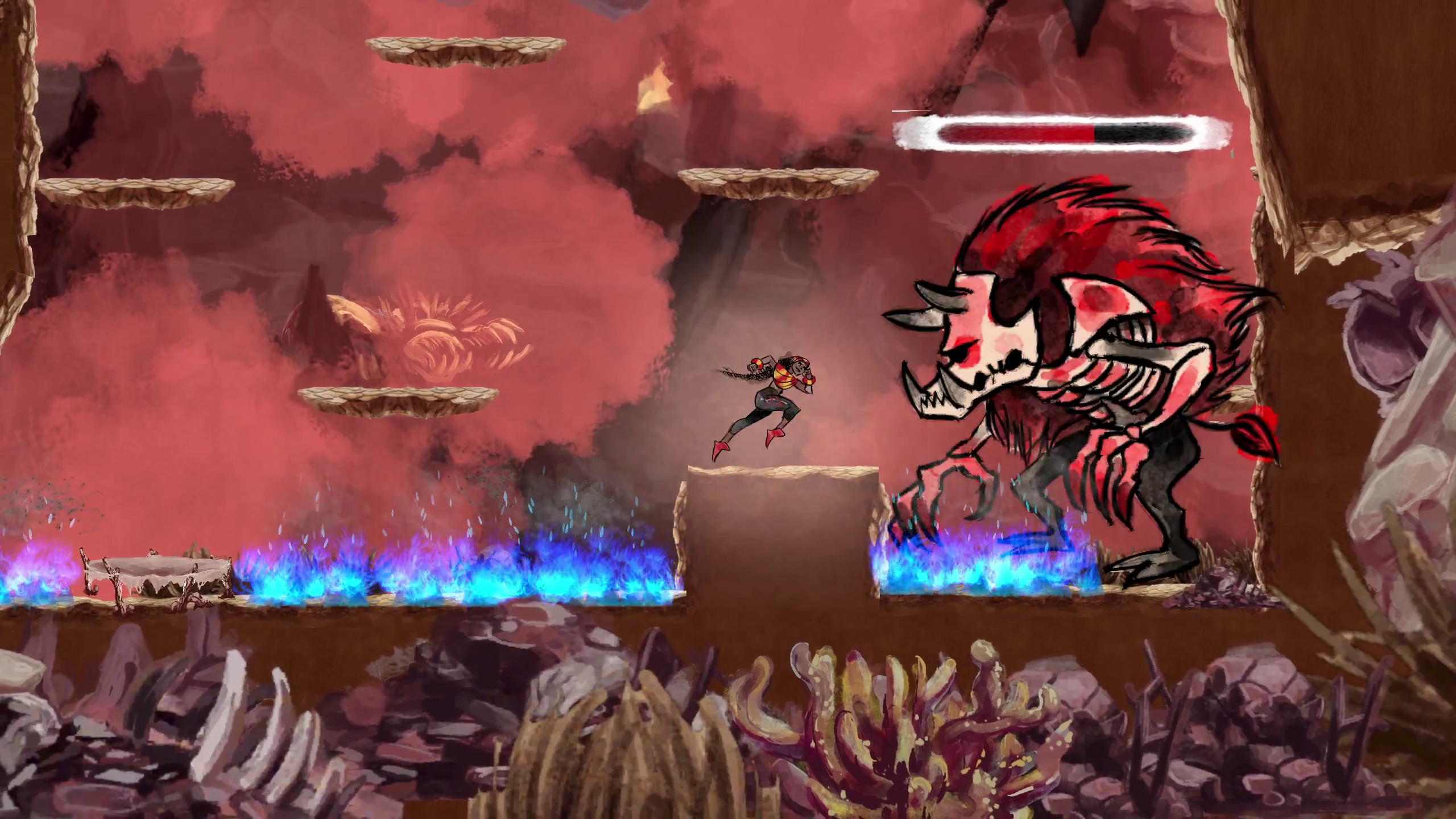
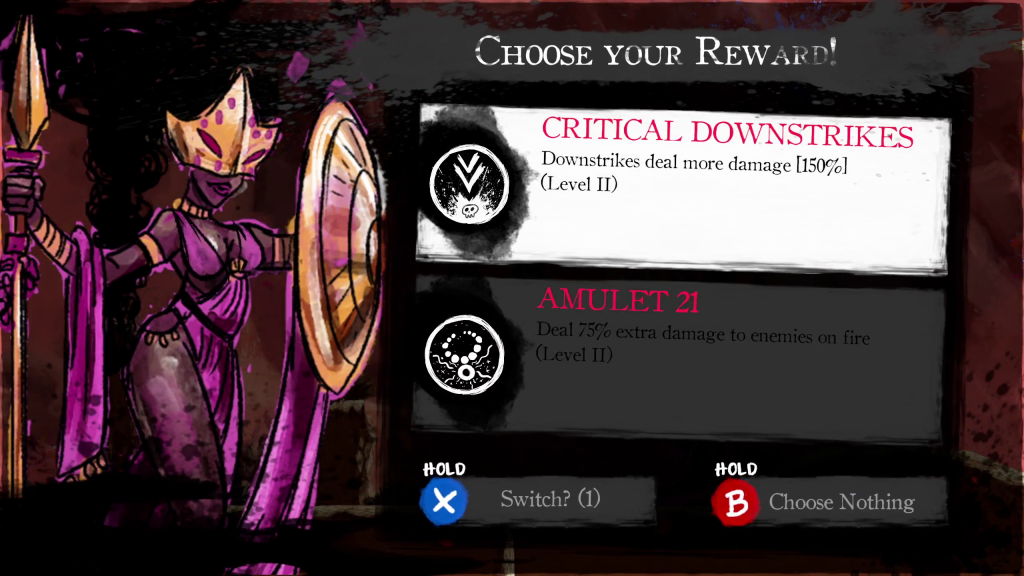
Tactics have to be learned, but the on-boarding experience lets you get right into the action. I was given god-blessed weapons, and power-ups to assist me. I was moving through these levels at a fast pace, throwing bananas and dodging attacks. The game play was addictive and fun, much like Mega Man was back in the day. Each level culminating in a final boss battle that tested my newly learned skills and weapons, and forced me to learn to evade, parry, and attack at the proper times.
Brazilian Music Enhances the Game
The soundtrack for the game was impressive. I could hear the drums, chants, and melodies that were crafted in collaboration with Afro-Brazilian musicians. The rise and fall of the tempo was indicative of what lay immediately ahead of you. Some of the boss battles used that tempo as a key to defeating said boss, so pattern recognition was key to success.
Developer Potato Kid has done an incredible job of bringing Brazilian myth, legends, and folklore to life in Talaka. With the release set to Q2 of this year and possibly a demo soon, this game should be on everyone’s radar.