Note: This opinion piece reflects the views of the author and not PlayStation LifeStyle as a whole.
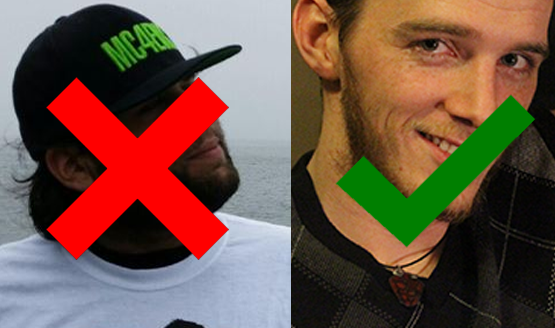
Almost without fail, every time I write a less-than-glowing review I will check the comments and see people claiming that I wasn’t the “right reviewer” for the game. If you’re confused as to what that term means, then let me break it down. The reader is disappointed that the game didn’t get the score that it “deserves,” and since they can’t accept someone possibly enjoying something differently than them, they claim that the reviewer just wasn’t up to the task. It’s a way for them to feel superior about having the “right” opinion, and a way to make the reviewer seem unqualified.
This is silly for a number of reasons, and initially I would just ignore it. Why correct something that has no merit to it? It honestly felt like a waste of time, but it has started to occur with such regularity that I felt the need to dispell this myth once and for all. Before I can really tackle this subject, though, I feel like a step back is needed in order to see the bigger picture.
What’s the Purpose of a Review?
Reviews are typically written for one main reason: to help consumers decide if a game is worth their money. Everybody knows that gaming isn’t the cheapest hobby, and if a player is going to spend $60 on a new release they want to know that it’s worth getting first. After all, there is nothing worse than forking over your money and absolutely hating it.
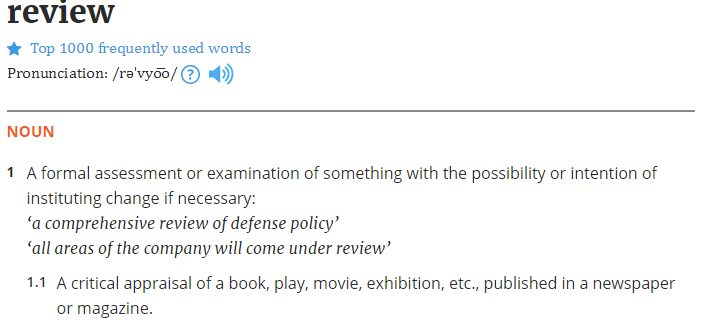
There are a lot of other positives to reviews too. Developers get valuable feedback from those that study the field, and can use that to improve their games afterwards. It also provides a platform for a critic to look at larger issues with the medium as a whole, but the main purpose has always been to take a critical look at a product. At the end of the day, it’s merely one person’s opinion (and yes, reviews are an opinion — it’s even in the Merriam-Webster definition of the term).
Since all of humanity doesn’t share the same tastes, this often leads to a wide range of reviews. It’s not shocking for the same game to get a 4/10 from GameSpot and a 9/10 from IGN. This type of differing opinion typically makes me want to read both reviews and to see why one reviewer enjoyed the game more than the other critic. Sadly, not everyone views criticism this way which leads to readers decrying “wrong reviewers” for negative scores.
Every Review Has Merit
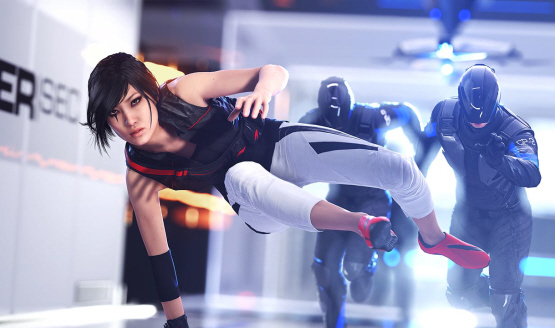
In a review earlier this year, I offhandedly mentioned that I’ve never been a huge fan of first-person platforming. This caused a reader to write a comment begging PlayStation LifeStyle to not allow me to review Mirror’s Edge Catalyst in fear of it getting a negative review. I didn’t end up reviewing that game (and I highly doubt that comment influenced the decision behind that), but I do feel like there is something worth dissecting here.
Let’s take a look at Mirror’s Edge Catalyst. It’s a first-person platforming title, that already has an established audience due to the first game being relatively successful. Since AAA first-person platformers are released as often as Halley’s Comet comes around, it means that devout fans of the genre will pick it up without giving it a second thought. So, the people who would need a review would be those on the fence — such as people like me who don’t love the genre.
So, if anything, a review from a critic like me would be useful to the most amount of people. If Mirror’s Edge Catalyst had managed to wow me then it would really speak to the quality of the game, even more so than someone already infatuated with the concept. That said, there’s nothing wrong with someone who adored the first game to review it either. There are plenty of people who will want to know if a sequel will succeed from the base of the first game as well, and it’s a good thing that more opinions are being voiced on games.
A critic doesn’t need to be an expert on a genre in order for their review to have merit, as most consumers won’t be either. A review of a MOBA by a first-time player and someone who plays Dota 2 regularly are going to be vastly different, but each speaks to a different crowd. Each review appeals to different groups of readers, and that is a great thing. Reviews need to represent more voices, not less.
Avoiding an Echo Chamber
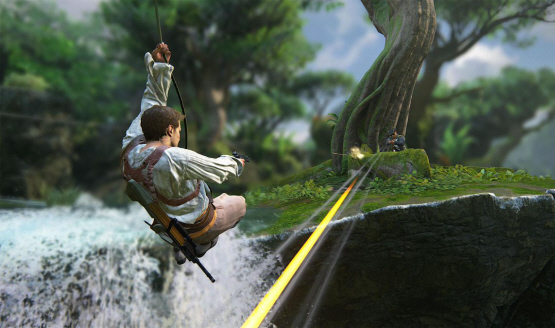
If you follow reviews closely, then you’ll remember that there was a really ridiculous Uncharted 4 controversy earlier this year. This stemmed from a non-scored Washington Post review of the game that was branded a 40/100. It’s the only negative review of Uncharted 4 on Metacritic, so naturally it got a lot of hate from Naughty Dog’s very loyal fanbase.
While I thought Michael Thomsen’s review was fine (although, I did enjoy the game slightly more than he did), it brings up a bigger issue: why is Thomsen’s review the only negative one? If Uncharted was a universally beloved series, then I could understand there only being one outlier, but it isn’t. It’s not hard to find someone who played an Uncharted game, decided it wasn’t for them and stopped playing the series. I even know several video game critics who write for newspapers and websites that don’t dig Uncharted, so why aren’t there more reviews for like-minded consumers?
In my experience, it’s not uncommon to see critics that only volunteer to review games that they think they’ll enjoy. That’s fine, even if it’s something I don’t subscribe to (I’ll gladly review a terrible-looking game as much as I would an entry in my favorite series). The issue is that it becomes widespread to the point where almost every outlet gave Uncharted 4 to reviewers that basically already knew they were going to like the game. While each of those reviews has merit, an entire chunk of consumers was left without a voice. I am far more interested in seeing if the fourth game in a series can impress those that were disappointed by previous games, rather than knowing that people who liked the previous games will also like this one. Reviews need to come from every angle, or video game criticism will quickly become an echo chamber.
Wrong Reviewers
That’s why it’s important to realize that there is no such thing as a “right” or “wrong” reviewer. Not every review will be specifically for you, but that’s a good thing. The taste of every gamer is different, so this should bleed into reviews as well. For example, my Assetto Corsa review may not be helpful to someone who likes to spend hours perfecting a single lap, but it’s going to be helpful to other potential buyers. It’s important that everyone can find a review that can help them.
So, the next time that you read a review that is different from your own opinion remember that it’s okay. Not every review is going to be for you, nor is it going to echo your thoughts. The reviewer isn’t “right” or “wrong” depending on how much they enjoyed the game, as it’s all subjective. Instead, just be glad that you got to read about someone else’s experience, and then try to read another review that better suits your needs.
Or just continue to leave comments about how the author sucks. C’est la vie.
Essential Reading:
- 10 Open World Games That Will Drive Your OCD Crazy
- PlayStation Plus Price Increase – Should You Be Worried?
- Always Remember That Gaming Is a Business
10 PS4 Sequels That Could Fulfill Untapped Potential
-
PS4 Sequels That Could Fulfill Untapped Potential
-
Knack
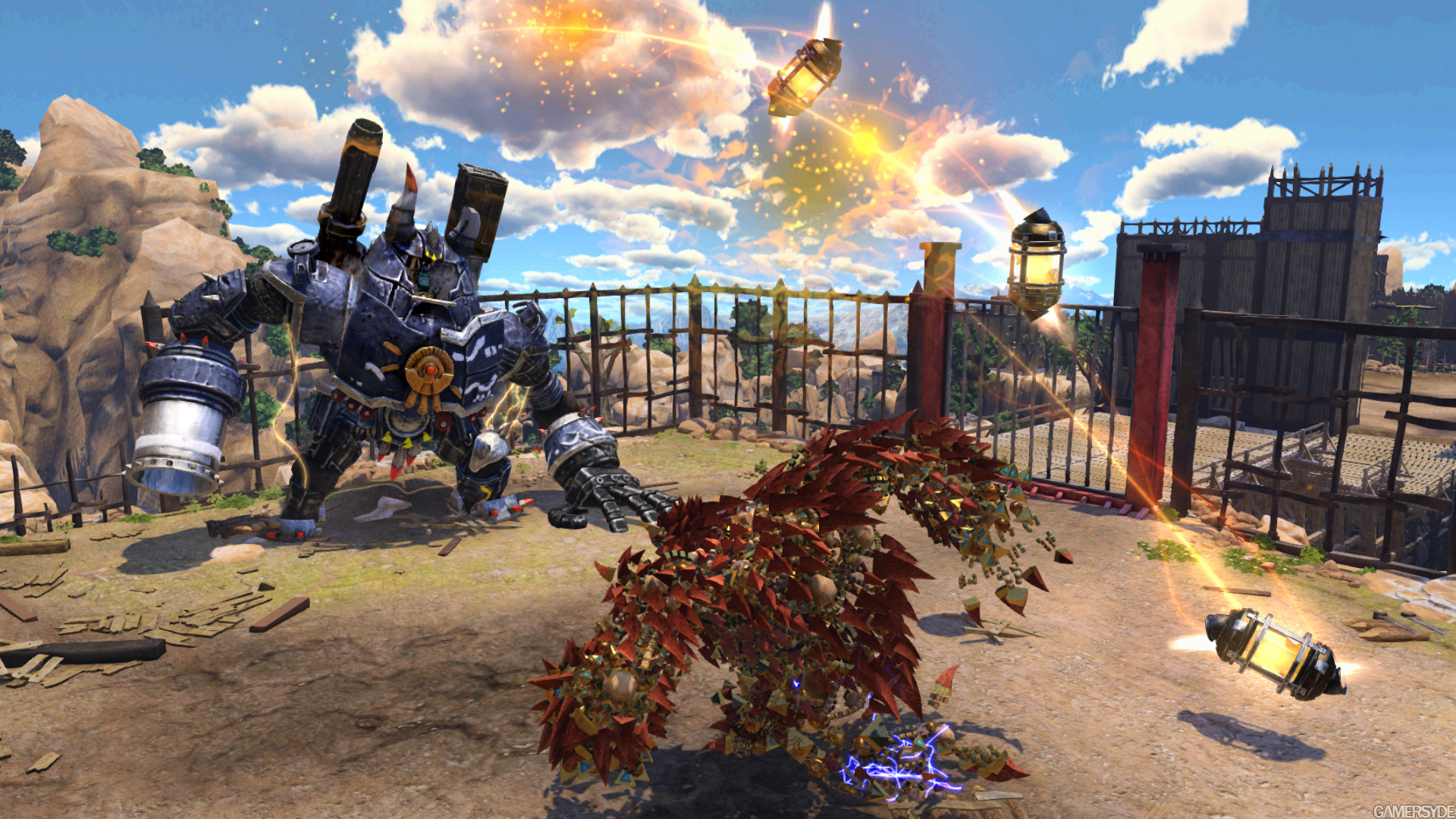
Knack's not a bad game. No, seriously. Knack was a heavily flawed attempt at an action platformer that leaned way too much into a brawler (as its gameplay is almost scarily similar to God of War). Focus more on jumping and traversal, and there really could be something great here. I'm not ready to give up on Knack, and neither should you!
-
Destiny
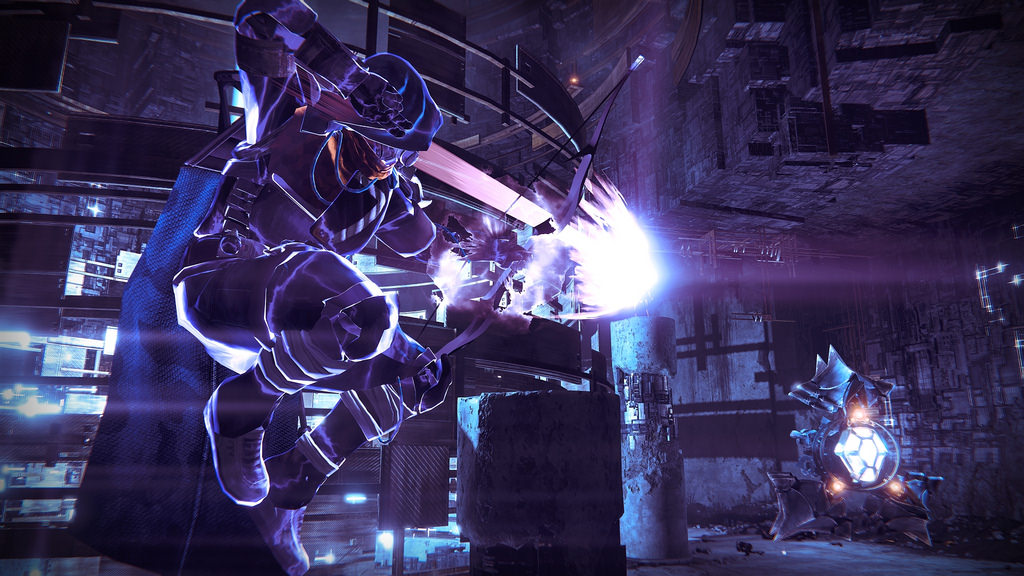
It definitely seems like Bungie has learned a lot from Destiny, as The Taken King was a huge step forward. It's still not all the way there, though. The gunplay is so sensational, and the world is so interesting, that it's hard not to be frustrated with the rest of the experience. It'd be impossible to completely fix the current game, but it could definitely be done in a sequel. One that is certainly inevitable considering what a success Destiny has been.
-
The Wolf Among Us
Telltale Games did such a great job with The Wolf Among Us, but they really only scratched the surface of what they could do with the Fables license. There's a lot of different characters yet to be explored, and Bigby's adventure is one the developer should go back to. They would have to make sure episodes are released regularly, as the infrequent release schedule of the original really hurt the overall interest in it.
-
Watch Dogs
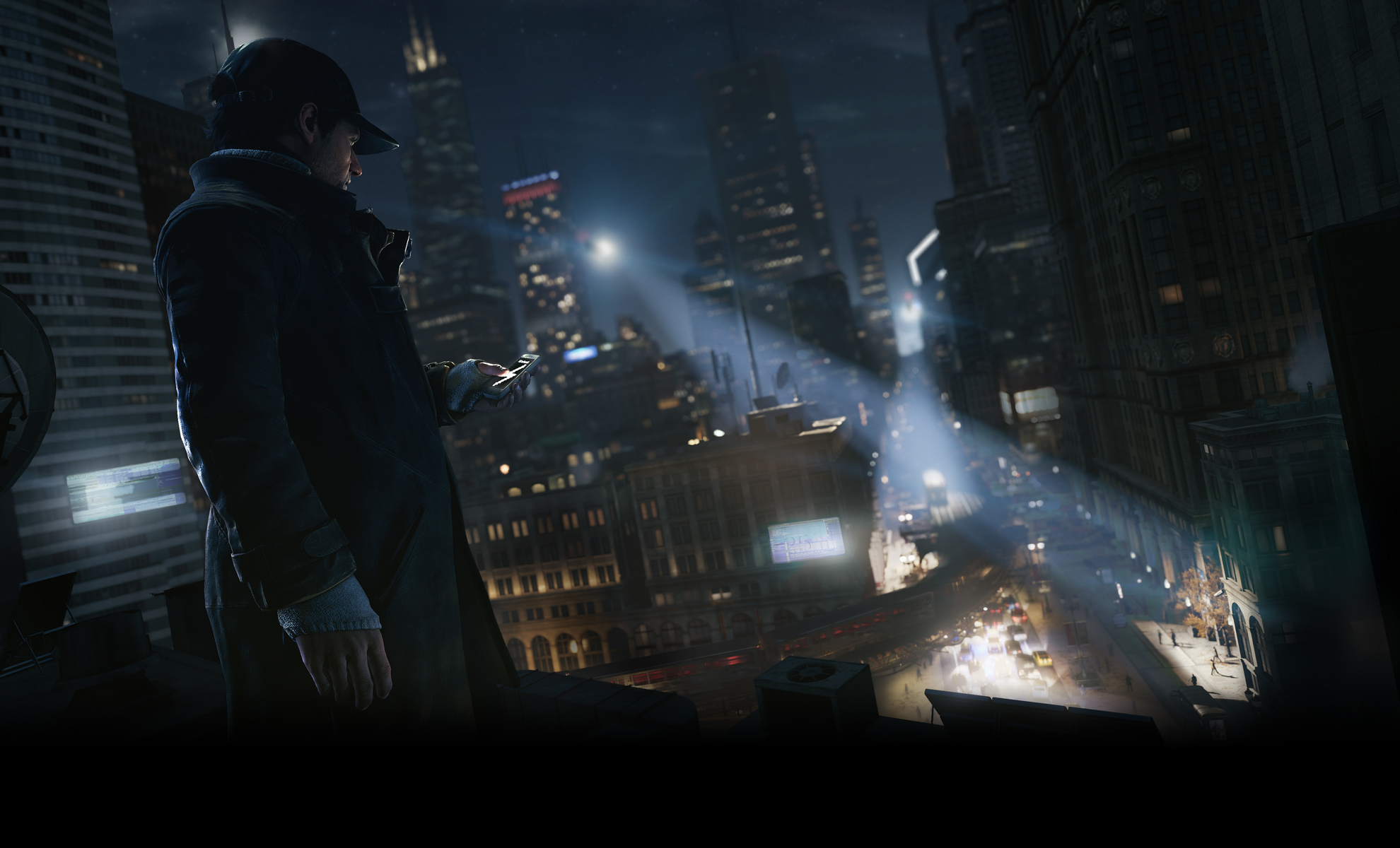
While some gamers may have a sour taste left in their mouths from Watch Dogs, there's no denying that Ubisoft had a great idea for a game. The core concept of being able to hack different pieces of technology is awesome, and it's why the game drummed up so much interest in the first place. A sequel could keep that same premise, while also introducing a likable protagonist (although Ubisoft seems to have a hard time creating those lately), and refined hacking that feels fun and not a chore. Oh, and get rid of the open-world towers. Please.
-
Evolve
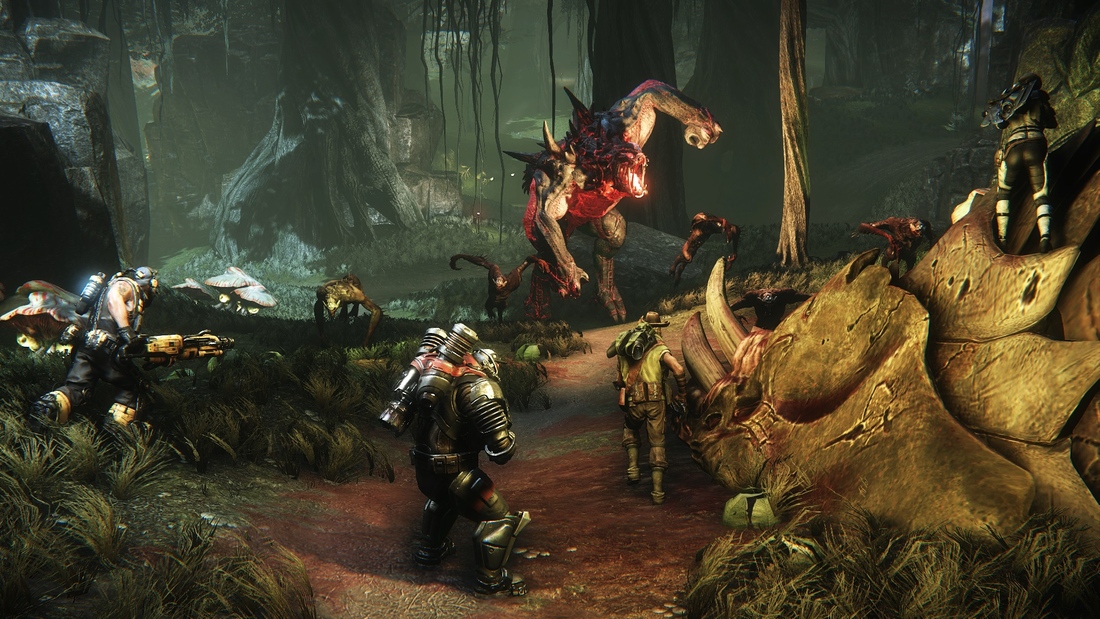
A terrible eSports focused marketing strategy and a shocking amount of day-one DLC really put a bullet into Evolve right when it came out. That's a real shame, as when you're playing with a full team that is communicating and working together there's really nothing else quite as satisfying. A sequel, if advertised properly, could build upon great gameplay, and maybe copy a bit more of what made Turtle Rock's Left 4 Dead such a success.
-
Doki-Doki Universe
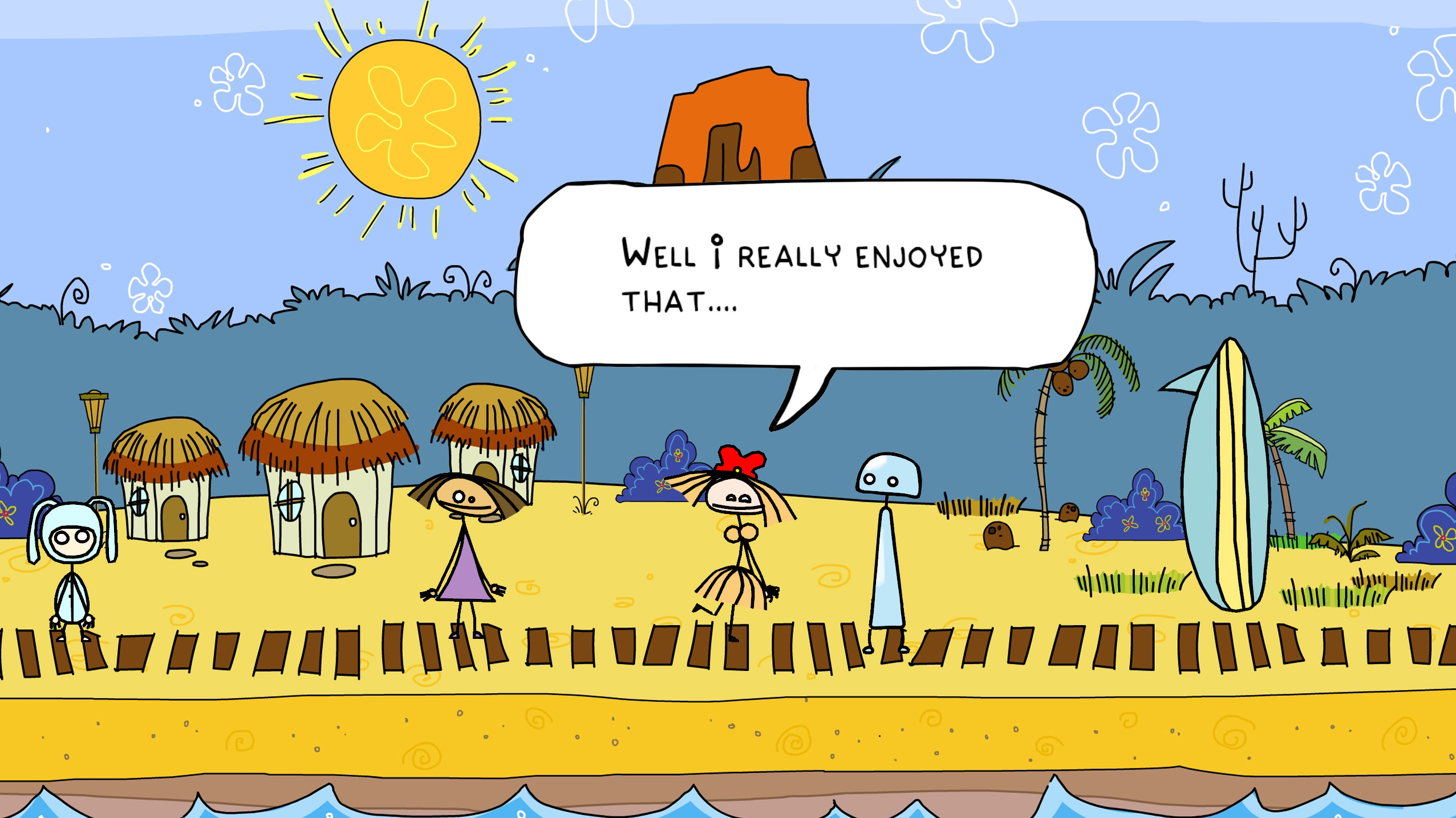
Don't panic, HumaNature Studios' Doki-Doki Universe is one of the most unique games on PlayStation 4. Blending together an adventure game and an interactive personality test, the game is brimming with charm and general weirdness. A few things kept it from maximizing its potential, though, including a poor sense of progression, and repetition.
-
The Evil Within
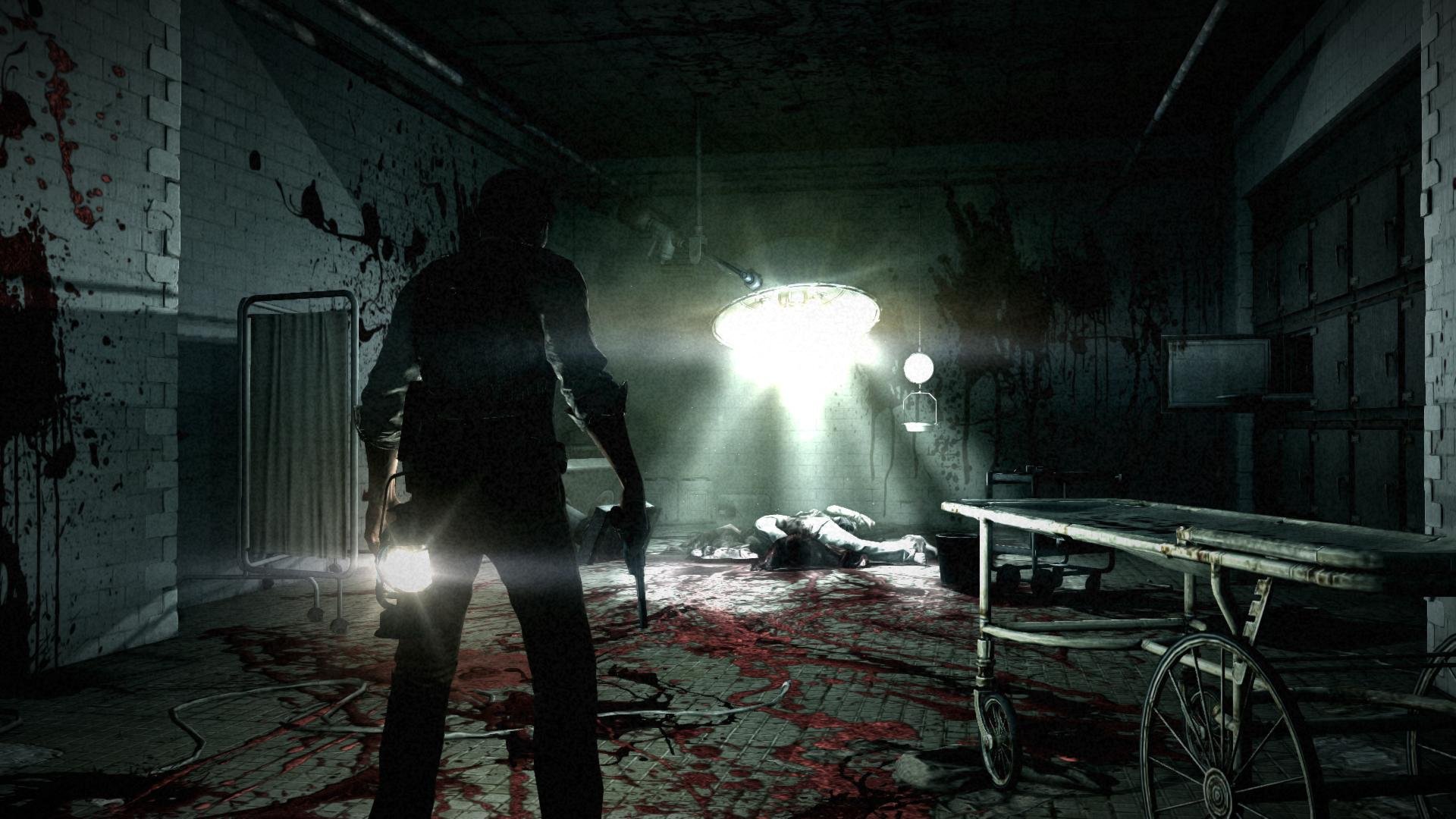
Director Shinji Mikami is a living legend, and has been instrumental in creating some of the greatest games ever made. He's also the mind behind The Evil Within which ended up being a huge disappointment. If anything, it did show that there's still fans looking for a great survival horror game, and one misstep can't undo the decades of great games from Mikami. A sequel could be something special now that Tango Gameworks has more experience under their belt.
-
The Swindle
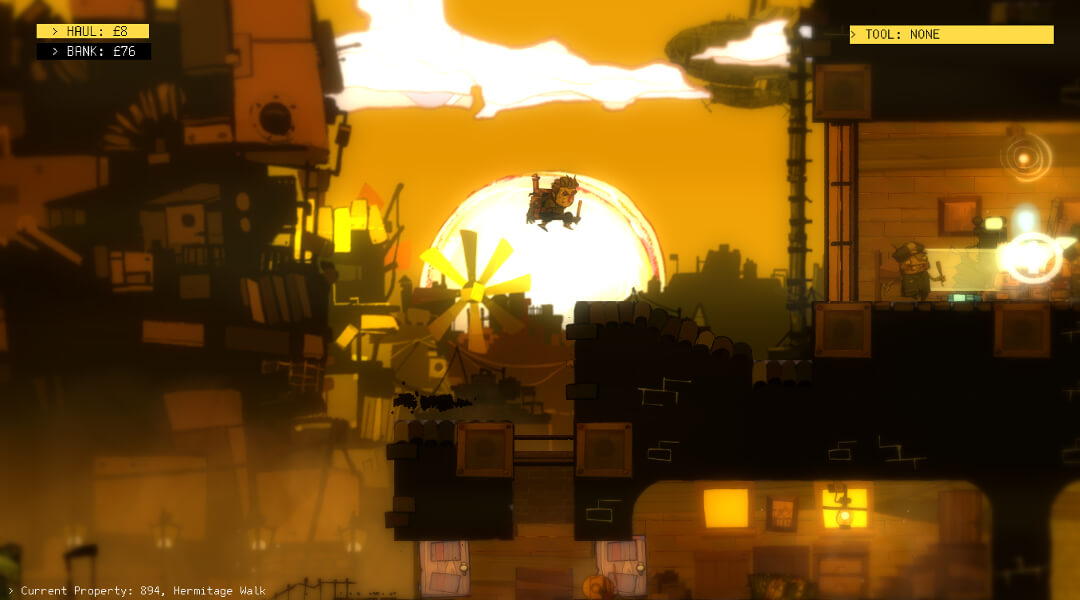
The Swindle is a really good game that's a few tweaks away from being amazing. Basically a stealth version of Spelunky, it has all of the hooks that make other roguelikes so addictive. Unfortunately, the game had some issues early on with procedurally generated levels, and later levels almost felt unfair. There's plenty of small things that could be enhanced in a sequel, and I'd love to see Size Five wow gamers with it.
-
Unravel
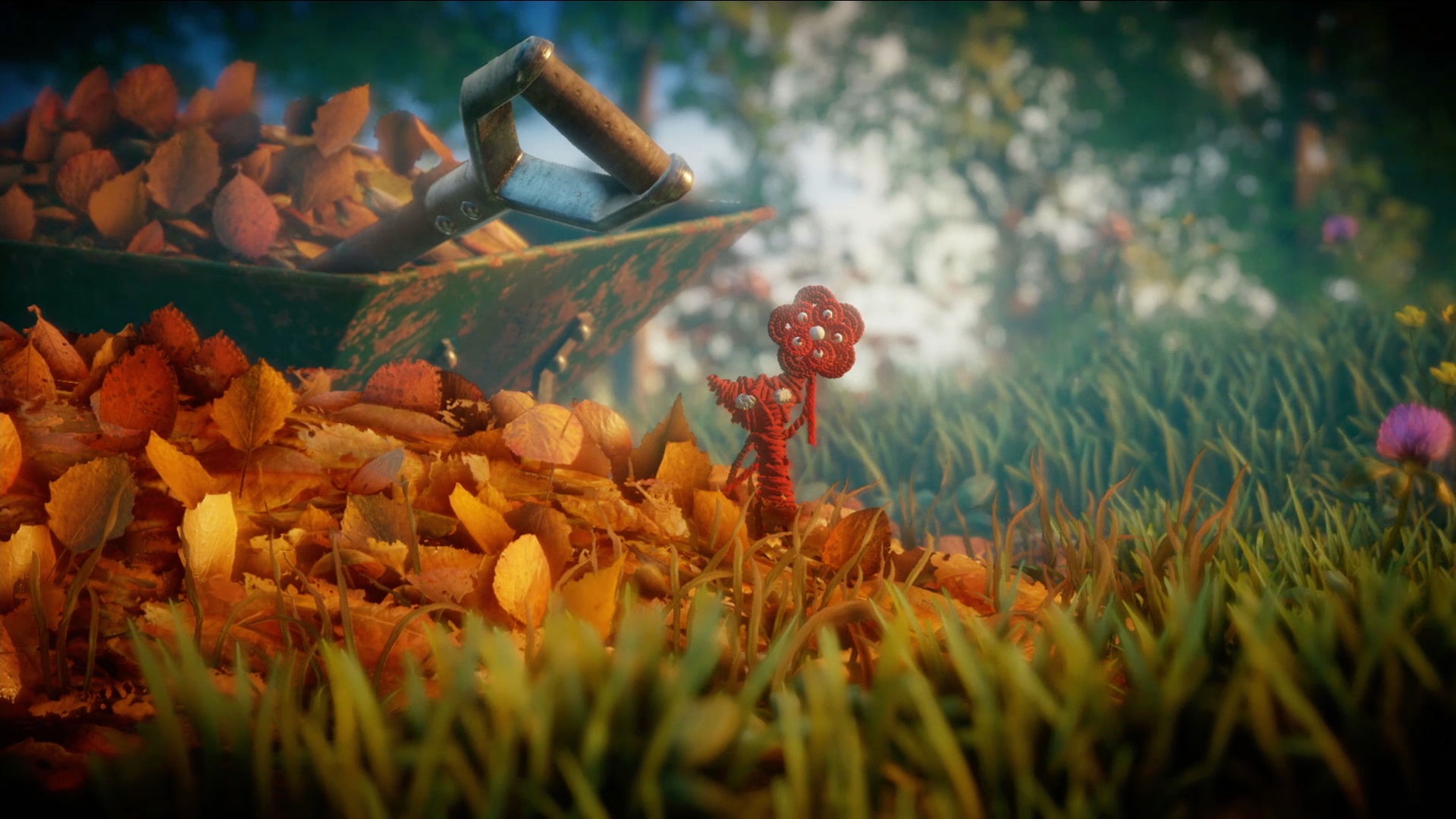
Unravel won over the hearts of many gamers immediately upon its unveil. The EA-published title is amazingly gorgeous, and it's a shame that the gameplay didn't match its visual prowess. Thankfully, a sequel is in the works and hopefully the second time around will let Yarny truly shine.
-
The Order 1886
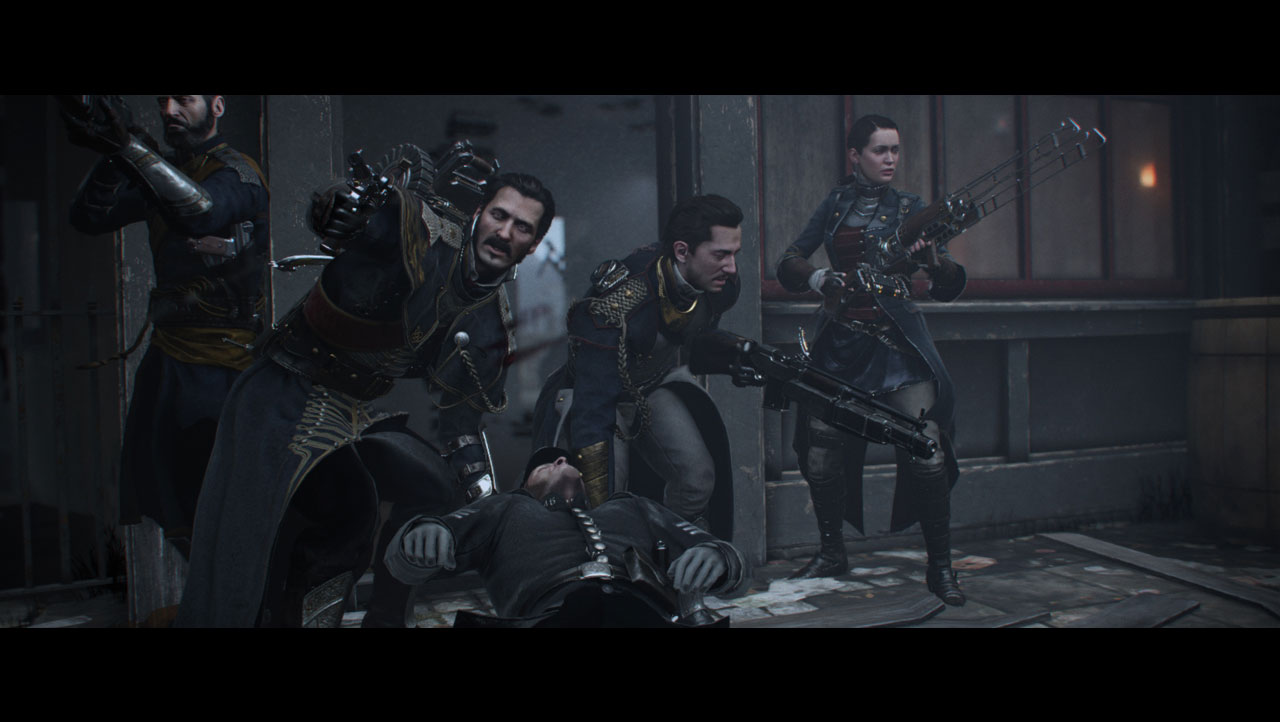
If one game on this list needs a sequel, it's The Order 1886. Not only does it end just as its plot is getting interesting, there's also a solid framework to build off of. While the original game wasn't anything more than a really pretty third-person shooter with average gunplay, there's still a chance for this series to be something special. It'd also be nice if the sequel could even run full-screen, but beggars can't be choosers.