Note: This opinion piece reflects the views of the author and not PlayStation LifeStyle as a whole.
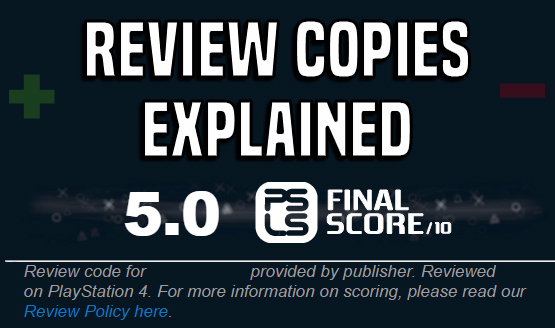
If you’ve read any of the reviews here on PlayStation LifeStyle, you’ve likely seen this disclaimer on many of them. This is the site’s way of disclosing how reviewers obtained the game they reviewed (be it provided by a publisher or purchased by the site itself). It’s an important piece of information, and disclosure has been a big deal as of late, especially when regarding YouTube videos (but that’s a whole different story for another time).
Despite the site’s best attempts at disclosure (which is also done at by every reputable gaming site), there’s still a lot of misinformation that goes around regarding review copies. One recent example that highlighted this was when Polygon’s Arthur Gies received a lot of blow back from gamers for writing an opinion piece instead of a scored review for Star Fox Zero. Fans were up in arms over Polygon “breaching” their non-existent agreement with Nintendo to review the game.
To help gamers better understand all the facets of review copies, I’ve talked to people on both sides of the industry. This will help gamers understand if any game is guaranteed a review, the struggles that developers face when giving out codes, and the working relationship between press and publishers.
Expectation of Coverage
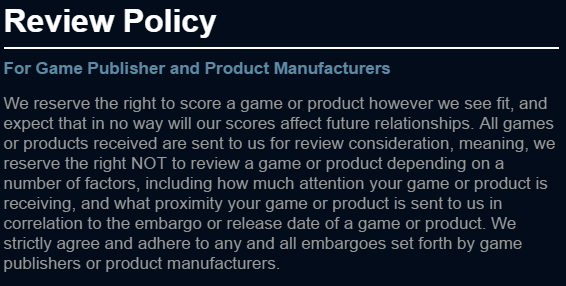
The above text is from our own Review Policy. As you can see, there’s clearly no guarantee of coverage here if a publisher sends PlayStation LifeStyle their game. I spoke with PlayStation LifeStyle’s PR Manager, Cameron Teague, about this to learn more. “If I approached the rep about a game, I would think it’s generally expected that we would do a review,” said Teague. “If we are approached, then it’s more on our schedule. However, nothing is ever verbally agreed on.” This was largely shared by the former Editor-in-Chief of Pure Xbox, Ken Barnes, who told me “It isn’t traditionally agreed that there will be any coverage, [but] it’s common decency to provide some sort of coverage if a code has been asked for and received.”
One thing that is constantly misunderstood by the general public is that every game covered was requested by a site. Both Teague and Barnes said they received several unsolicited game codes each month, with Teague saying that they’re mostly from “smaller developers or people wanting us to cover their game.” While it certainly saves sites some work by getting codes sent to them unsolicited, it has led to some frustrating situations.
“Some publishers and PRs do seem to expect that coverage will be provided when they’ve sent codes without asking” said Barnes, who has been writing about games since 1999. “In the past, [these companies] have been known to move publications down the pecking order if they don’t comply. That’s unreasonable.”
Key Scammers

Developers are inundated with gamers trying to get free keys to their games on a pretty constant basis. Zoink Games’ Mikael Forslind said he gets requests from gamers pretending to be YouTube stars or games reviewers every day, while indie games PR guru Dan Adelman said he got a lot when Axiom Verge launched, but it was down to “maybe one or two per week.” So, how do they vet through these scammers and make sure codes are going out to real outlets?
According to No Goblin founder Dan Teasdale, it’s easier than it might seem. “Most of them follow a template so it’s easy to cull the most egregious ones.” While it may not be the most difficult work, Teasdale admitted that it can be time consuming due to the sheer number of requests. “It’s definitely a slog at peak review key season (say, right after you announce and big reviews start hitting), but you get into a rhythm of checking YouTube about pages or “contact us” pages on a website and slowly churn down the list.”
Dan Adelman echoed this sentiment and said the key was to verify each request, be it by email or through Twitter. “Most scammers go away when you press for verification. There were a few where the email address didn’t match the official one, so I’d send an email to the official email to see if perhaps they had multiple email accounts. Almost invariably it turns out that it was a scammer.”
It’s not all about impersonation, as many scammers have moved onto different strategies. “The more recent trend is people running Steam groups that promise to get you “awareness” if you give them a four-digit numbers worth of keys,” says Teasdale. “Those ones are really depressing to see people fall for.” This was also mentioned by Forslind who explained “They might be legit but I’m not sure if giving keys to these groups give us anything back in return.”
Unexpected Fun
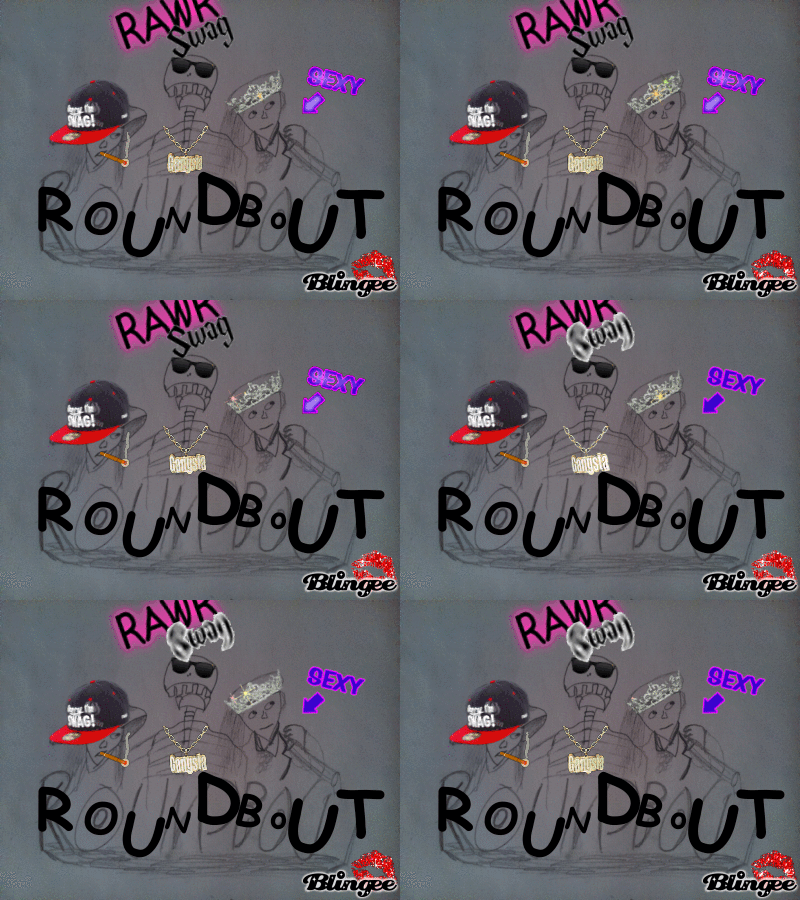
While fake requests are an annoyance that developers and PR teams have to face, it sometimes can lead to some good laughs. “We get a lot of “My country has a terrible exchange rate and your game is a month’s worth of wages, give me a free copy” requests,” said No Goblin’s Dan Teasdale. “Usually I ignore them, but I was feeling good one day and said I would if he drew fan art, then ran that fan art through Blingee.” We’ve embedded the piece of modern art above, which was posted on the game’s official Tumblr page.
Zoink Games’ Mikael Forslind has also dealt with plenty of scammers, and told me that often the emails are so unprofessional looking that they immediately can be recognized as fakes. “I think some of them are are due to people not being great with the English language so they sound more fun than they actually are,” says Forslind. “One [scammer] asked for a key to Zombie Vikings, but called the game Zombie Pirates. Come on, at least get the name right!”
Working Together
As mentioned previously by Mikael Forslind, the reason why sites are given review copies is that the developers “get something in return.” This is always something that will be at a publisher’s discretion, and no site is ever entitled to a review copy. That said, developers also get something out of a review. They gain valuable feedback which can then be used to improve future games (or their current game through patches). They also gain attention for their product, which has only grown in importance with the sheer number of new releases.
This has largely shaped Forslind’s methodology to giving out review copies. “We try to give out codes to everyone regardless if they’re IGN, a small blog or just someone that’s getting started,” explained Forslind. “The person starting his or her blog just now might be writing for Polygon in a year or two and that person will hopefully remember us being nice when they were just somebody no one knew about.”
While no sites are ever entitled to getting review copies, it’s also important to know that sites ultimately serve to inform their readers. It’s not about promoting a publisher’s game in a positive manner, but instead telling consumers if it’s worth their hard earned money. That’s why I feel like it’s important to point out that some sites have been blacklisted (make sure to read this fantastic piece by Stephen Totilo) for simply doing their jobs. There’s no reason for Kotaku to be punished by major publishers such as Bethesda and Ubisoft for factual reporting, but thankfully any worthwhile site will pride truth over publisher relations.
Hopefully this has helped to clear up some common misconceptions regarding review copies. It’s a subject that has a lot of different facets to it, and I tried to tackle several of them here. Gaming sites will continue to work with publishers to ensure gamers can have relevant purchasing information as soon as possible, and publishers will still try to get their releases as much coverage as they can.
Disappointments From Sony's E3 2016 Press Conference
-
10 Disappointments From Sony's E3 2016 Press Conference
-
Ended Weak
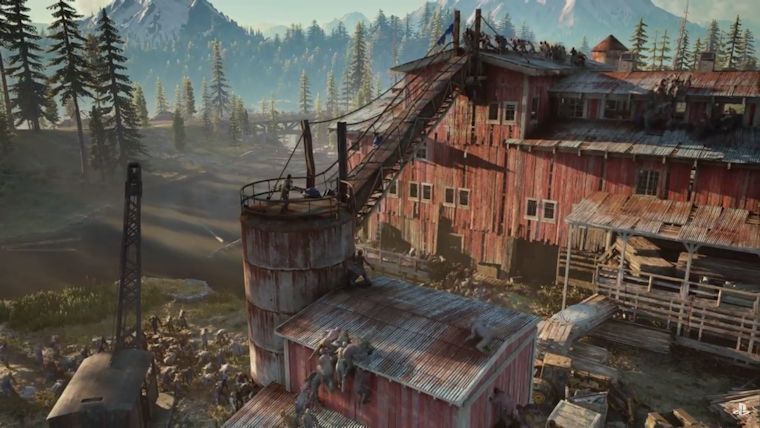
Despite having an interesting trailer early on in the show, Sony Bend's Days Gone was a poor show closer. It looks to be a post-apocalyptic shooter without a real hook, and there was really nothing that stood out. Hopefully the game will turn out to be something special, but this gameplay demo just looked like a generic shooter with zombie mutants.
-
Poor Communication
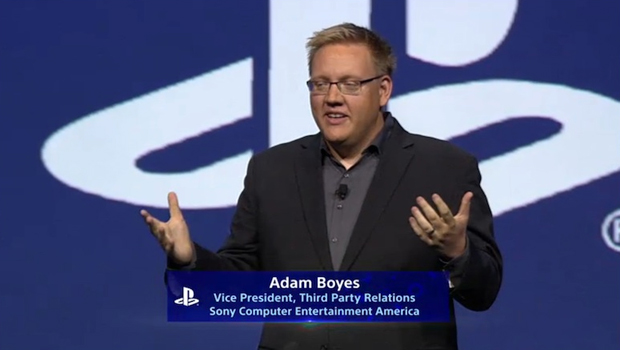
Sony took a cue from Phil Spencer's playbook, and made the focus all about games this E3. That's a surefire way to have a solid press conference (and it's why Microsoft has had good ones the past two years), but Sony didn't have enough people discussing the games being shown off. Not only does this mean that gamers get less information on big games, it also led to confusion as the PlayStation VR block transitioned right into Call of Duty: Infinite Warfare without anyone stating that the VR portion was over.
-
Missing

The two big announcements last year were that Shenmue 3 and Final Fantasy VII Remake were finally happening after heavy fan demand (at least for the latter). This year, both of these titles were completely absent from the press conference. That's incredibly disappointing, and considering one of the announcements last year was for a Kickstarter of all things, it'd be nice to get an update.
-
2017 & Beyond
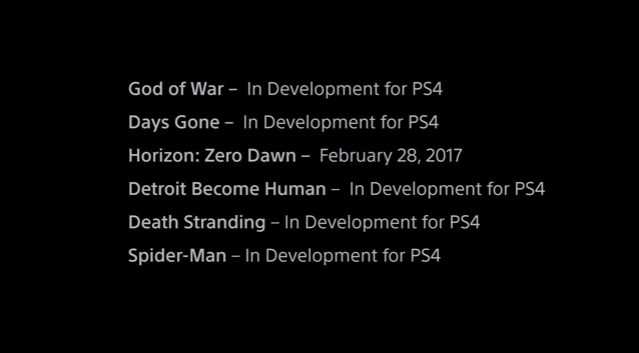
After a sizzle reel showing off a bunch of great PS4 games that weren't shown off (like Gravity Rush 2), the press conference ended with this screen. It was basically a reminder that Sony doesn't have a ton planned for this holiday season in terms of first-party games (just like last year). While I get why Sony wouldn't want to give a year for something so early in development like Death Stranding, it's disappointing to see a gameplay demo of God of War and not even know if it's coming in 2017.
-
More Vaporware
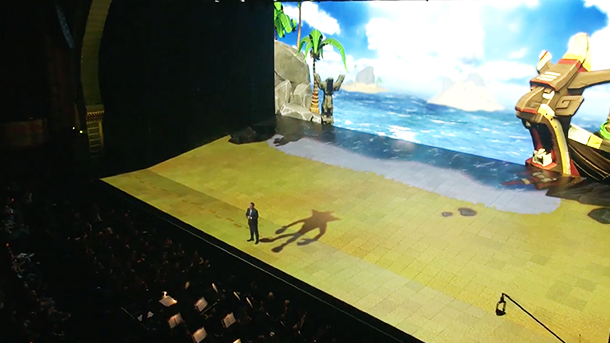
One of PlayStation's bad habits as of late has been announcing games before there's really a game to show off. We've seen crowdfunding campaigns announced (twice!), and it's time to stop announcing games if there's not even a trailer. The latest culprit was the Crash Bandicoot remakes, which are being done by Activision. I'm hopeful these remakes will turn out well, but there's no reason to get excited when there's nothing to go off of.
-
LEGO Star Wars, Seriously?
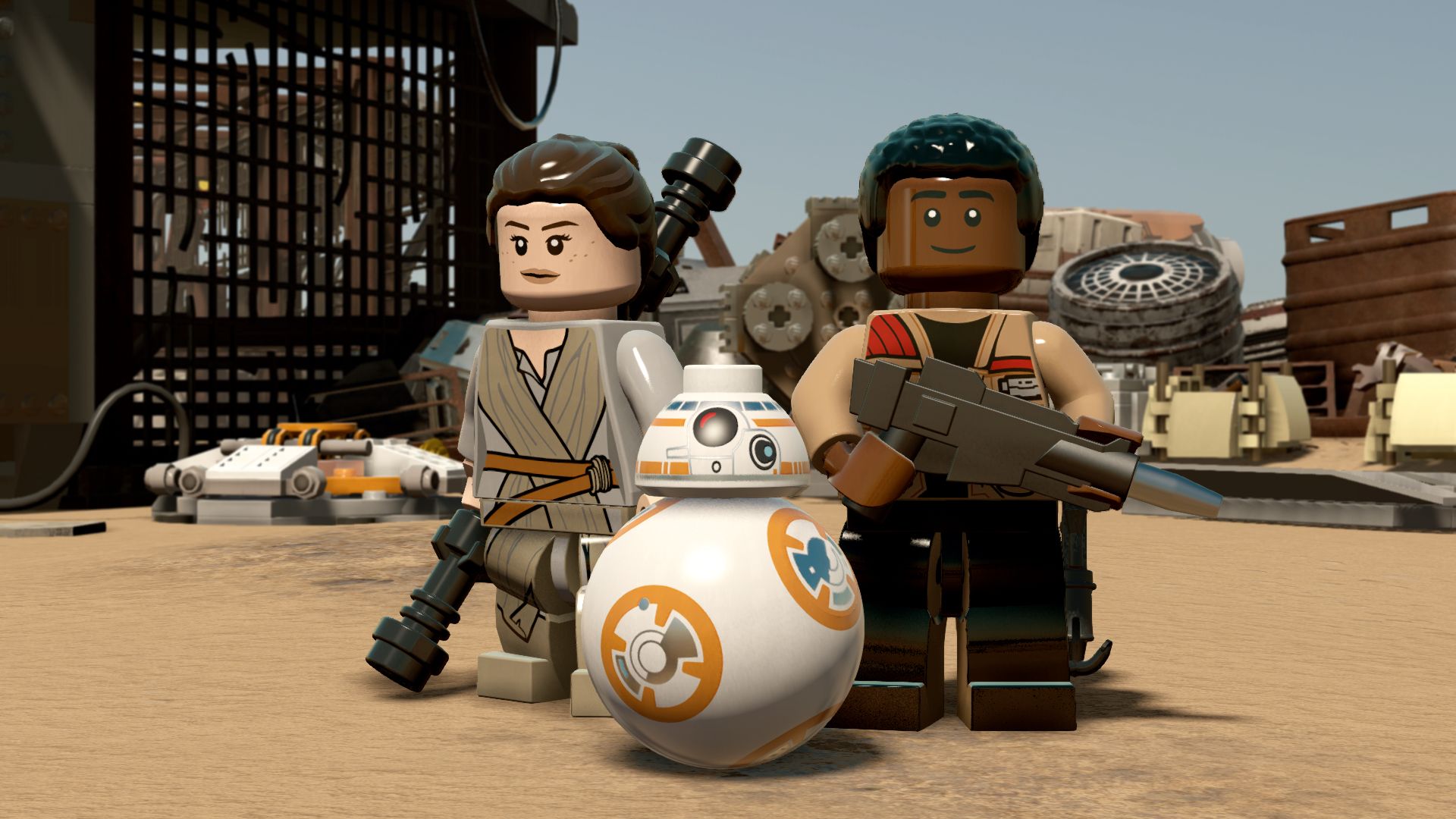
The most baffling moment during Sony's press conference was when they showed off a trailer for a new LEGO game. Yes, the same LEGO games that haven't evolved in a gameplay capacity since the PlayStation 2 somehow got press conference time. I really don't get it (especially since the trailer was unspectacular), and it was filler at best.
-
No Sucker Punch

Rumors were abuzz about Sucker Punch unveiling their next game at E3 2016. That didn't happen, although the rumors about a Spider-Man game were true albeit developed by Insomniac. It seems like we'll all have to wait a bit longer to know about the inFamous developer's next game.
-
Where Were The Indies?

One of the great things about recent Sony E3 conferences is that indie titles have gotten time to shine on gaming's biggest stage. That wasn't the case this year, as indie games were barely shown off. It's a far cry from last year where publisher Devolver Digital got an entire sizzle reel for their line-up of games, and No Man's Sky got a gameplay demo.
-
RIP Vita
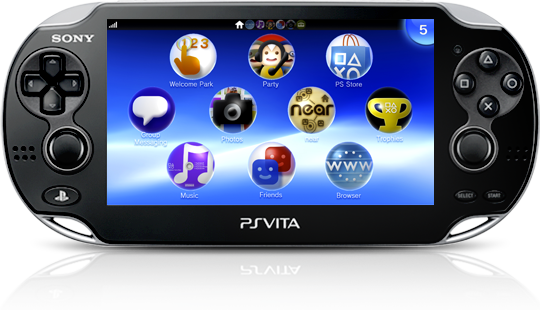
The PlayStation Vita got about 6 seconds of conference time last year. This year the console wasn't mentioned a single time besides a copyright at the very end of the show. Talk about another nail in the coffin for a handheld that could've been so much better than it has.
-
PSVR
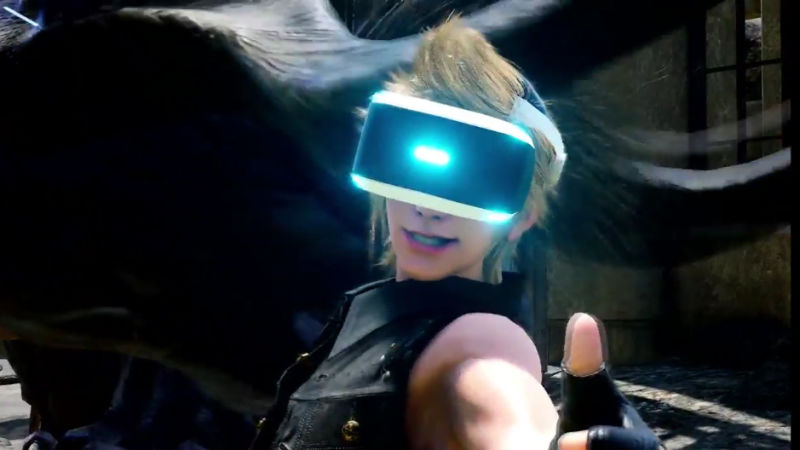
By far the biggest disappointment was how poorly a job Sony did trying to sell PlayStation VR. Despite the device coming out this October, most of what was shown were dubbed as "experiences," and not full games. Tech demos really aren't the best way to show off how rad Virtual Reality is, and one of the few games that were shown (Resident Evil 7) received a non-VR demo immediately afterwards basically signalling to players that they don't need virtual reality to play it. That's a poor showing for what is supposed to be the future of gaming.