Note: This opinion piece reflects the views of the author and not PlayStation LifeStyle as a whole.
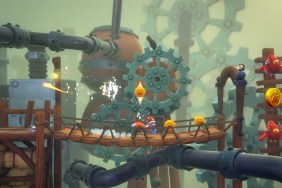
I love JRPGs (Japanese Role-Playing Games). I sunk hundreds of hours into Pokémon and Final Fantasy series as a kid, and I loved everything about the genre. I got to experience interesting new worlds filled with interesting characters. I built a party of warriors and watched as their skills in combat improved over time as they also grew as individuals outside of fighting. Deep storylines, top notch graphics and gameplay that was ever evolving. How could I not love the genre?
Sadly, as a fan of the genre I have to recognize that it hasn’t exactly been firing on all cylinders as of late. While RPGs like The Witcher and Divinity have shown me that these interesting worlds still exist, it’s been quite some time since a Japanese one has. I love JRPGs, but the genre as a whole has grown stagnant and in some cases games are regressing. It’s time for change.
Identifying The Problem
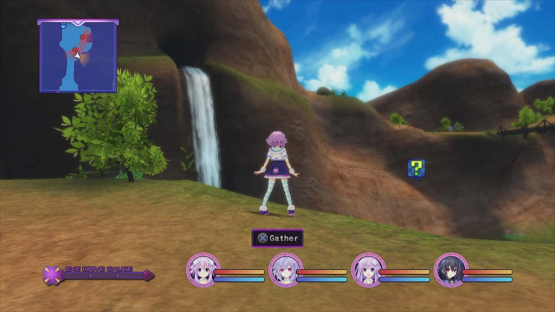
Before the genre can change for the better, some core issues need to be identified. One of the biggest issues that plague JRPGs is that they are basically the only modern games that rely on save points anymore. That needs to go. Save points aren’t included because they enhance the gameplay experience, they’re only there because that’s the way it has always been. That is terrible reasoning and it encapsulates the problem with so many JRPGs: they are living in the past.
Save points only prove to frustrate in 2016. In countless JRPGs I’ve spent hours levelling up my characters, only to die and find out that my party is back where they started. That doesn’t add any extra challenge, it only adds frustration. The genre needs to embrace auto-saving like every single other game and save points need to die.
Another major issue is grinding. JRPGs love to boast how they are 50-60 hours long, but how many hours are actually meaningful? I often find myself forced to kill meaningless random enemies for hours on end in order to improve my characters just so I can continue to advance the story. That sucks. There isn’t anything fun about grinding, and JRPGs need to become shorter more curated experiences. Most role playing games are already lengthy without all of this needless fluff and there’s really no reason to extend it further.
Let’s Get Technical
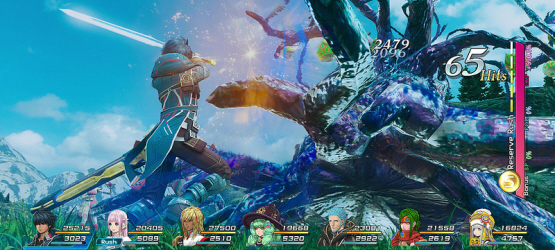
JRPGs used to be some of the most gorgeous games available. I remember marvelling at the cutscenes in Final Fantasy VIII, and being blown away by how good JRPGs looked in general. I wasn’t simply playing a game, I was being transported to a marvelous world filled with magic. Nowadays, most JRPGs look like they are a generation behind graphically.
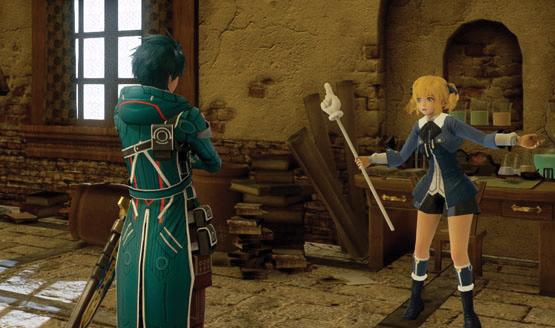
One of my complaints with the Hyperdimension Neptunia series was how the games always looked like a bad PS2 game that was up-resed. I’m seeing this become the norm within the genre instead of an aberration. Look at recent high profile JRPG releases like Star Ocean V and Nights of Azure. Both games are graphically underwhelming and are largely given a pass by the genre’s fan-base. That is ridiculous and with that attitude Japanese role playing games will never improve since they don’t have to.
There’s also a lot of jank technically in a lot of modern RPGs. When I played Xenoblade Chronicles X last year, I constantly went from being impressed to wondering how such a gorgeous game could look so bad. I would come across textures that looked like they were made for an original PlayStation game, and for some reason my character could walk right through cars as if they didn’t exist. This only serves to break the illusion, and it takes me out of the world that the developer is trying to soak me in. These hiccups (like Star Ocean‘s terrible camera) wouldn’t be accepted anywhere else, yet once again I see fans arguing that there isn’t a problem. As someone who cares, that’s a bummer.
Telling Stories
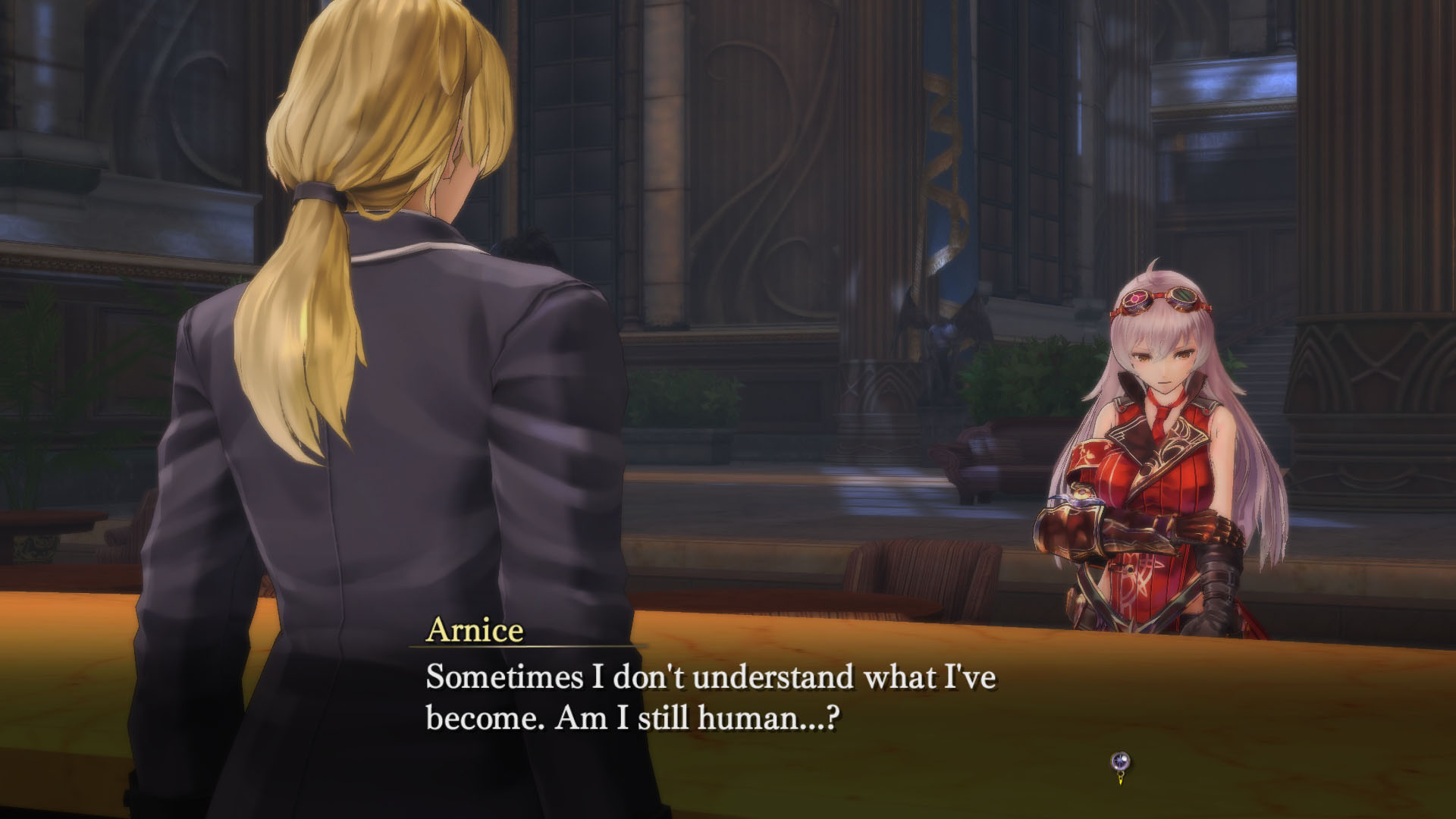
The reason why I loved JRPGs was that they often told the best stories in gaming. That is rarely the case anymore, as more and more fall upon generic tropes and I often feel like I’ve already played the game before I finished them. Why do half of the protagonists in JRPGs suffer from amnesia? Is it that difficult to come up with a different framing device for a narrative? Why do so many role playing game characters have zero depth to them and feel like a stereotype anymore?
Modern JRPGs need to go back to telling meaningful stories again. Stories that are original. Ones where I’m on the edge of my seat needing to know what happens next. Storytelling is the heart and soul of RPGs, so I can only hope that developers will focus more on them in the future. Crazy twists aren’t even needed, just logical stories that have me rooting for the good guys as they accomplish something meaningful.
Past, Present and Future
No other genre has its past celebrated over its present as much as JRPGs. Ask somebody what they think the best JRPG is and they’ll often answer Chrono Trigger or Final Fantasy VI. If you’re lucky, you might even hear someone mention a game from the PS2 era such as Persona 4. What won’t be mentioned is a PlayStation 3 or 4 game. While the genre has flourished on handhelds in the past decade, it’s fading into obscurity on consoles.
First-person shooter fans won’t argue that the original Half-Life is the epitome of the genre, nor do they romanticize when they couldn’t look up or down in Doom. That’s because the FPS has evolved. I sincerely hope that we’ll get to a time when Chrono Trigger is no longer held up as the best that JRPGs have to offer, and when Persona 4 is simply just a good example in the genre instead of one of the best.
High profile releases such as Final Fantasy XV and Persona 5 will have an opportunity to give the genre a spotlight again. Hopefully they’ll be able to live up to the hype and wow gamers. It’ll mean nothing if they aren’t followed up meaningfully, though. The genre as a whole needs to improve, so hopefully developers will spend time modernizing and making sure that modern JRPGs become must play video games again. It can be done.
Essential Reading:
- I Am Setsuna Review – Gentle Heartbreak (PS4)
- Clearing up the Confusion With Review Copies of Games
- Best Retail PS4 Games of the First Half of 2016
Disappointments From Sony's E3 2016 Press Conference
-
10 Disappointments From Sony's E3 2016 Press Conference
-
Ended Weak
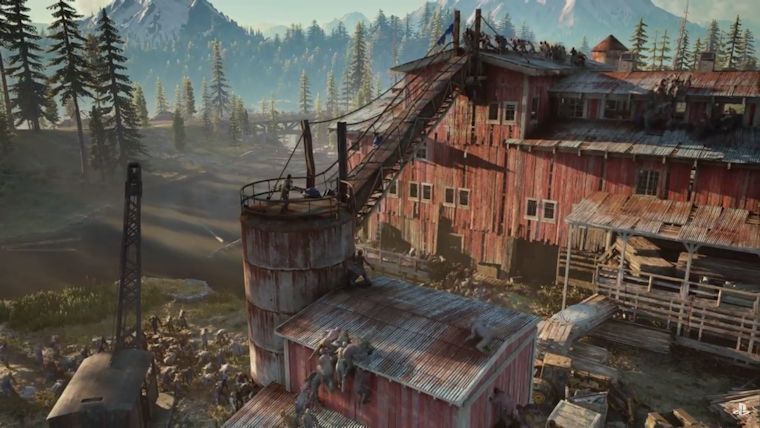
Despite having an interesting trailer early on in the show, Sony Bend's Days Gone was a poor show closer. It looks to be a post-apocalyptic shooter without a real hook, and there was really nothing that stood out. Hopefully the game will turn out to be something special, but this gameplay demo just looked like a generic shooter with zombie mutants.
-
Poor Communication
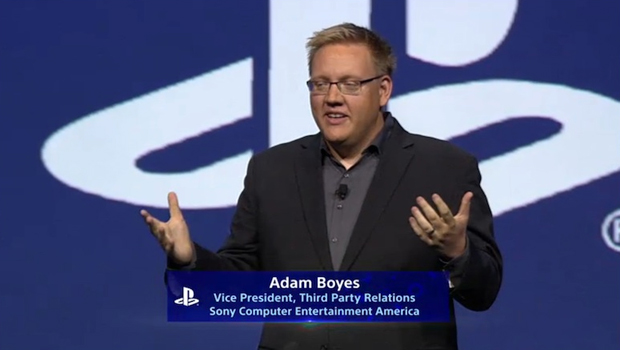
Sony took a cue from Phil Spencer's playbook, and made the focus all about games this E3. That's a surefire way to have a solid press conference (and it's why Microsoft has had good ones the past two years), but Sony didn't have enough people discussing the games being shown off. Not only does this mean that gamers get less information on big games, it also led to confusion as the PlayStation VR block transitioned right into Call of Duty: Infinite Warfare without anyone stating that the VR portion was over.
-
Missing

The two big announcements last year were that Shenmue 3 and Final Fantasy VII Remake were finally happening after heavy fan demand (at least for the latter). This year, both of these titles were completely absent from the press conference. That's incredibly disappointing, and considering one of the announcements last year was for a Kickstarter of all things, it'd be nice to get an update.
-
2017 & Beyond
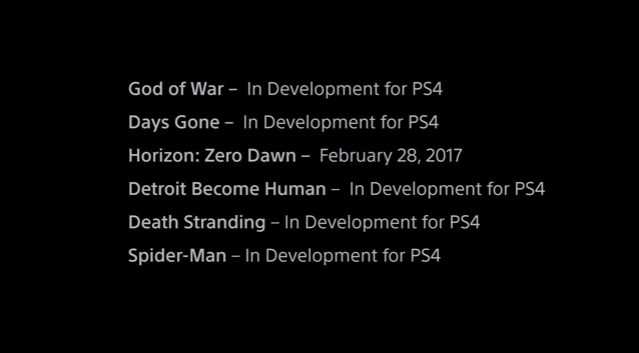
After a sizzle reel showing off a bunch of great PS4 games that weren't shown off (like Gravity Rush 2), the press conference ended with this screen. It was basically a reminder that Sony doesn't have a ton planned for this holiday season in terms of first-party games (just like last year). While I get why Sony wouldn't want to give a year for something so early in development like Death Stranding, it's disappointing to see a gameplay demo of God of War and not even know if it's coming in 2017.
-
More Vaporware
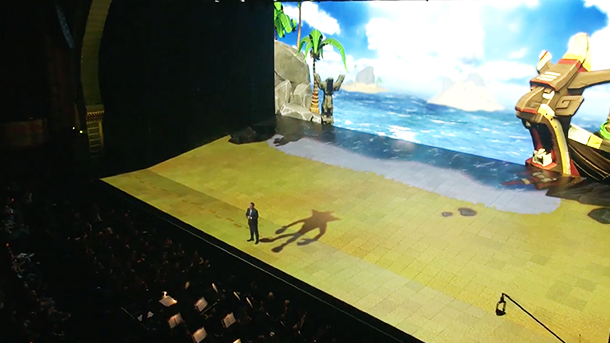
One of PlayStation's bad habits as of late has been announcing games before there's really a game to show off. We've seen crowdfunding campaigns announced (twice!), and it's time to stop announcing games if there's not even a trailer. The latest culprit was the Crash Bandicoot remakes, which are being done by Activision. I'm hopeful these remakes will turn out well, but there's no reason to get excited when there's nothing to go off of.
-
LEGO Star Wars, Seriously?
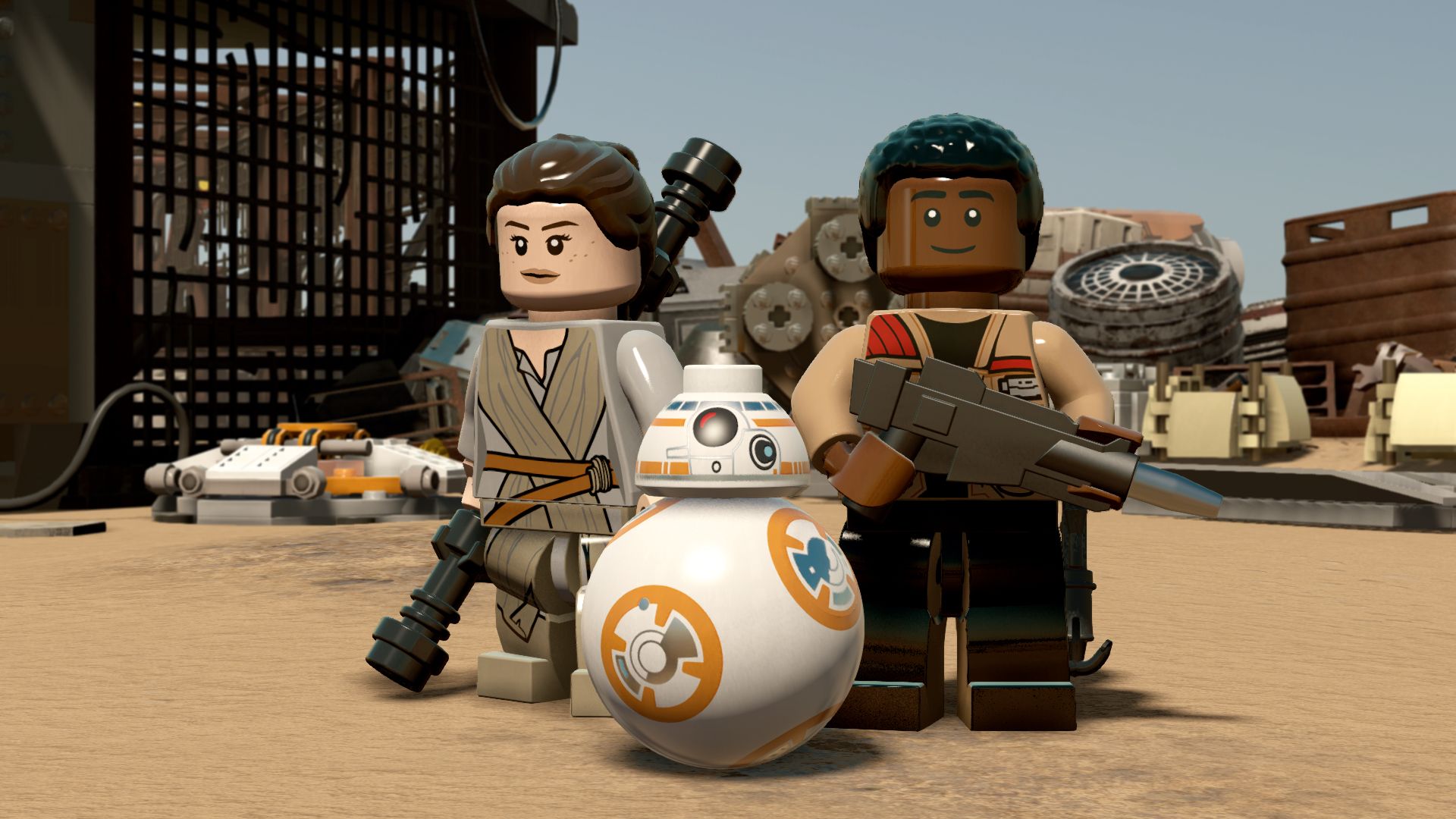
The most baffling moment during Sony's press conference was when they showed off a trailer for a new LEGO game. Yes, the same LEGO games that haven't evolved in a gameplay capacity since the PlayStation 2 somehow got press conference time. I really don't get it (especially since the trailer was unspectacular), and it was filler at best.
-
No Sucker Punch

Rumors were abuzz about Sucker Punch unveiling their next game at E3 2016. That didn't happen, although the rumors about a Spider-Man game were true albeit developed by Insomniac. It seems like we'll all have to wait a bit longer to know about the inFamous developer's next game.
-
Where Were The Indies?
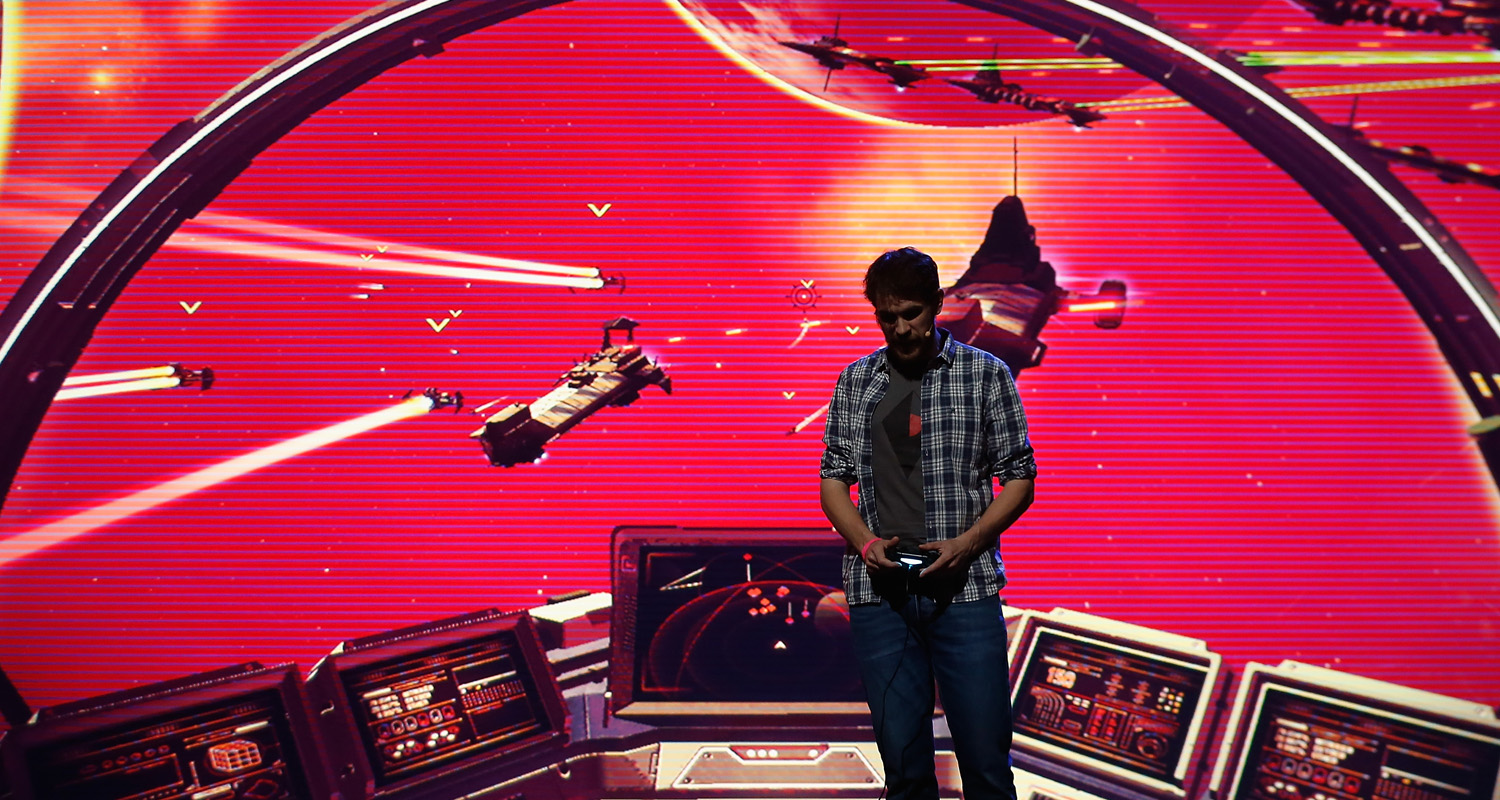
One of the great things about recent Sony E3 conferences is that indie titles have gotten time to shine on gaming's biggest stage. That wasn't the case this year, as indie games were barely shown off. It's a far cry from last year where publisher Devolver Digital got an entire sizzle reel for their line-up of games, and No Man's Sky got a gameplay demo.
-
RIP Vita
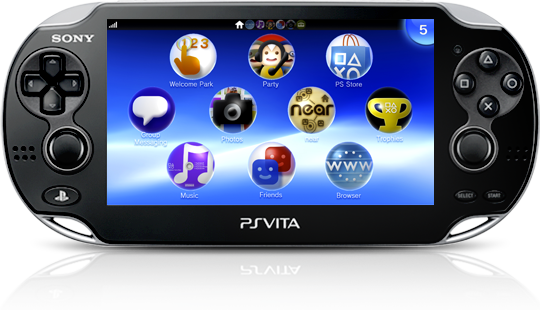
The PlayStation Vita got about 6 seconds of conference time last year. This year the console wasn't mentioned a single time besides a copyright at the very end of the show. Talk about another nail in the coffin for a handheld that could've been so much better than it has.
-
PSVR
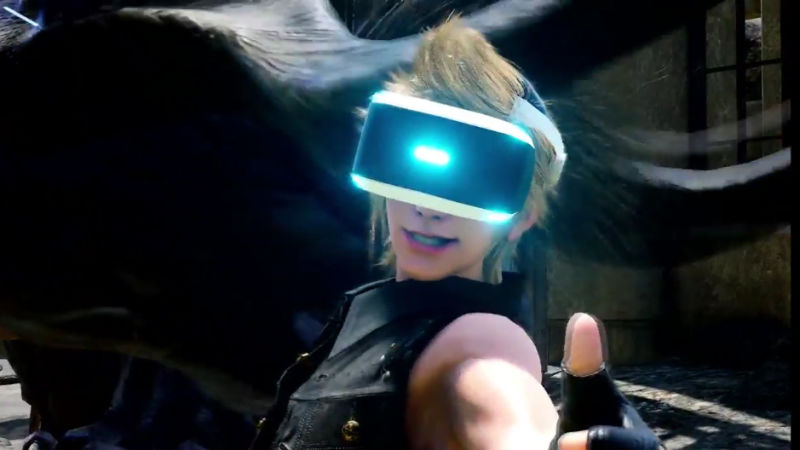
By far the biggest disappointment was how poorly a job Sony did trying to sell PlayStation VR. Despite the device coming out this October, most of what was shown were dubbed as "experiences," and not full games. Tech demos really aren't the best way to show off how rad Virtual Reality is, and one of the few games that were shown (Resident Evil 7) received a non-VR demo immediately afterwards basically signalling to players that they don't need virtual reality to play it. That's a poor showing for what is supposed to be the future of gaming.