Note: This opinion piece reflects the views of the author and not PlayStation LifeStyle as a whole.
Over time it’s only natural for a video game fan to begin to feel a connection or attachment to a game publisher or developer. After all, if a company continually puts out something I enjoy why wouldn’t I come back for more? It’s important for companies to build a relationship with their consumers, and it’s why we’re seeing this become more common today. People love to feel like they are a part of something bigger than themselves, that they are part of a greater movement. That can become dangerous.
The issue arises when this loyalty becomes blinding. Some consumers will then feel obligated to purchase everything that a publisher puts out. Their reasoning is that even if they don’t like what is coming out now, they’ll probably enjoy the next thing. Plus, they want to help a company that provided them joy before. This kind of optimism is beautiful in its naiveté, but it’s even more troubling.
Bigger Than Gaming
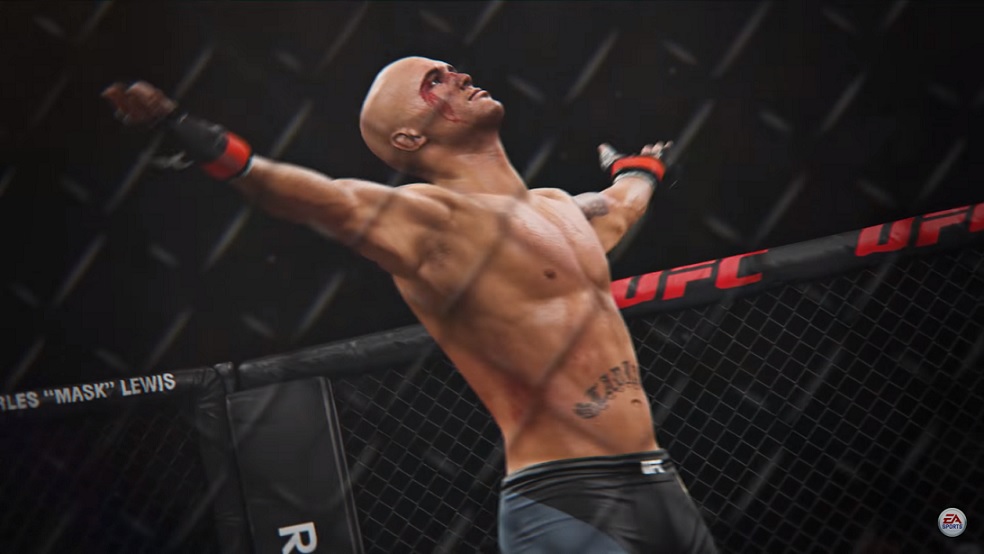
Brand loyalty isn’t an issue unique to gaming, and it’s one that I’ve even fallen for in the past. The sport of mixed martial arts, much like video games, was once ostracized by the mainstream. This led fans, myself included, to believe that they had to support the fledgling sport in order for it to succeed. This meant plopping down $49.95 on sub-par pay-per-view events with reassurances to myself that it was worth it. After all, if I purchased the event, it would mean that a sport close to my heart become better, that fighters would get paid more, and I’d get to see a better product at the end of the day.
That wasn’t the case. Fighters are still underpaid for their work and are subject to awful treatment. The sport has been hurt by oversaturation and cards have been watered down as a result. Oh, and the former owners of the Ultimate Fighting Championship just sold their organization for over four billion dollars. My misguided support only helped the bottom line of the financial elite, not the sport itself.
The point I’m getting at, is that I stupidly purchased products that I felt like I should’ve been supporting instead of products that deserved my money. That’s exactly how a consumer hurts the industry they love, despite their best attempts at helping it. Being a fan is awesome, but not when it has real repercussions and allows companies to play consumers like a damn fiddle.
Make Companies Earn Your Money
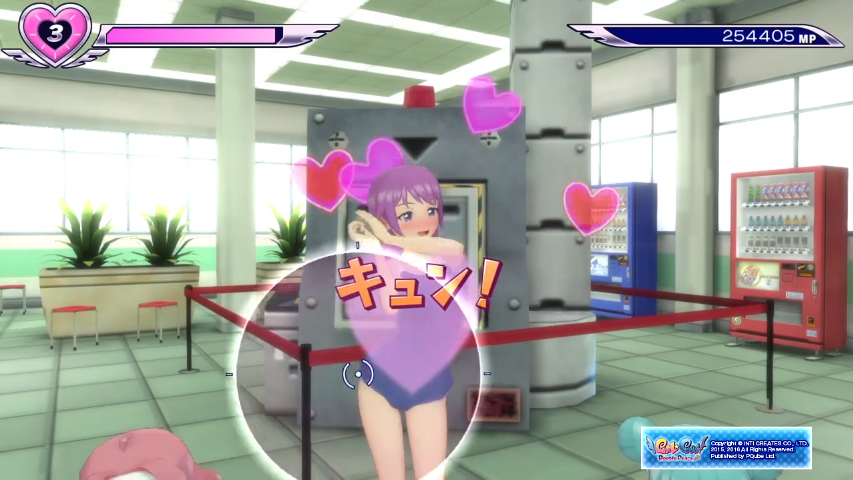
Look no further than the comment section on any review of a niche game to see this attitude in action. Gamers will regularly pledge to support a game that they claim to not have an interest in only to support the cause of localization or to help a company. This could be construed as a noble endeavor in 1995, when great games regularly stayed in Japan, but that just isn’t the case anymore. In fact, trying “support” a developer is the absolute worst reason to buy a game.
It’s really quite simple. It all comes down to it being a company’s job to earn the money of consumers, not vice versa. A game publisher should be putting out games that appeal to their fanbase, not games that they buy out of an illogical obligation. For example, I have loved the work that Aksys Games have done in the past and Zero Escape is one of my favorite series. They recently put out Langrisser Re:Incarnation Tensei on Nintendo 3DS, an absolutely dreadful strategy role-playing game. Why would I support their poor decision to localize it?
Supporting terrible products will only lead to additional poor decisions by publishers. It sends the message that quality doesn’t matter, and only the name on the box does. At the end of the day, bad games deserve to fail. It sucks (since even a train wreck like Homefront: The Revolution has had more work put into it than you would ever know), but it’s a reality that needs to exist if the medium is going to get better.
Is There An Issue If Everyone Is Happy?
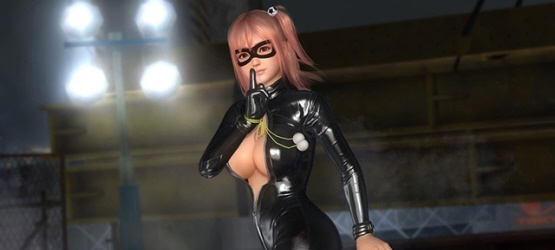
This attitude of supporting developers also leads to consumers getting sucked dry via microtransactions, albeit voluntarily. Take a look at almost any fighting game, and you’ll see page after page of downloadable content. Now, ultimately it’s the consumer’s choice if they want to spend several hundred dollars on Dead or Alive 5 costumes, but how is that even a feasible choice to begin with? Shockingly, all of that DLC being sold didn’t lead to Dead or Alive Xtreme 3 being localized, so there goes that support theory.
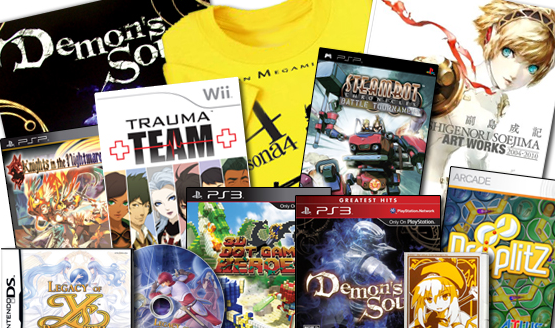
In fact, fans of niche games often jump at the opportunity to be exploited by a publisher. Just take a look at the infamous “Atlus tax” where their Nintendo 3DS games are often 10 dollars more expensive since they include a few dollars worth of merchandise. This does raise an important question: if fans are happy to be used in this capacity, is it even an issue? I would argue yes, but I don’t blame publishers for making an easy buck here. This is a business after all, and niche publishers have been smart enough to turn what used to be an enticing freebie to something they can profit off.
These niche publishers have already found brilliant ways to monetize their small group of fans with extravagantly pricy special editions (sold exclusively on their online stores so they get a larger cut). It isn’t your problem as a consumer to be worried about their survival. They’ll be fine as they already have their fans largely figured out. Perhaps to the point where their fanbase looks like a sucker more often than not.
You’re Not A Stock Holder, Stop Acting Like It
The last thing I want to address is fans feeling like a company’s victory is theirs. This is a common phenomena in sports, as the entire culture is built around people feeling pride in the accomplishments of others. That’s fine, but it grows incredibly toxic when people start to feel superior for backing the winning side. This is why gaming is filled with fanboys who treat company’s successes as their own.
Here’s the thing: the success of others are not your failures, but they sure as hell aren’t your successes either. The gaming community would be so much more welcoming and friendly if gamers stopped acting as if they were stockholders. You don’t gain anything other than my pity by flying Sony’s flag for them, and calling yourself a member of the #PlayStationNation in your Twitter bio. Enjoy being a consumer without the stresses of being part of a business, it’s better that way. Trust me.
Gaming still largely holds an inferiority complex despite being one of the most popular forms of entertainment in the world. It’s understandable, but gaming is no longer something that only self-identified nerds do, nor is it something to be mocked. Everyone plays games, and this stopped being a simple hobby a long time ago. Gaming is a business and you shouldn’t forget it.
Essential Reading:
- Clearing up the Confusion With Review Copies of Games
- 10 Weird Vita Games Worth Playing
- Game of the Year Contenders for the First Half of 2016
Disappointments From Sony's E3 2016 Press Conference
-
10 Disappointments From Sony's E3 2016 Press Conference
-
Ended Weak
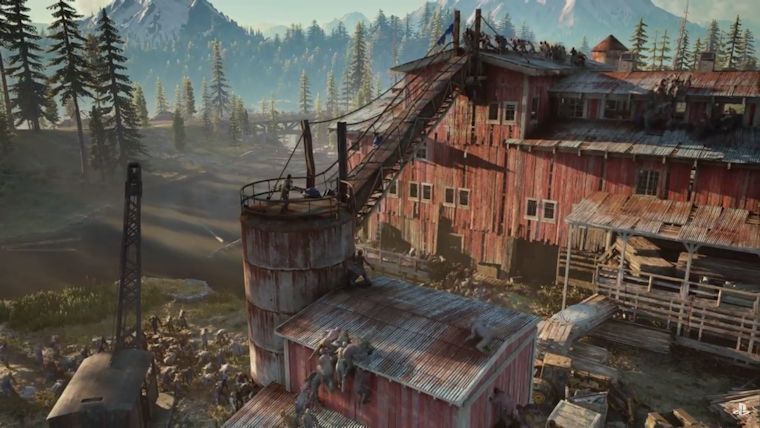
Despite having an interesting trailer early on in the show, Sony Bend's Days Gone was a poor show closer. It looks to be a post-apocalyptic shooter without a real hook, and there was really nothing that stood out. Hopefully the game will turn out to be something special, but this gameplay demo just looked like a generic shooter with zombie mutants.
-
Poor Communication
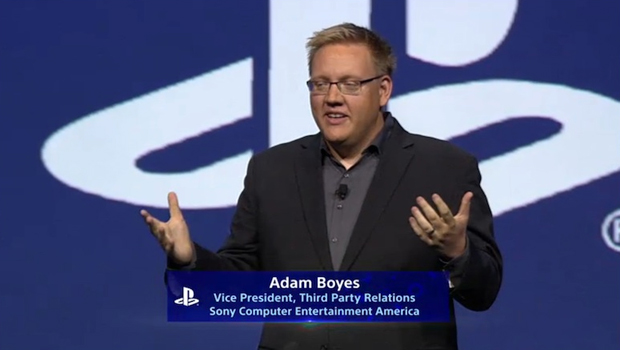
Sony took a cue from Phil Spencer's playbook, and made the focus all about games this E3. That's a surefire way to have a solid press conference (and it's why Microsoft has had good ones the past two years), but Sony didn't have enough people discussing the games being shown off. Not only does this mean that gamers get less information on big games, it also led to confusion as the PlayStation VR block transitioned right into Call of Duty: Infinite Warfare without anyone stating that the VR portion was over.
-
Missing

The two big announcements last year were that Shenmue 3 and Final Fantasy VII Remake were finally happening after heavy fan demand (at least for the latter). This year, both of these titles were completely absent from the press conference. That's incredibly disappointing, and considering one of the announcements last year was for a Kickstarter of all things, it'd be nice to get an update.
-
2017 & Beyond
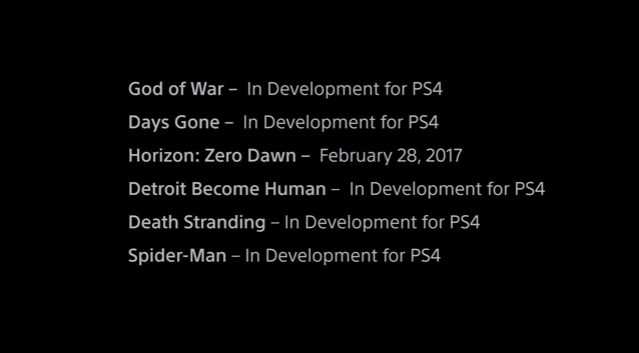
After a sizzle reel showing off a bunch of great PS4 games that weren't shown off (like Gravity Rush 2), the press conference ended with this screen. It was basically a reminder that Sony doesn't have a ton planned for this holiday season in terms of first-party games (just like last year). While I get why Sony wouldn't want to give a year for something so early in development like Death Stranding, it's disappointing to see a gameplay demo of God of War and not even know if it's coming in 2017.
-
More Vaporware
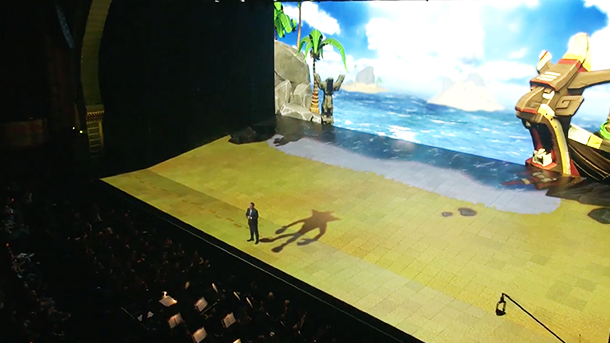
One of PlayStation's bad habits as of late has been announcing games before there's really a game to show off. We've seen crowdfunding campaigns announced (twice!), and it's time to stop announcing games if there's not even a trailer. The latest culprit was the Crash Bandicoot remakes, which are being done by Activision. I'm hopeful these remakes will turn out well, but there's no reason to get excited when there's nothing to go off of.
-
LEGO Star Wars, Seriously?
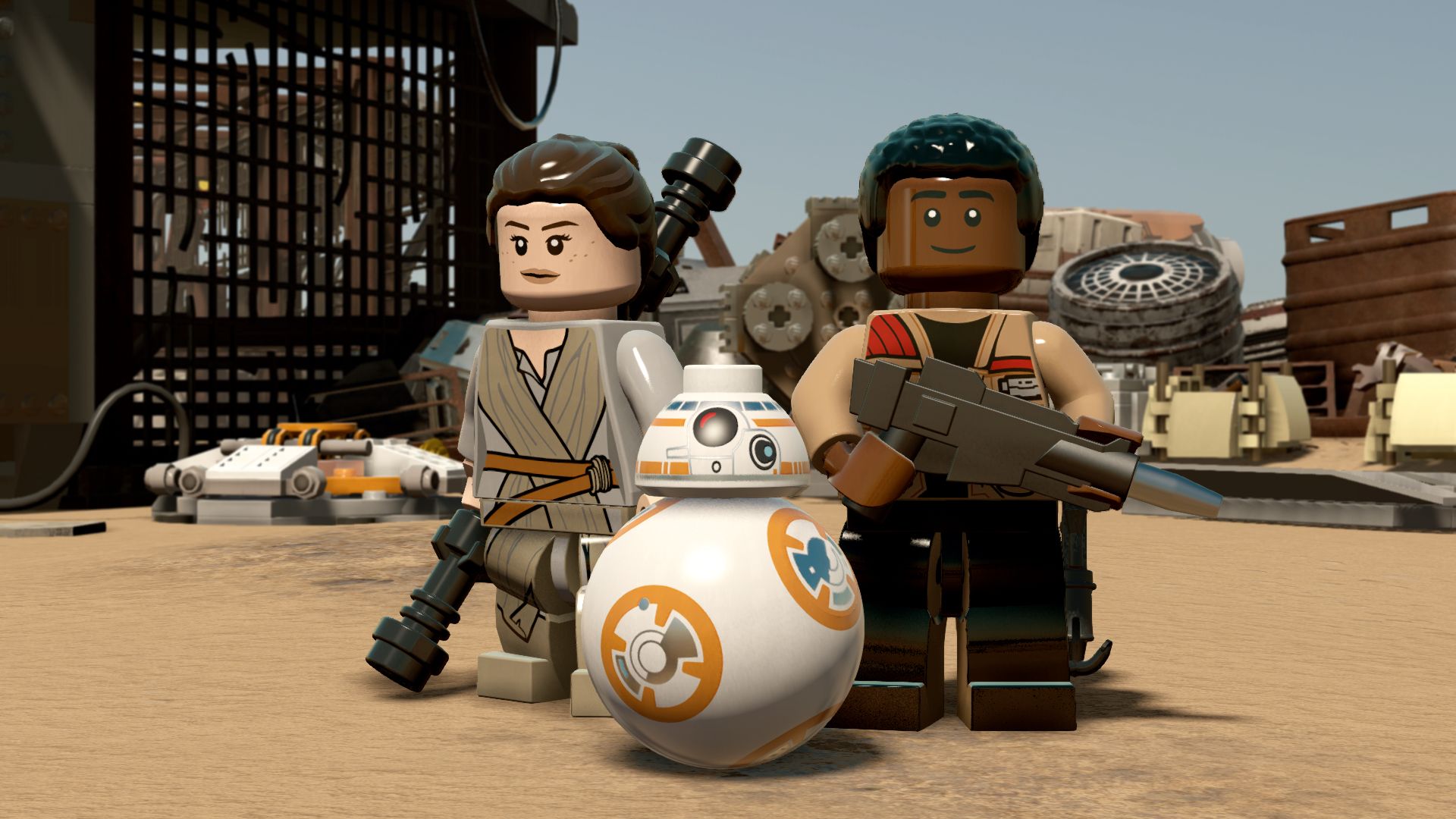
The most baffling moment during Sony's press conference was when they showed off a trailer for a new LEGO game. Yes, the same LEGO games that haven't evolved in a gameplay capacity since the PlayStation 2 somehow got press conference time. I really don't get it (especially since the trailer was unspectacular), and it was filler at best.
-
No Sucker Punch

Rumors were abuzz about Sucker Punch unveiling their next game at E3 2016. That didn't happen, although the rumors about a Spider-Man game were true albeit developed by Insomniac. It seems like we'll all have to wait a bit longer to know about the inFamous developer's next game.
-
Where Were The Indies?
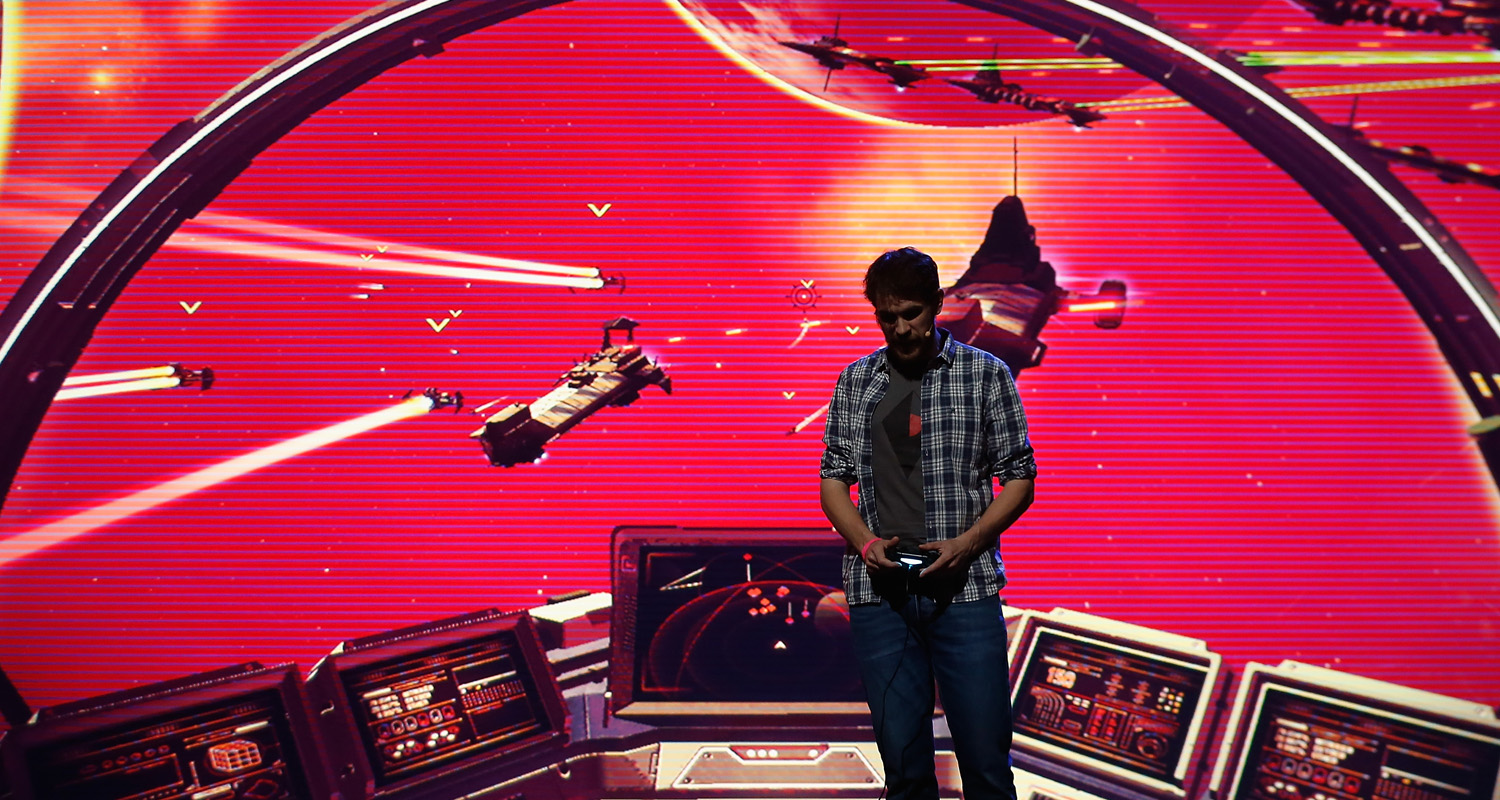
One of the great things about recent Sony E3 conferences is that indie titles have gotten time to shine on gaming's biggest stage. That wasn't the case this year, as indie games were barely shown off. It's a far cry from last year where publisher Devolver Digital got an entire sizzle reel for their line-up of games, and No Man's Sky got a gameplay demo.
-
RIP Vita
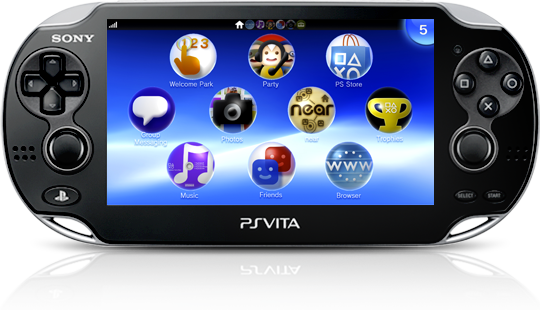
The PlayStation Vita got about 6 seconds of conference time last year. This year the console wasn't mentioned a single time besides a copyright at the very end of the show. Talk about another nail in the coffin for a handheld that could've been so much better than it has.
-
PSVR
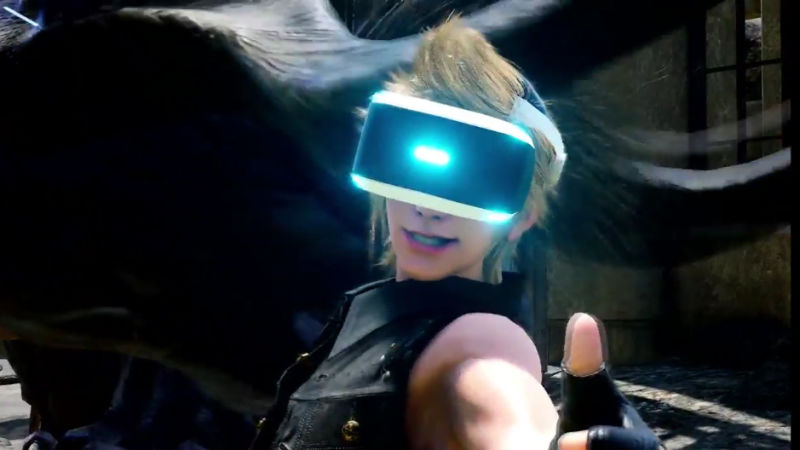
By far the biggest disappointment was how poorly a job Sony did trying to sell PlayStation VR. Despite the device coming out this October, most of what was shown were dubbed as "experiences," and not full games. Tech demos really aren't the best way to show off how rad Virtual Reality is, and one of the few games that were shown (Resident Evil 7) received a non-VR demo immediately afterwards basically signalling to players that they don't need virtual reality to play it. That's a poor showing for what is supposed to be the future of gaming.