Few gaming franchises have been as influential as Capcom’s Resident Evil. The series managed to define the survival horror genre two decades ago when the PlayStation classic released on March 22, 1996. Now the Resident Evil 20th anniversary is upon us, and the series has branched out to many genres. We’ve decided to take a look back on the influential series’ past 20 years, and what will come in the future.
A Brief History of Resident Evil
In 1996, Capcom released Resident Evil on PlayStation. Not only was the first game directed by the legendary Shinji Mikami well received by both critics and fans, it ended up defining an entire genre. The survival horror title was highly innovative at the time with its inventory management, pre-rendered backgrounds, and exploration being highly praised. These are all elements that would be used repeatedly in the series, and are still largely present today.
After the runaway success of the original game, Capcom soon started working on the sequel. While Resident Evil 2 released a mere two years after the first game, development was anything but smooth sailing. Shinji Mikami, who was working on the heavily anticipated sequel as producer, often butted heads with new director Hideki Kamiya. In fact, development was so rocky that the game, which fans now refer to as Resident Evil 1.5, was entirely scrapped after a year and a half of work in order to go with a new scenario.
Kamiya would later reflect on development, while talking to Nintendo’s Satoru Iwata. “I was making decisions without vision,” said the Bayonetta creator, who treated the initial failure as an opportunity to learn. Hideki Kamiya, and his team, would then go on to create the Resident Evil 2 that fans know today. One that is largely believed to be the greatest survival horror game ever made.
Capcom would once again use the same engine for its final mainline Resident Evil game on PlayStation. Resident Evil 3: Nemesis, which was directed by Kazuhiro Aoyama, ended up taking some risks that have left it less beloved than the other games in the original trilogy. Fans were mixed on the implementation of Nemesis, the game’s antagonist who constantly chases players through the game, and more of a focus on action over exploration.
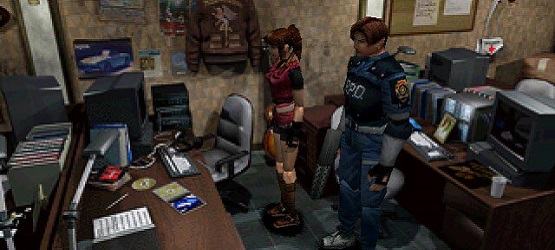
Thanks to the success of the first three games, Resident Evil quickly became one of Capcom’s biggest franchises. This led to a number of spin-offs that both retained the game’s core gameplay, and branched out into different genres. Three separate light gun shooters released on PlayStation consoles, including Resident Evil Survivor in 2000 and Resident Evil: Dead Aim in 2003. The series even went online with cooperative play with the Resident Evil Outbreak series that ended up being too ambitious for its own good.
By 2005, the series had gone from the next big thing in gaming to feeling dated. Games like Resident Evil Code: Veronica X and Resident Evil Zero failed to innovate, and it was time for the series to be shaken up. This happened in a huge way as Shinji Mikami came back to direct Resident Evil 4. Mikami took the series that he had helped create into a bold new direction. The slow, methodical gameplay was thrown out the window for a new action-oriented approach as the game got rid of pre-rendered backgrounds in its transition to an over the should view.
The changes ended up working better than anyone could have hoped, as Resident Evil 4 not only gave the series new life, but helped influence a generation of action games. Some fans didn’t like the new direction of the series, but even detractors can’t deny that Mikami directed an incredible game.
It would be four years until Capcom released a follow-up to their most influential release since the original Resident Evil, and understandably expectations for Resident Evil 5 were astronomically high. Depending on who you ask, Resident Evil 5 was either a solid sequel that built upon the solid base of 4, or an underwhelming follow-up that didn’t manage to wow gamers. Either way, it didn’t present the next great innovation for the franchise, and Resident Evil needed to decide if it was an action game or survival horror.
The most recent mainline game in the series is 2012’s Resident Evil 6. Largely considered a disappointment, it tried to find a balance for fans of both genres by offering up multiple campaigns. Sadly, that ended up creating several mediocre stories that never managed to successfully come together. It was a classic example of a series trying to find its identity, and failing to do so.
Gameography
The Future
While Capcom works on figuring out what direction to take the Resident Evil franchise, they’ve been porting and remaking plenty of past games in the series. Next up is a full-fledged remake of Resident Evil 2, which is one of the most beloved games in the entire franchise. If it’s successful, then survival horror may end up becoming the series’ forte once again.
If not, we can expect to see more action-oriented titles like the upcoming Umbrella Corps. The Capcom Osaka developed multiplayer-based shooter looks to take its action to the next level. We’ll find out whether or not it ends up achieving that goal later this year, but fan anticipation has been sparse so far.
Even if you’re not hopeful for Resident Evil‘s future, you should still be able to enjoy the Resident Evil 20th anniversary. While not every release has been spectacular, the series has been able to reinvent itself several times over the past two decades. Reaching the apex of both action games, and survival horror. Few developers can claim to do that, let alone a single series. It’s been a very interesting 20 years, and we’re looking forward to 20 more.
Related Reading:
- 10 Games That Are Scary for the Wrong Reasons
- 7 of The Best Horror Moments in Non-Horror Games
- From Doom to Battlefield 5, 2016 is Primed to Be a Monumental Year for Shooters
Resident Evil Gameography
-
20 Years of Evil – Resident Evil Celebrates Its 20th Anniversary
-
Resident Evil (1996)
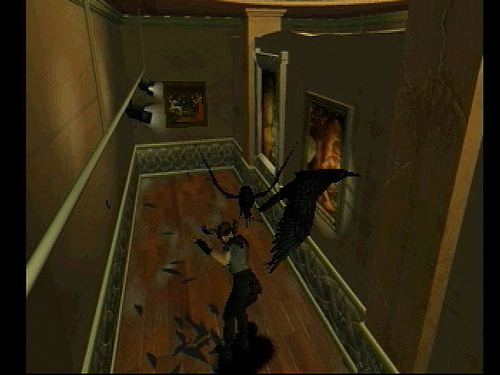
Resident Evil is the game that started it all. The Shinji Mikami directed game took the survival horror genre to new heights, and managed to set expectations for what would come. Gorgeous pre-rendered backgrounds made it one of the best looking PlayStation games, and Resident Evil was an unforgettable experience in 1996.
-
Resident Evil 2 (1998)
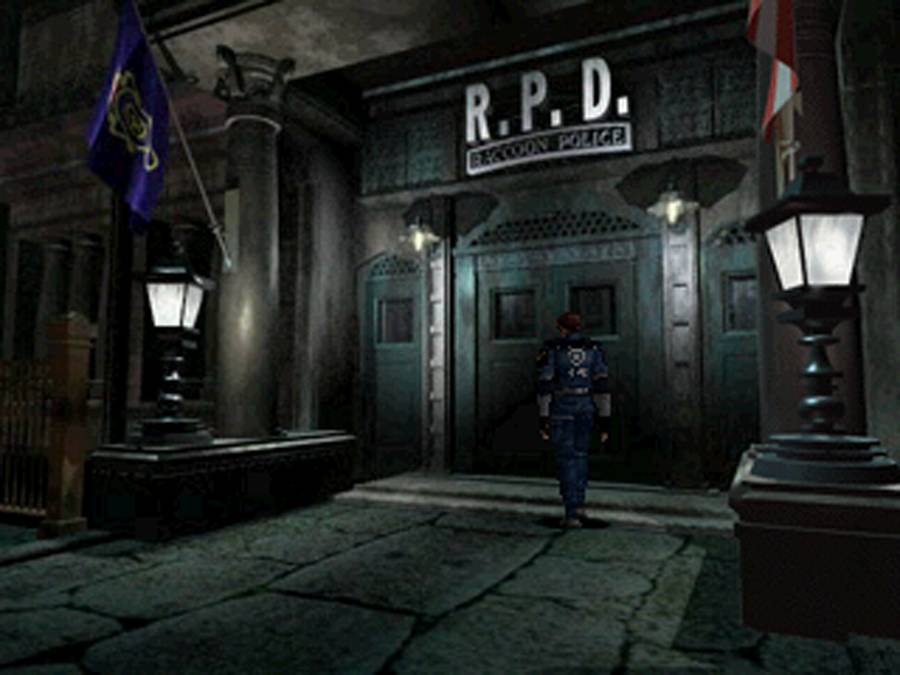
Directed by Hideki Kamiya, Resident Evil 2 is an example of how to do a sequel. Building upon everything the first game did well, Resident Evil 2 managed to one-up it in many regards by offering a higher production value, and enhanced graphics. It's undeniably a classic, and we're glad that it's getting a full remake by Capcom on PlayStation 4.
-
Resident Evil 3: Nemesis (1999)
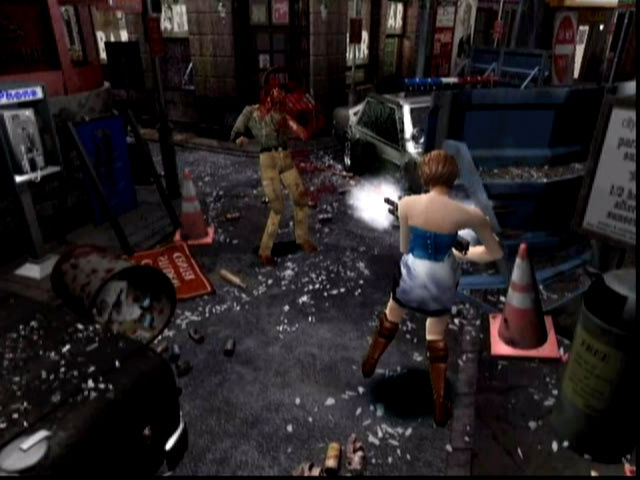
While the weakest of the original PlayStation games, Resident Evil 3: Nemesis is still a good offering. The Nemesis character is a hate it or love it design choice, so your mileage may vary in your enjoyment. Regardless, fans will want to check out one of the more divisive titles in the Resident Evil series.
-
Resident Evil Survivor (2000)
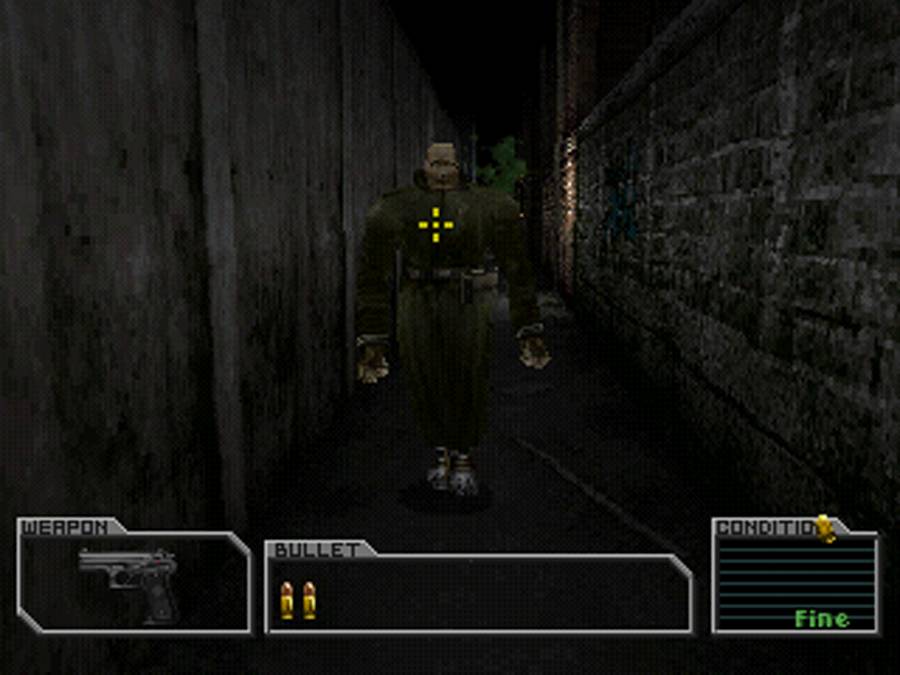
Resident Evil Survivor is the first in a series of light gun games set in the Resident Evil universe. Survivor tells an original story with an all new protagonists, and uses character models from Resident Evil 2. The North American version of the game actually doesn't support light gun support due to the criticism video game violence was facing after the Columbine massacre.
-
Resident Evil Code: Veronica X (2001)
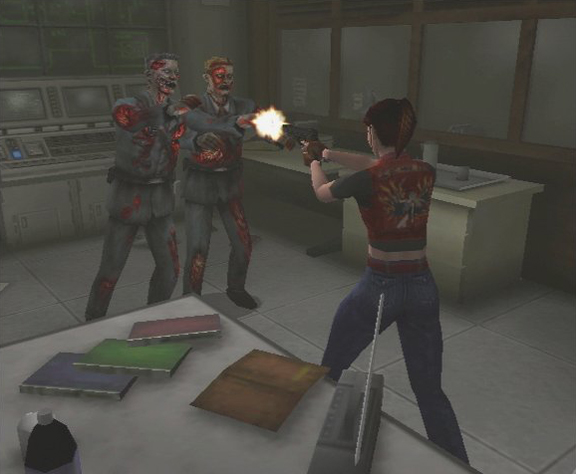
An upgraded version of the Dreamcast exclusive, Resident Evil Code: Veronica X adds 9 minutes of cut-scenes. While gameplay-wise it's similar to past titles, it has the distinction of being the first Resident Evil game to feature 3D backgrounds instead of pre-rendered ones. It was very well received, more so than Resident Evil 3: Nemesis, and stars the Redfield siblings
-
Resident Evil Survivor 2 Code: Veronica (2001)
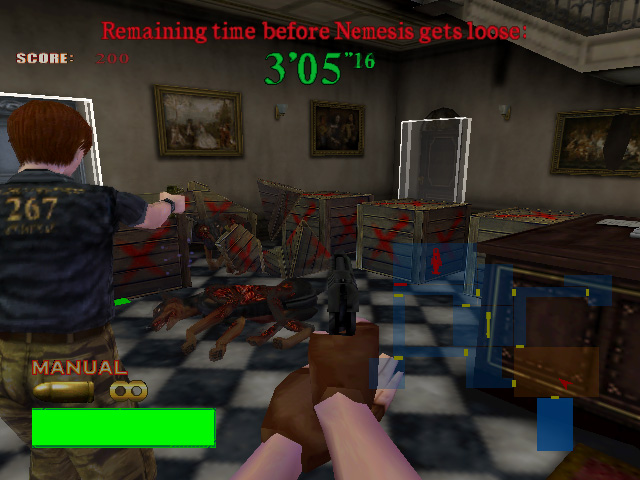
Resident Evil Survivor 2 Code: Veronica is another light gun shooter, but this time features a story that has been adapted from Resident Evil Code: Veronica X. It's also the first Resident Evil light-gun shooter for PlayStation 2. While it released in Europe and Japan, Resident Evil Survivor 2 Code: Veronica never made its way stateside.
-
Resident Evil: Dead Aim (2003)
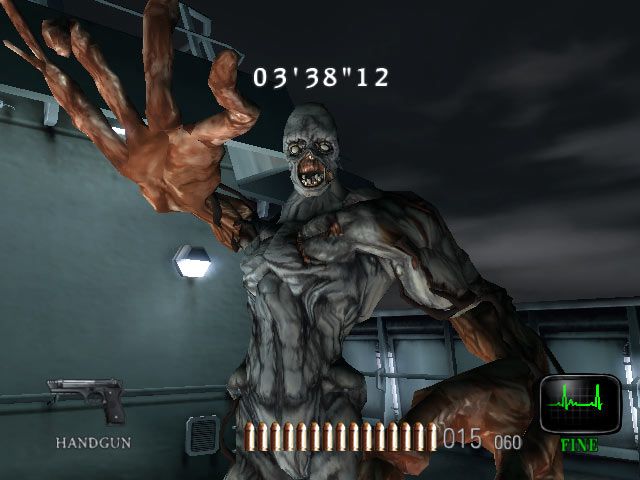
The third game in the Survivor series, Dead Aim was the final one released on PlayStation 2. While it wasn't as good as other light gun games, like House of the Dead, it managed to impress with its stellar graphics.
-
Resident Evil Outbreak (2003)
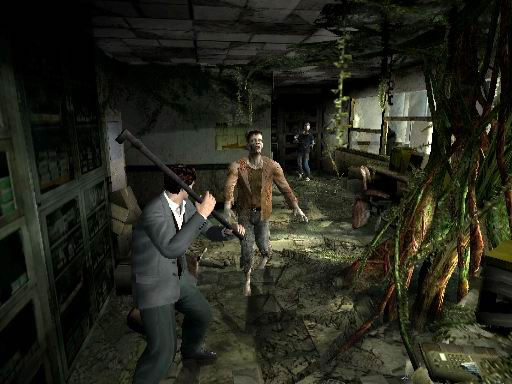
Featuring 5 scenarios that gamers could play with friends, Resident Evil Outbreak featured one of the series' first forays into cooperative gameplay. Sadly, it was plagued with poor online play, was over in a few hours, and lacked basic features such as voice chat.
-
Resident Evil Outbreak File #2 (2004)
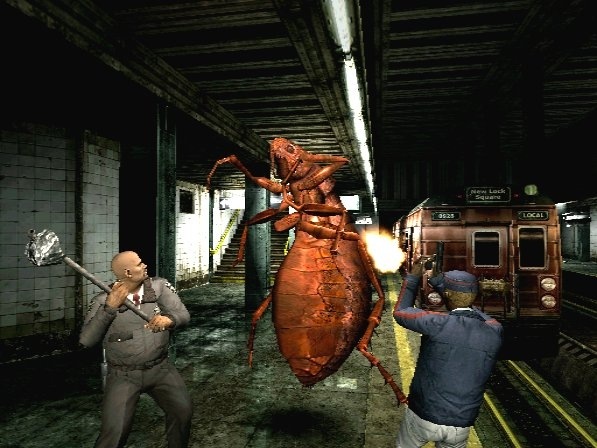
More of an expansion than a sequel, Resident Evil Outbreak File #2 adds more content for players to experience. It doesn't fix the issues that plagued the original and was met with a lukewarm reception. That's probably why we haven't seen a third Outbreak game.
-
Resident Evil 4 (2005)
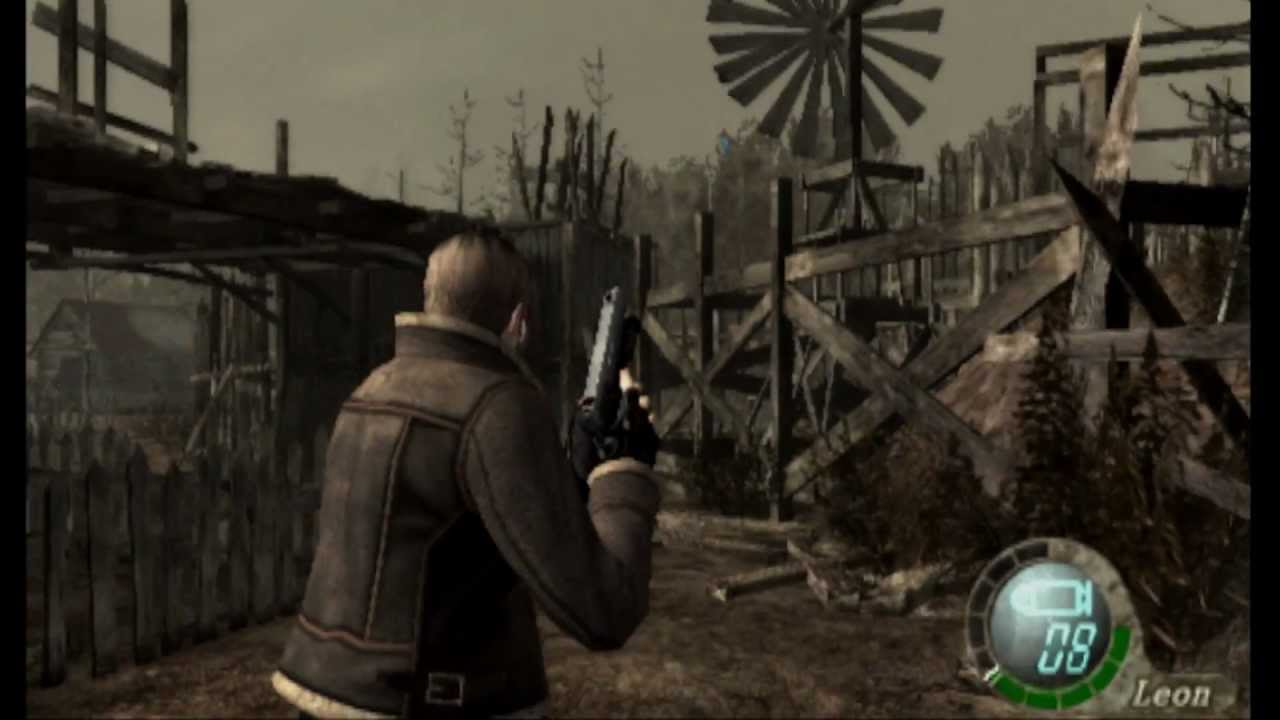
Resident Evil 4 was the breath of fresh air that the series so badly needed. It got away from the survival horror genre, and instead turned Resident Evil into a premiere action game. Resident Evil 4 wowed to the point where many consider it the best game ever released on PlayStation 2.
-
Resident Evil 5 (2009)
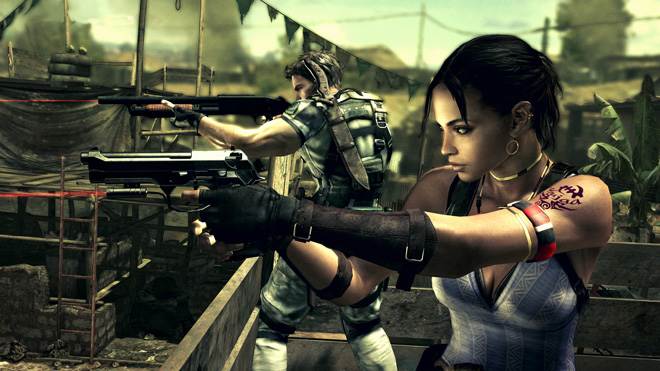
While far from a bad game, Resident Evil 5 didn't manage to live up to the hype. Gamers expected more from the series after 4 years, and it felt like other action games had passed Resident Evil by mechanically. It was still a huge success, though, and is the best selling Capcom game to date.
-
Resident Evil: Operation Raccoon City (2012)
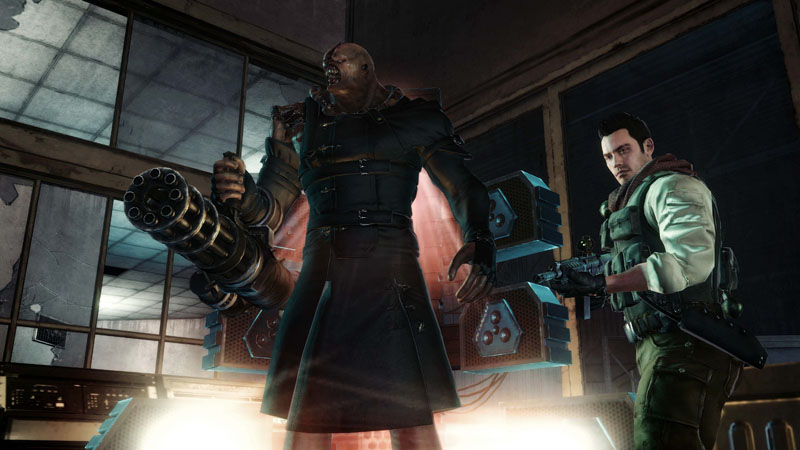
The action-oriented Resident Evil: Operation Raccoon City was a success for Capcom, despite an underwhelming critical response. The third-person shooter featured online play, and seems to be the basis for the upcoming Umbrella Corps.
-
Resident Evil: The Umbrella Chronicles (2012)
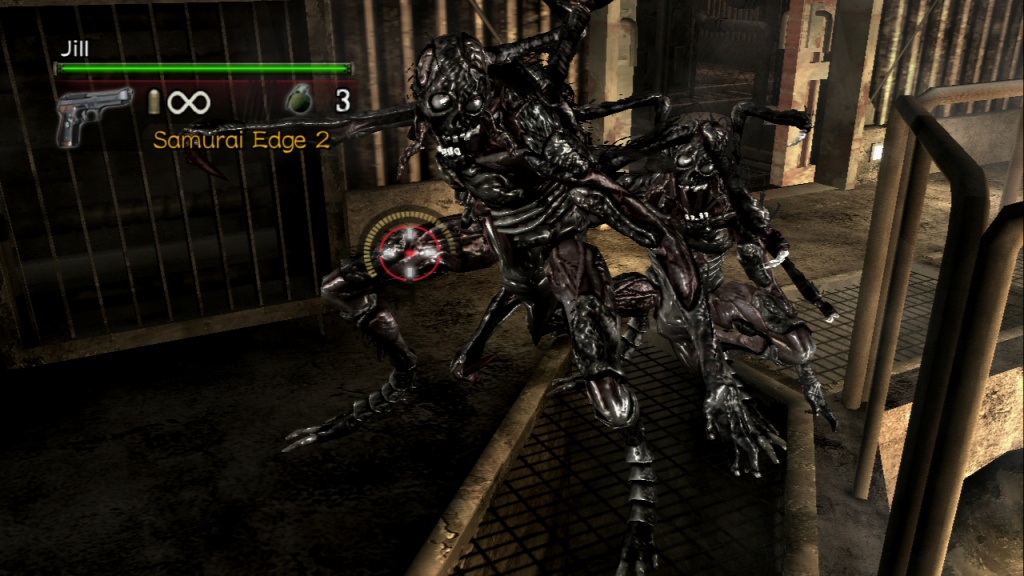
The first of two on-rail shooters that were ported to PlayStation 3, Resident Evil: The Umbrella Chronicles is a new look on the stories of Resident Evil 0 and the 1998 original. It's a fun trip through memory lane, and a decent attempt at bringing back the fun that gamers had with light gun shooters in the past.
-
Resident Evil: The Darkside Chronicles (2012)
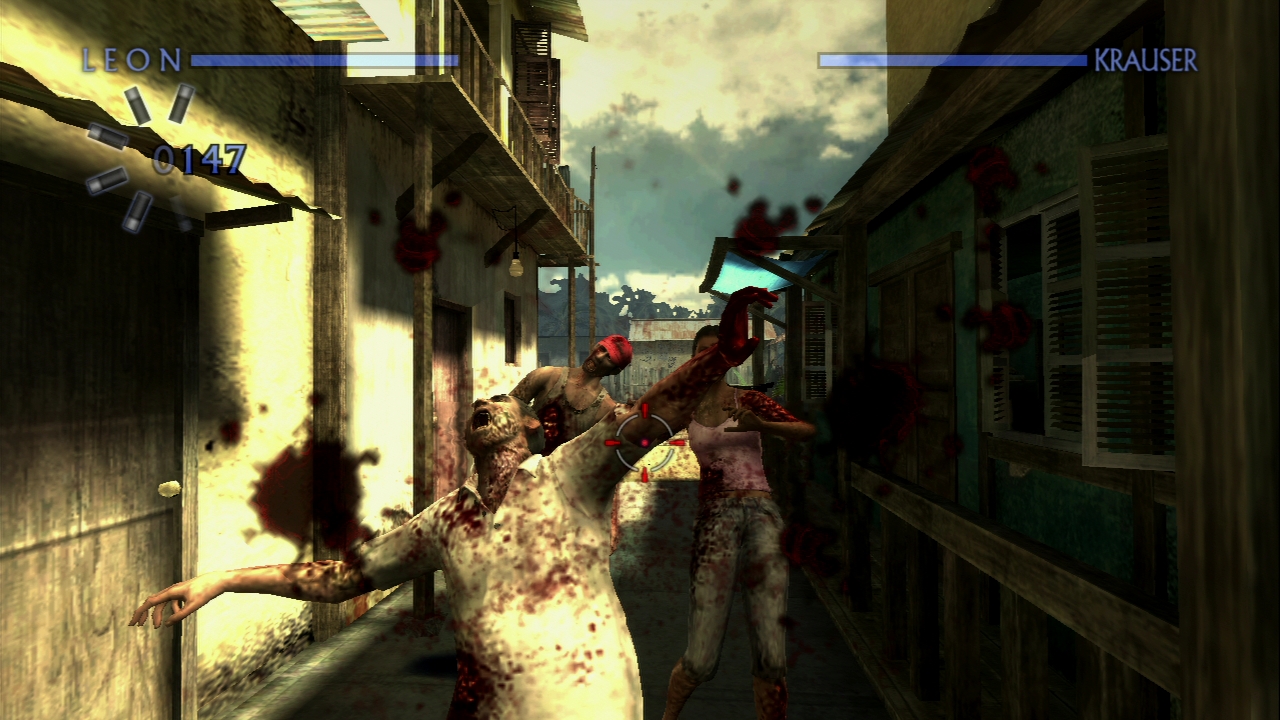
The other PlayStation 3 shooter is Resident Evil: The Darkside Chronicles. This time retelling the events of Resident Evil 2 and Resident Evil Code: Veronica. It's a fun time, especially if you have a PlayStation Move controller, and surprisingly looks fine despite being a Wii port.
-
Resident Evil 6 (2012)
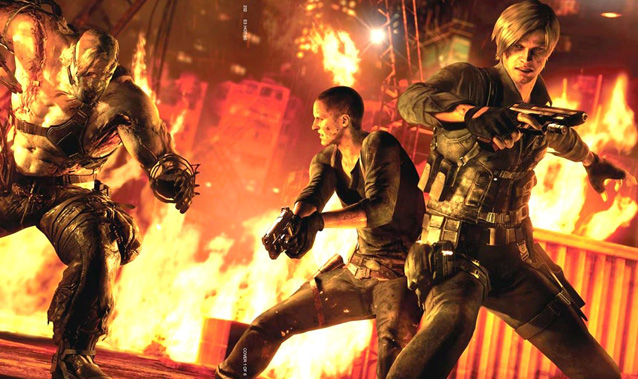
Let's not talk about Resident Evil 6.
Okay, I guess we have to. Capcom's follow-up to Resident Evil 5 was a mess. It was a game without an identity, and one that tried to be all things to all gamers. That isn't a realistic goal, and it's exactly why it failed to impress.
Say what you will, though, it's the 2nd best selling game in the franchise.
-
Resident Evil: Revelations (2013)
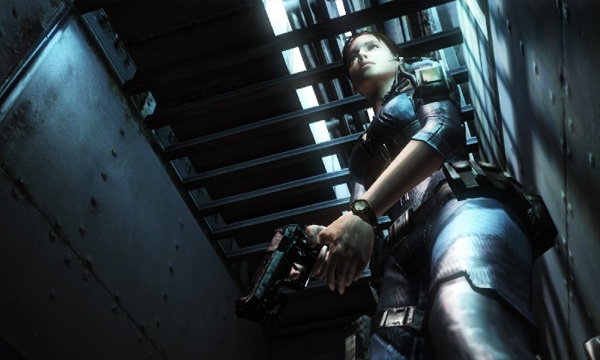
Originally released on Nintendo 3DS in 2012, Resident Evil: Revelations made the jump to consoles a year later. Starring Jill Valentine and Chris Redfield, the horror game was a nice way to go back to the series' roots. Despite not being a technical showcase on consoles, it still delivered a solid throwback.
-
Resident Evil (2015)
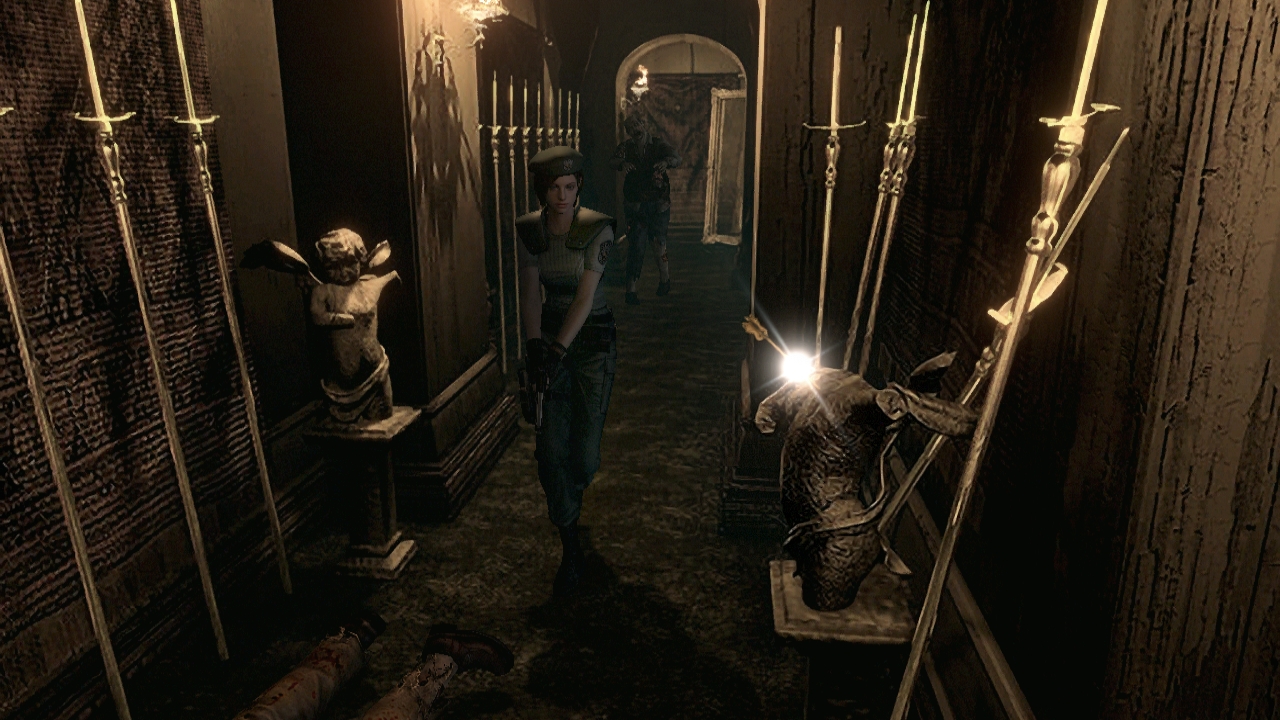
While the original Resident Evil was initially remade for the GameCube in 2002, it received a HD remaster 13 years later. This is the definitive way to play the game that started them all, and Mikami's stellar survival horror game has aged surprisingly well thanks to a new control scheme.
-
Resident Evil: Revelations 2 (2015)
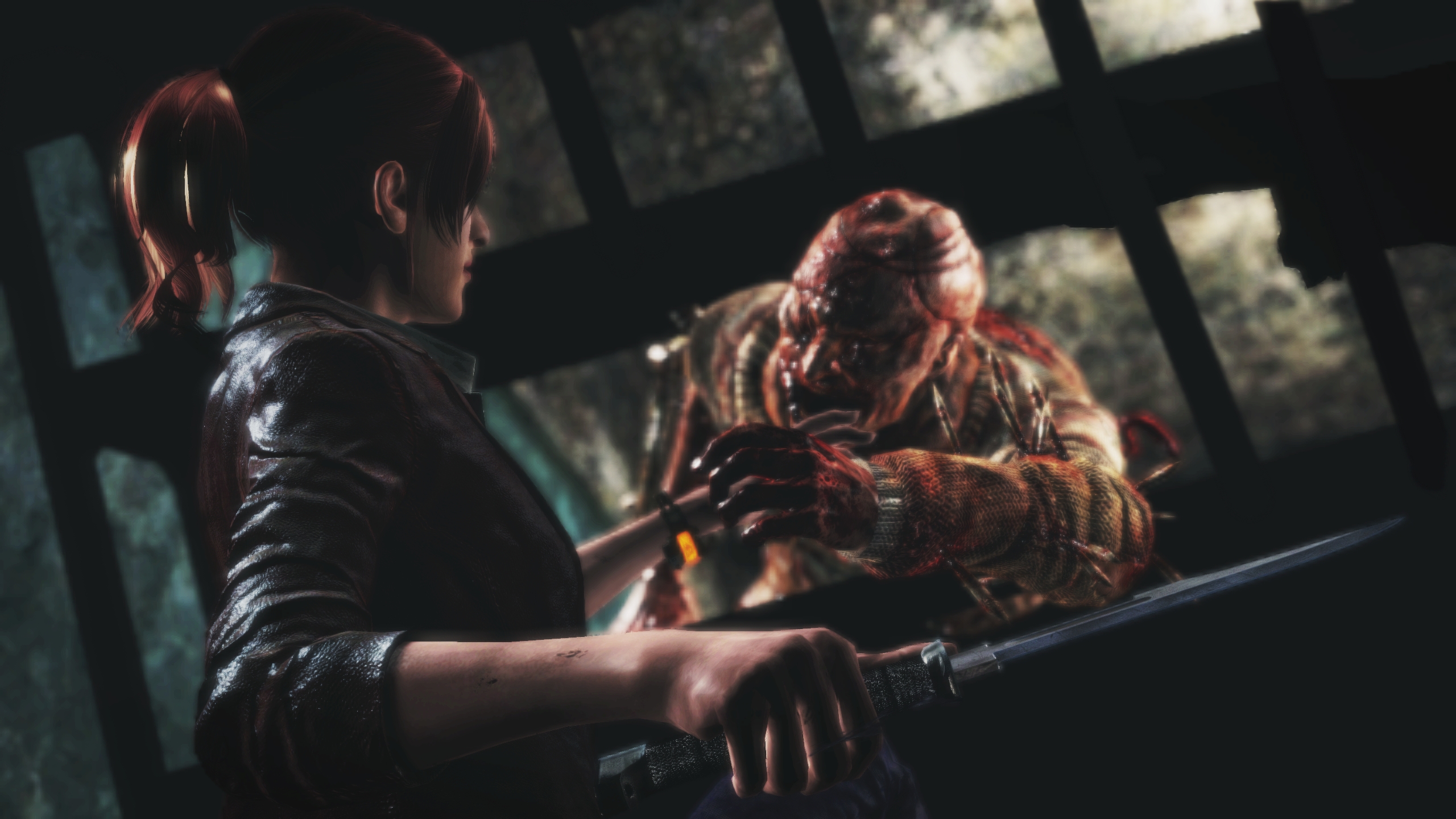
Resident Evil Revelations 2 is the latest original game in the series, and is largely considered to be pretty fun. It tells a standalone story that features a cast of familiar and new characters that include Barry Burton, his daughter, and Claire Redfield. It does a pretty solid game of balancing both action and horror, and is a solid game either on Vita or PlayStation 4.
-
Resident Evil 0 (2016)
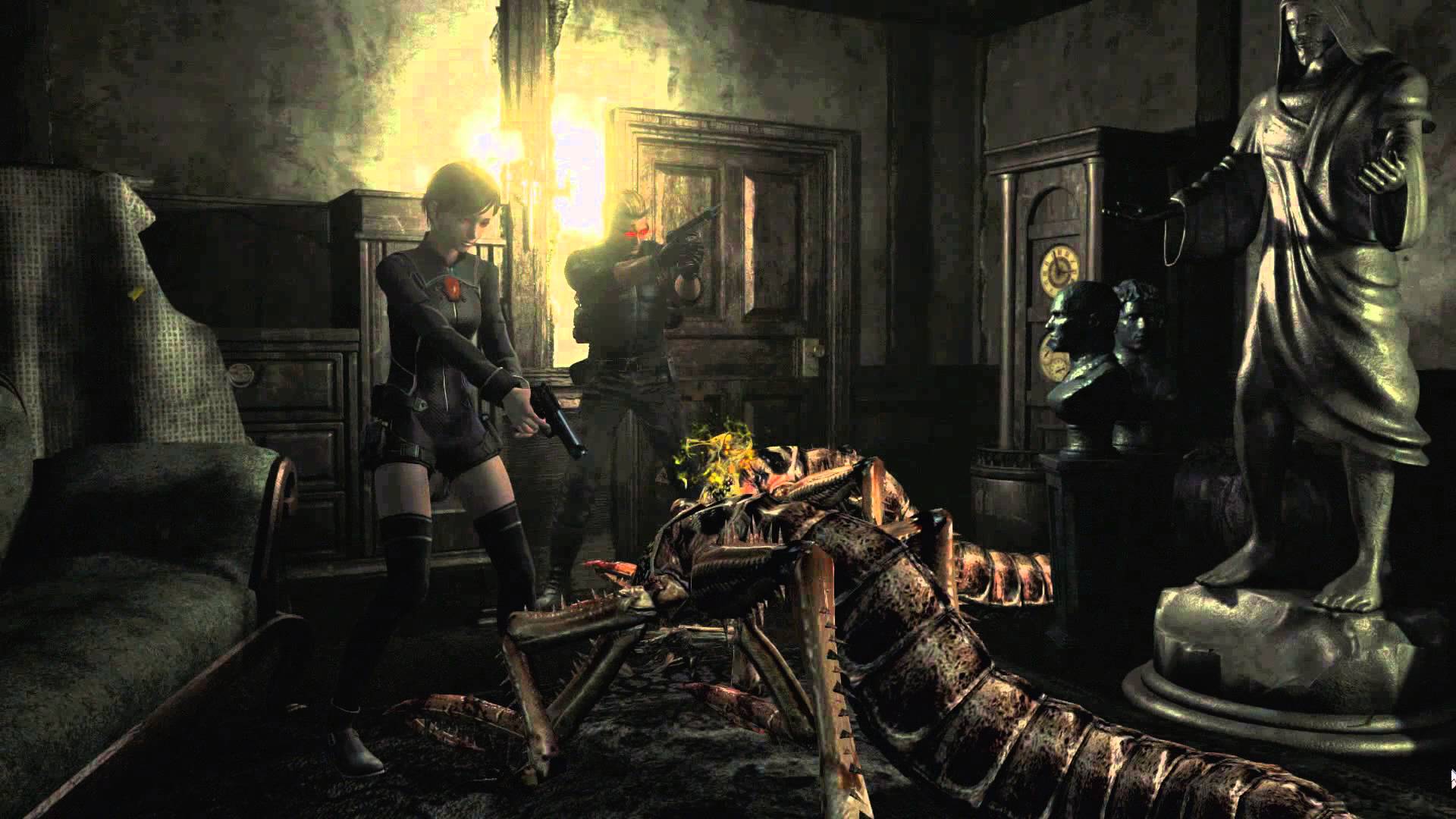
While originally released in 2002 for the Nintendo GameCube, Resident Evil 0 finally made its way to PlayStation consoles earlier this year. This gorgeous remaster includes upgraded graphics, and a brand new mode where you can play as Wesker! It's a blast, and a great way to play this prequel, but sadly you'll have to beat the game first before you can access it.