In this edition of PlayStation VR Conversations, we talk to KO-OP Mode’s Saleem Dabbous. The game collective that is known for making unique and experimental games, are now working on GNOG. To find out more about the 3D puzzle adventure, we talked to Saleem about how KO-OP Mode is tackling VR and how GNOG is enhanced by it.
PlayStation LifeStyle: What are the additional challenges in developing a game that uses virtual reality?
Saleem Dabbous: With a game like GNOG we have a non-traditional 3D environment with no player controlled camera movements. This is great for VR in the sense that the risk for motion sickness is greatly reduced. On the other hand, since we started development on the game before we decided to support VR, a lot of tricks we were employing to create certain visual effects and scene layouts completely break in VR now that the player can look around.
So for example, if we had an animation of an explosion, the objects flying out of the viewable range of the screen would freeze and disappear as soon as the player couldn’t see them anymore. With VR since that visible range is flexible we have to make sure we fade things out in a proper way without ruining the illusion of the game’s fiction. With GNOG as a cursor based game, we have to find new ways of creating a sensible and perceptible cursor in VR as well. Thankfully, these are fun design challenges.
PSLS: Is virtual reality the next step in evolving the medium of video games?
SD: I really believe that VR is a new tool that sits alongside traditional screen based games rather than replacing them. Media has never truly evolved in a linear fashion – we still read books, watch tv, etc., and I don’t think there’s anything about VR in its current form that’s going to change that. I think when we look at it with that perspective, we free ourselves to start imagining alternative designs for games and interactive experiences that can be tailor made for VR, rather than trying to serve the needs of traditional based games shoehorned into a VR experience (like a First Person Shooter).

PSLS: Do you feel that to make the best possible VR experiences, a game has to be developed from the ground up for VR? Or do you believe that current games can be adapted?
SD: Well GNOG is a game being adapted for VR, but it was really important to us that we could adapt the game to feel as if it was natively designed for VR from the ground up – otherwise we wouldn’t have done it. We looked at the design and thought a lot about how it would work in VR form and for us we were really lucky that the game was already sort of non-traditional in the first place, which lent itself to adaptation better than most.
PSLS: How important is immersion to the experience, and making sure the game doesn’t break away from it?
SD: Immersion is a bit of a weird one in the sense that different people have different ideas of what it means. For us I think we really want to give just enough to help the player build the sense of immersion in their own minds. GNOG is pretty abstract and relies on implying a world that doesn’t really exist in the gamespace. But sometimes implication with the help of art direction and sound design is a very powerful tool to create immersion and world building. It’s a tricky balance, but one we think is key to losing yourself in the world of GNOG.
One thing we’ve struggled a lot with in terms of trying not to break from the game world is having no in game text or GUI, which means teaching the player certain things becomes far more challenging. It’s something we keep going back and forth on and I’m not sure we’ve really made a decision yet. At the end of the day it depends on what our goals are: adherence to immersion, or accessibility. We’re still discovering what matters most to us with the game and that’s a good thing. You have to be flexible with your goals or you close off your perspective during the evolution of a game’s development.
PSLS: How is GNOG enhanced by Virtual Reality?
SD: GNOG is directly inspired by things like kids toys, think Polly Pocket, Mighty Max, or Rubik’s Cubes. In VR you feel like you’re really directly interacting with a physical object, you can peer around it, observe it from different angles, and manipulate it in ways that feel more satisfying than traditional screens. It feels like you have a digital toy shelf that you’re going through, which is really magical and rekindles that sense of wonder from childhood. It’s hard to explain just how much the world of GNOG comes alive in VR in a really tactile way. It’s also really cool and creepy to have a face staring at you in VR and makes you feel like the monster is more alive and aware of your presence in the game world.
PSLS: Do you think PlayStation VR will get the same amount of support as other VR devices such as the Oculus Rift?
SD: Absolutely. Sony is being really smart about PS VR and working with them has been a fantastic experience so far. Having a dedicated machine that already supports VR is a huge boost – I don’t have a PC strong enough to run the Rift for example, but my PS4 needs no upgrading, it’s great.
A big thank you to both Saleem Dabbous and the team at KO-OP Mode for doing the interview. You can stay up to date on GNOG, over on their website and Twitter.
PlayStation VR Conversations is a recurring interview feature where developers talk about the learning process of developing for virtual reality, and the future of video games.
Related Reading:
10 PS4 Games That Could Be Better With Project Morpheus
-
10 PS4 Games That Could Be Better With Project Morpheus

-
ABZÛ
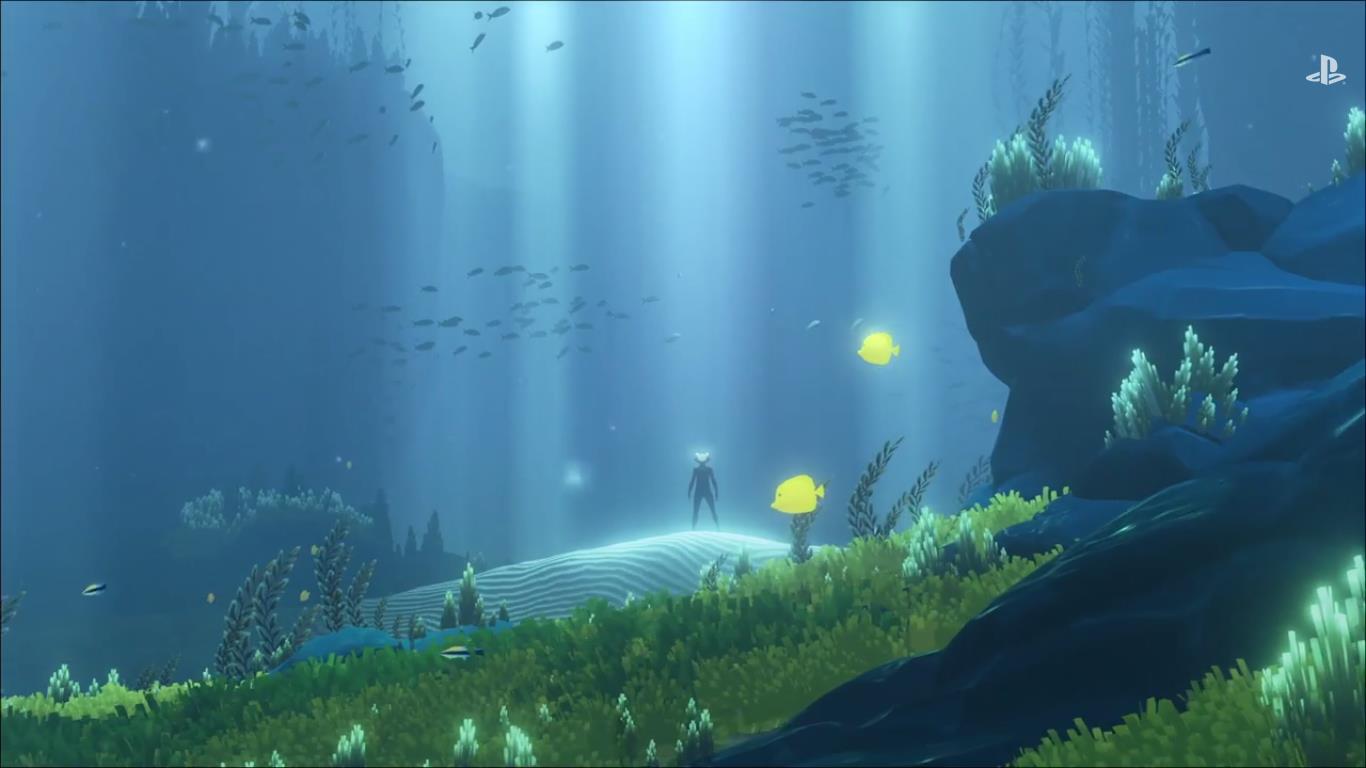
Matt Nava's work at thatgamecompany was beyond impressive, but ABZÛ takes exploration to a new level. This beautiful game about sea exploration is possibly the best looking PS4 title, and we would love to experience it in virtual reality. Imagine wearing Project Morpheus while swimming with schools of fish and during close encounters with sharks!
-
The Witness
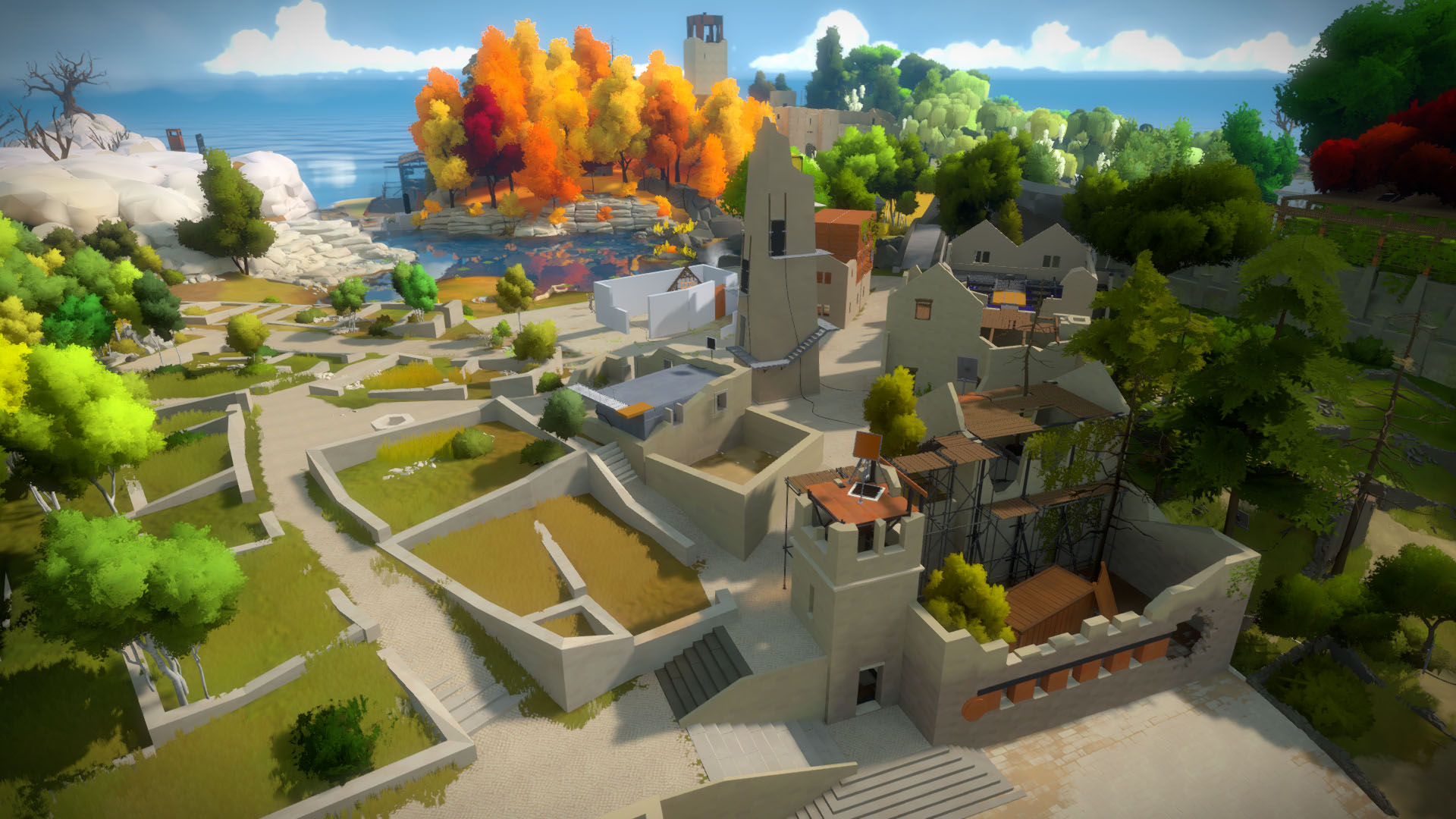
Jonathan Blow has been working on The Witness for a long time now. The puzzle game, which sports over 670 puzzles, looks extremely promising. Hopefully the considerable development time will allow the game to support Project Morpheus, as we would love to explore the title's beautiful environment in virtual reality!
-
Surgeon Simulator
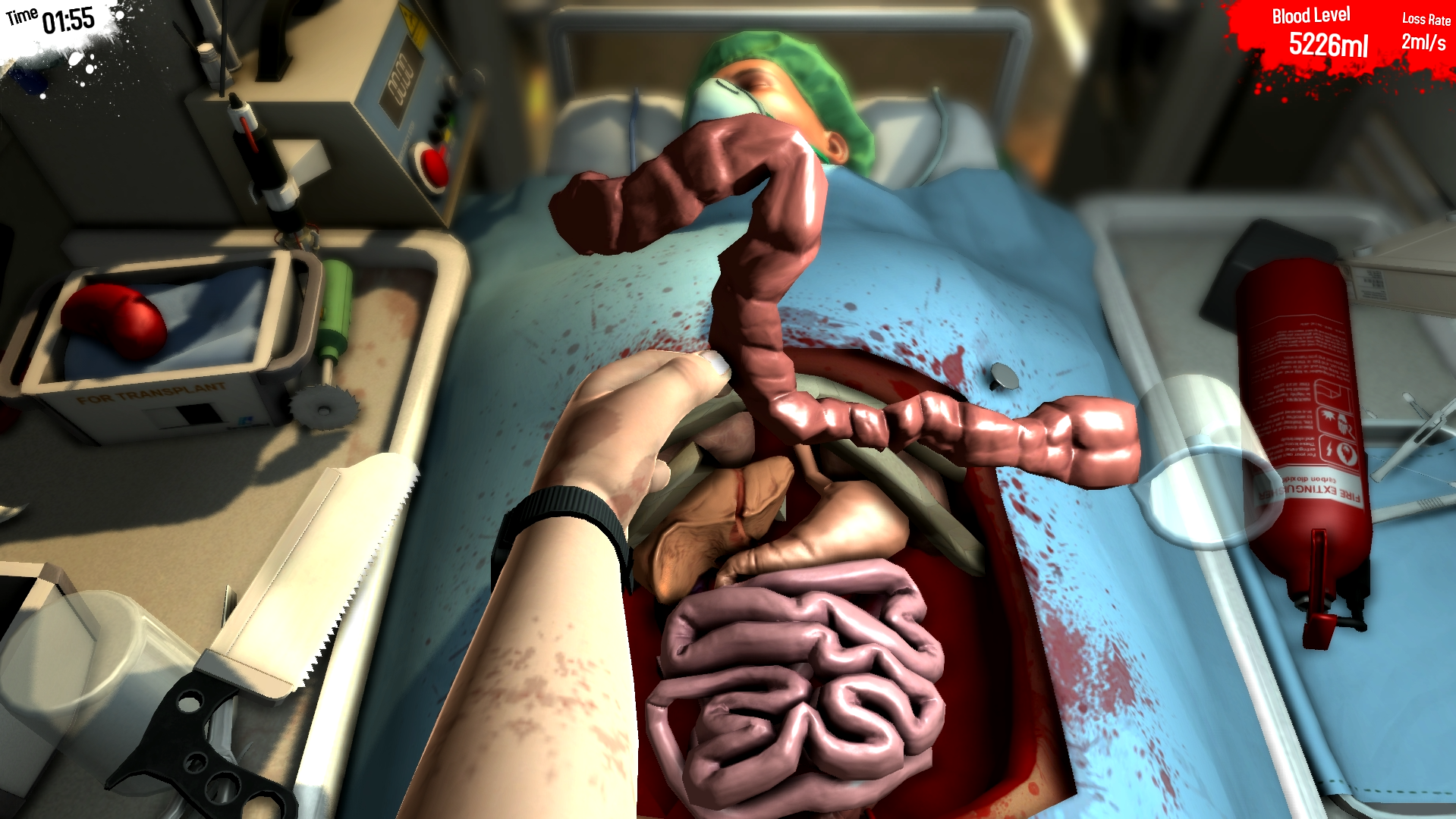
Few games are as hilarious as Surgeon Simulator. Sure, you might end up botching a surgery, but that is most of the fun! Throw in the ability to go on a complete trip and Surgeon Simulator is a great candidate to be played in Project Morpheus. This is one experience that would only be made even wackier by virtual reality.
-
DriveClub
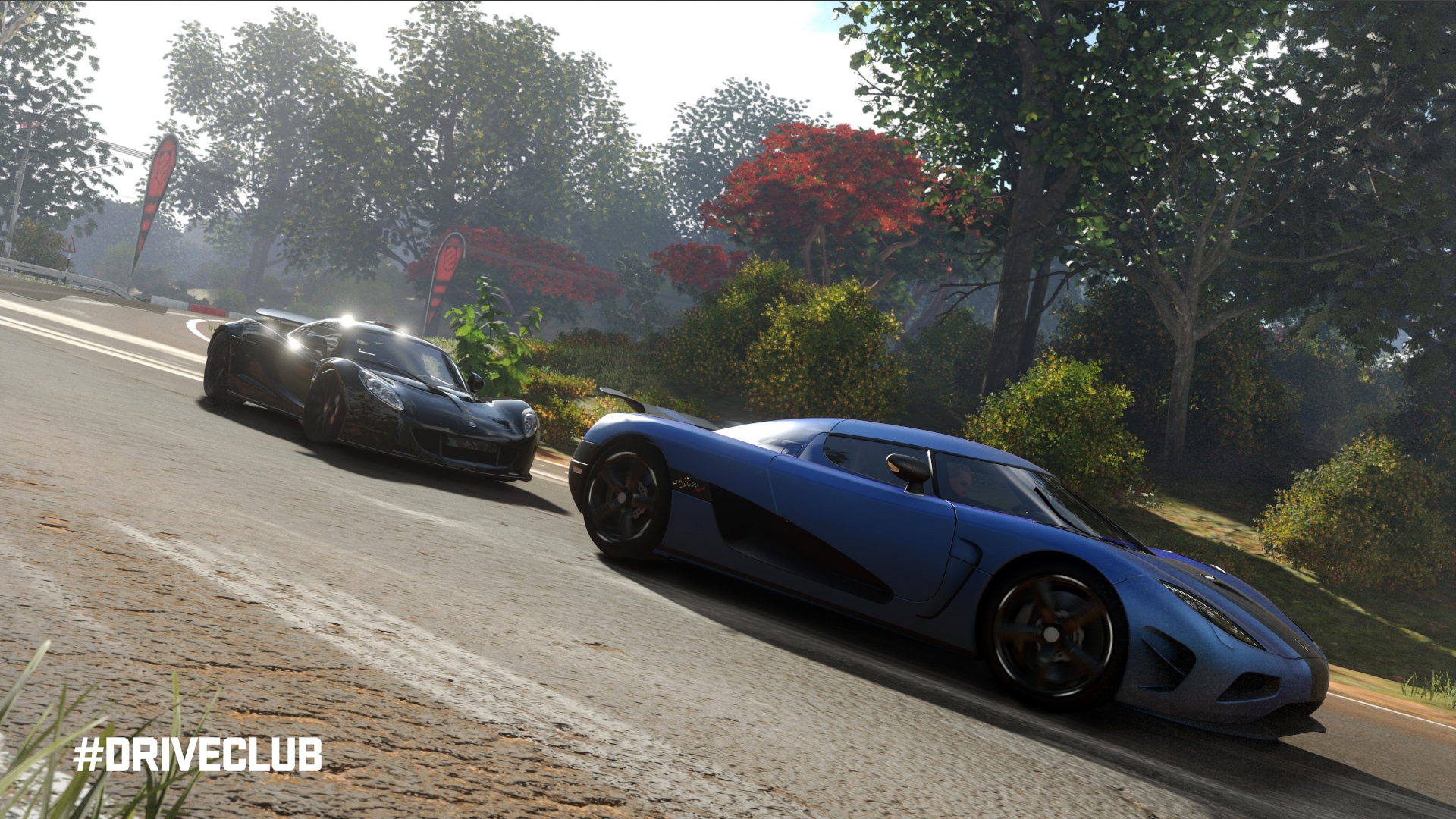
DriveClub may have not been the hit that Sony and Evolution Studios were hoping for, but it is still a solid driving game. One way to reinvigorate interest in the title would be to patch in Project Morpheus support in the future. Driving through beautiful race tracks at high speed sounds like a lot of fun either in real life or virtual reality!
-
Volume
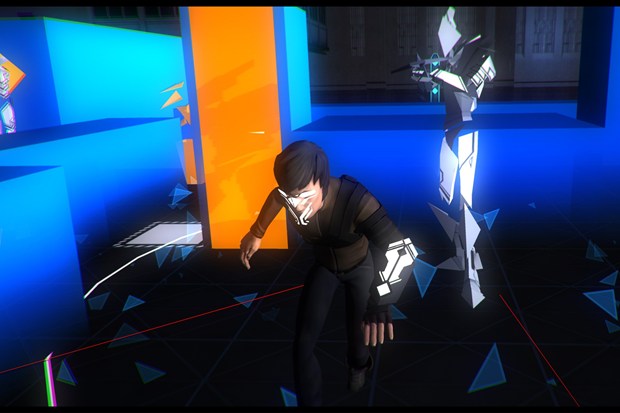
Mike Bithell's Volume releases in August and the stealth game has plenty of gamers excited. With its unique aesthetic, Volume seems to be a great candidate to receive Project Morpheus support. Few genres seem like they could benefit more from virtual reality more than stealth. So hopefully we'll see what it can do for the genre soon!
-
Mirror's Edge Catalyst
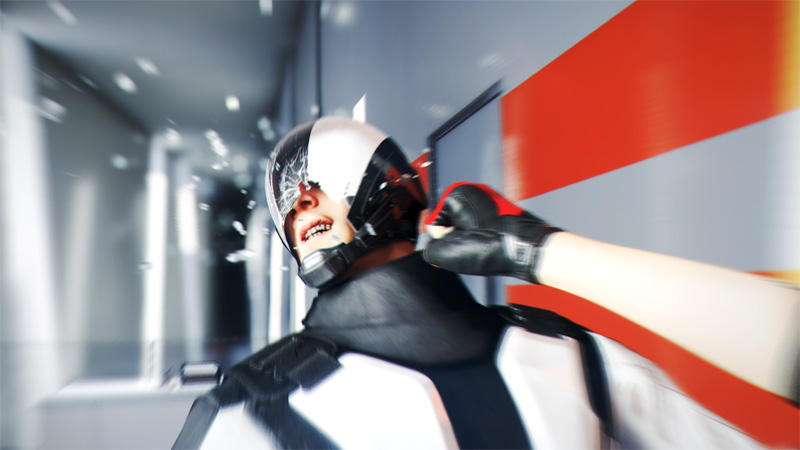
One of the first things that fans did once the Oculus Rift was available was to patch in VR support for Mirror's Edge on PC. Since the demand is already there, it would be a shame if Mirror's Edge Catalyst did not support Project Morpheus. Parkour in a virtual space has a ton of potential, and it would be awesome to see Faith's latest adventure in VR!
-
Thumper
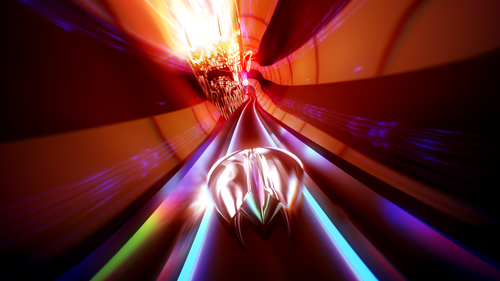
Developer Drool describes Thumper as "rhythm violence", and that description is spot-on. Few games offer up such an intense audio and visual experience as Thumper does, so we would love to see what the game could do if it supported Project Morpheus.
-
Destiny
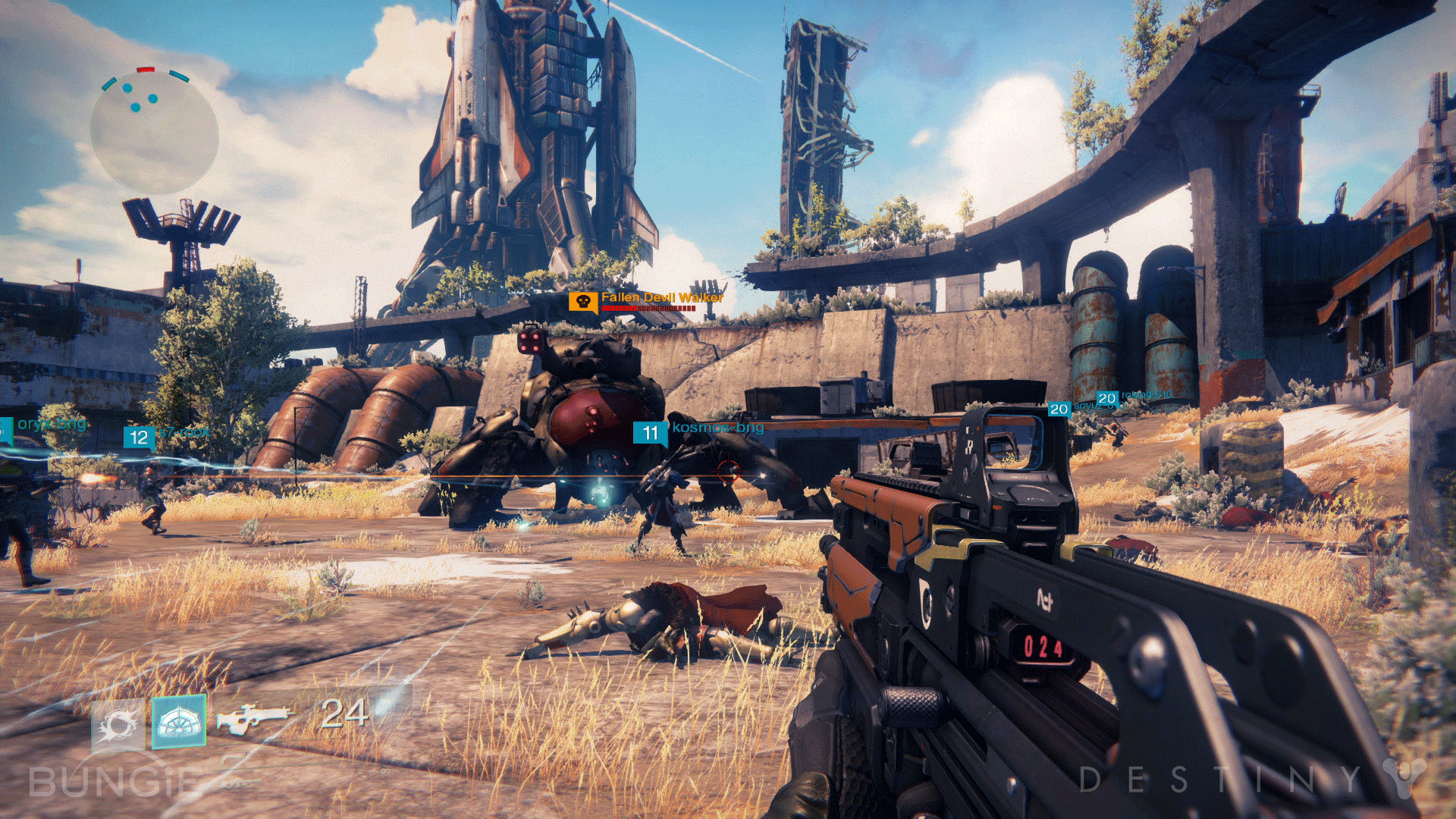
Few first-person shooters have proved to be as addicting as Destiny, so we can only imagine how engrossing Bungie's game would be in Virtual Reality. Who wouldn't want to strap on a headset, explore planets and participate in raids?
-
Until Dawn
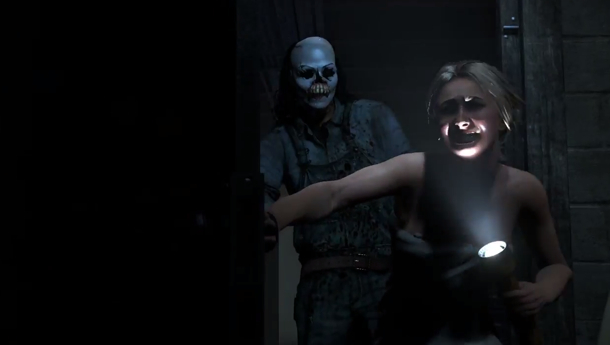
In its current state Until Dawn is one of the most intense and startling games ever to exist. This E3 2015 highlight could bring dramatic situations to life if it used Project Morpheus. We're not sure we would want to see the jump scares, though!
-
Alien: Isolation
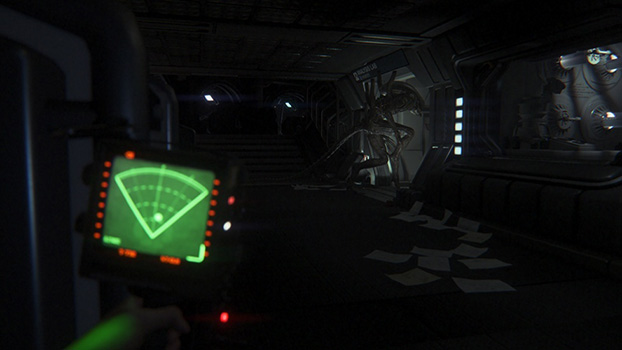
Few games are as frightening as 2014's Alien: Isolation. With a terrifying Alien stalking you throughout the space ship, there was never a dull moment. Isolation could be even scarier if it used Project Morpheus!