Note: This opinion piece reflects the views of the author and not PlayStation LifeStyle as a whole
I’m a huge fan of indie games. It’s not about an underdog story where I’m left rooting for the little guy to succeed, it’s because I’ve been able to see developers get complete freedom and take genuine risks. Something as weird and wonderful as Undertale would never have a chance of being made under the watch of a large publisher. The true vision of a creator is harder to find as publishers focus test every last detail, so I’m so glad that indie gaming is viable enough for these unique games to constantly be coming out. Despite how glad I’m glad this subsection of games exist, I can’t deny that the term “indie” has a negative stigma attached to it.
This has baffled me for a while. I don’t feel like the indie game stigma is deserved, but I’ve often scrolled down to the comments on this very site only to see readers complaining about an interesting looking game because it’s “yet another indie.” I’ve seen complaints about “indie garbage,” and how gamers didn’t spend hundreds of dollars on a new console to play a 2D game. It’s a common disconnect I’ve had with many of my readers, and I’m here to make the case why this negative aura needs to go.
Defining “Indie”
Before I talk more about the stigma itself, I feel like it’s important to define the term “indie game.” It gets thrown around a lot, so what exactly does it mean? When broken down technically it simply means that a developer is independent and isn’t owned by another company. That’s it. There is no team size restriction, or anything that prohibits the ability of an indie game to be anything less than a first-party game like The Last of Us.
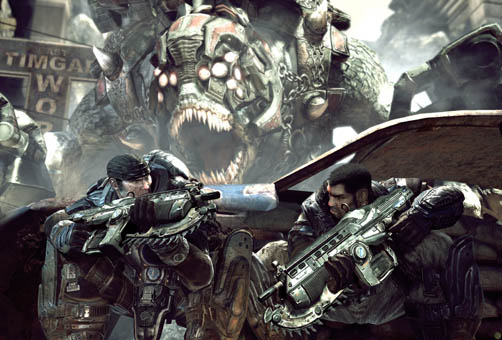
Up until 2012, when Chinese company Tencent Holdings bought a minority share of company, Epic Games were classified as an independent developer. Did anyone roll their eyes at Unreal Tournament and Gears of War because the company behind it was independently funded? No, that’d be silly. So, why does it happen all the time now?
Well, it’s pretty simple. When a gamer dismissively refers to a game as “indie” they aren’t actually referring to a company’s political make-up, they’re just making a snide comment about its production values or the staff size of a developer. It’s why larger independent studios who regularly create games that are sold at retail, such as Telltale Games, Double Fine and Flying Wild Hog aren’t often given that label. Meanwhile, any 2D platformer that hits the PlayStation Blog is immediately called an indie game, and will get dozens of comments where consumers say they’ll play it when it inevitably comes to PlayStation Plus (despite the odds greatly being against that happening).
Quality Isn’t the Issue
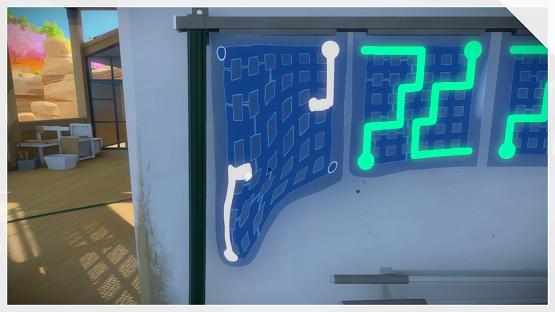
So the actual definition of an indie game doesn’t matter since it has no bearing on how it gets thrown around. It’s simply an empty buzzword to signify a small team or used by a dis to denote a poor quality. So, why is it like that? I’ve certainly played my fair share of terrible indies, but the ones that actually get buzz and are shown off on mainstream gaming sites typically are of a high quality. Indie games like Nuclear Throne and The Witness are at or near the peak of their respective genres, so why does it have a connotation of being a lower quality?
I’m not here to say that there aren’t some awful indie games, as I’ve played some terrible ones. Just a quick glance at the worst reviewed PS4 titles will show you that indie titles can be awful (and the real kicker is that the truly horrendous indies like Attacking Zegeta don’t get enough reviews to be listed on Metacritic). But a quick glance will also spot games made by huge companies like Electronic Arts, Tecmo Koei and Capcom, so clearly this isn’t just an indie problem. It’s also worth noting that 15+ indie games also rank on Metacritic with a 85 or higher aggregate score, so it’s not like the best games are only bigger titles either.
Frankly, I feel like a lot of this comes from a fear of the industry changing. Since indie games tend to take less time to develop due to being of a smaller scope, they release a lot more often than games deemed “AAA.” So, when looking at a release calender, it’s easy to be overwhelmed by the amount of indies and wonder where the big releases are.
Drink It In
Thankfully for open-minded gamers, the two types of games can gladly co-exist. Ubisoft won’t stop having every studio under their employ working on the next Assassin’s Creed game to work on the sequel to Grow Up, nor will every talented employee at Naughty Dog leave to in order to make first-person adventure games. We’re living in a time that is filled with a tremendous amount of video game diversity, and games both large and small will exist. It’s great and as Chris Jericho would say, we should all “drink it in, man.“
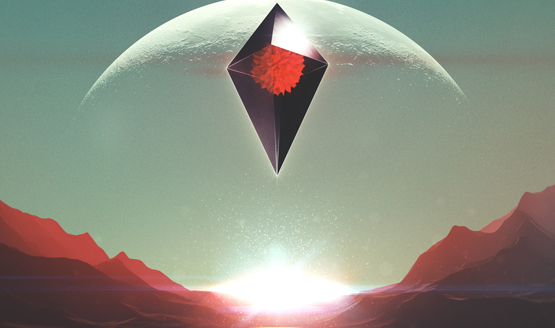
One upcoming release in particular has really shown that the label “indie” can be shrugged off if a game is marketed correctly. I’m talking about No Man’s Sky, of course. Hello Games may be a small studio, but they’ve managed to create a game that has a tremendous amount of buzz thanks to its innovative use of procedurally generated worlds and promise to provide an experience unlike any other game. In fact, the numbers don’t lie when they show that NMS has garnered more searches than another Sony published game in Street Fighter V. When that’s possible, it shows that there really is no limit to how big an independent game can get.
So, let’s stop using the term “indie” as if it has a negative connotation attached to it and appreciate that so many different types of games get to be made. Indie games range from pretentious titles that have players smoking on a beach to action filled first-person shooters like Shadow Warrior 2. The range of games that fall under the label is far too big to be universally discarded. Developers are creating different types of games that appeal to the all of the different types of consumers out there. It isn’t always with me (or you) in mind, but that’s great! Gaming is huge, and nobody has to like every game.
I just want everyone to remember that when you line up to purchase a copy of No Man’s Sky that you’re supporting an independent developer and buying a dreaded indie game for your PlayStation 4. It’s an amazing success story that it ended up being one of the most anticipated titles of the year. It just shows how silly the indie game stigma is, and why it should exit the minds of gamers.
Essential Reading:
- Sony Issues Statement on Leaked No Man’s Sky Review Copies, Confirms Progress Will Be Reset
- No Man’s Sky: The Road So Far
- Top 5 Reasons Why We’re Excited for No Man’s Sky
No Man's Sky Info Dump
-
No Man's Sky - Everything You Need to Know
Scrub up on your knowledge of Hello Games' space oddity in time for its long-anticipated release.
Your universe awaits.
-
First Gameplay Revealed
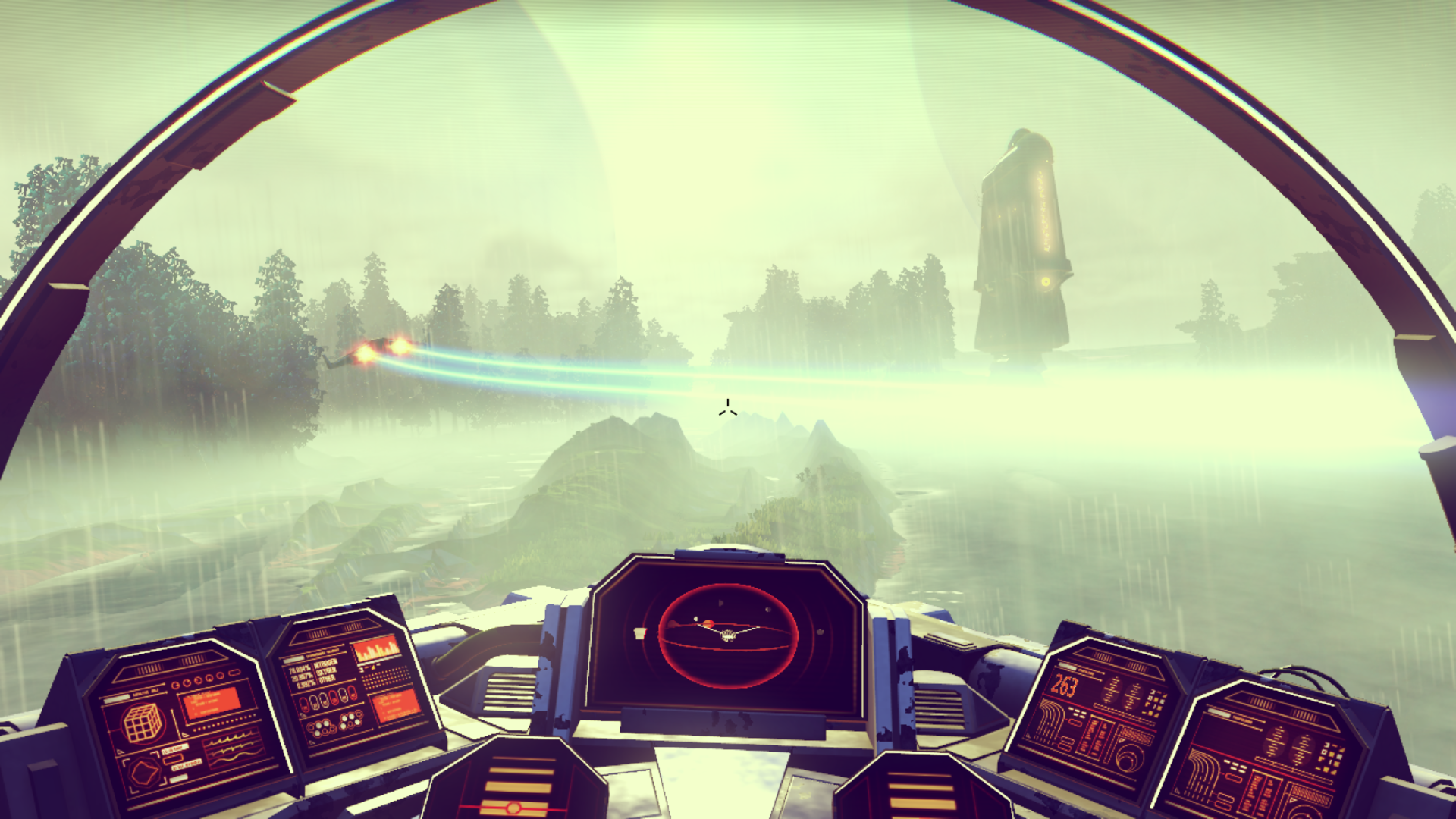
Six months on from its show-stopping unveiling, Hello Games took to the stage at E3 2014 heralding the first look at No Man's Sky in action.
It proved a defining moment in the game's development arc, not only wowing the industry with tangible gameplay, but aligning it closely with Sony and PlayStation 4. Which brings us to...
-
Why PS4?
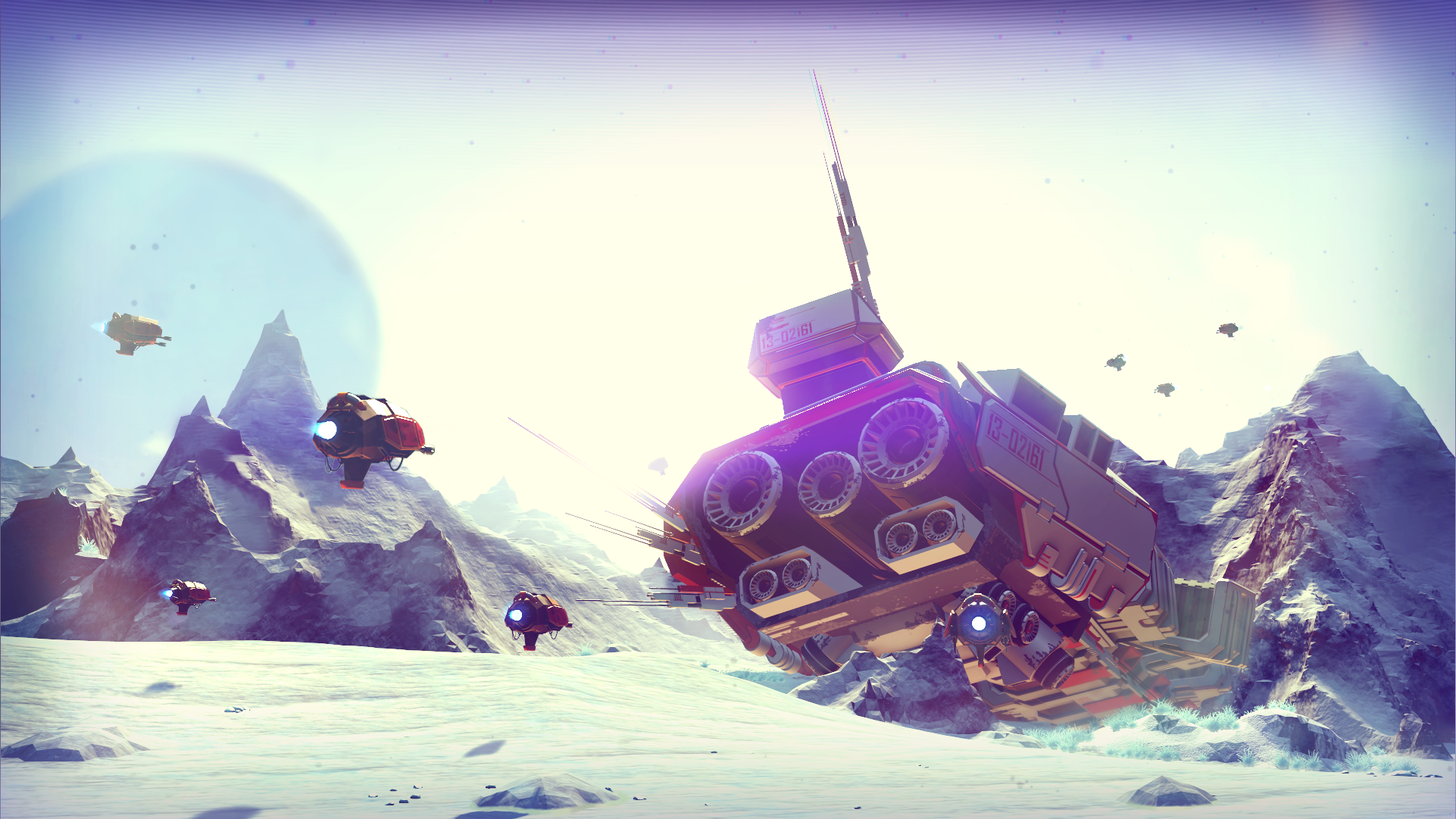
Despite some confusion at first, No Man's Sky will be releasing as a timed PS4 exclusive, expanding to PC soon after its debut early next week.
But the power of Sony's system effectively shaped Hello Games' approach to No Man's Sky from top to bottom -- be it design, control or performance.
Said Sean Murray at the time: "We’ve always had PC in mind but in my head [console-y] means solid framerate and immediate controls."
During production, it's understood NMS had the "full weight of PlayStation" behind it.
-
Expect Journey-esque Multiplayer
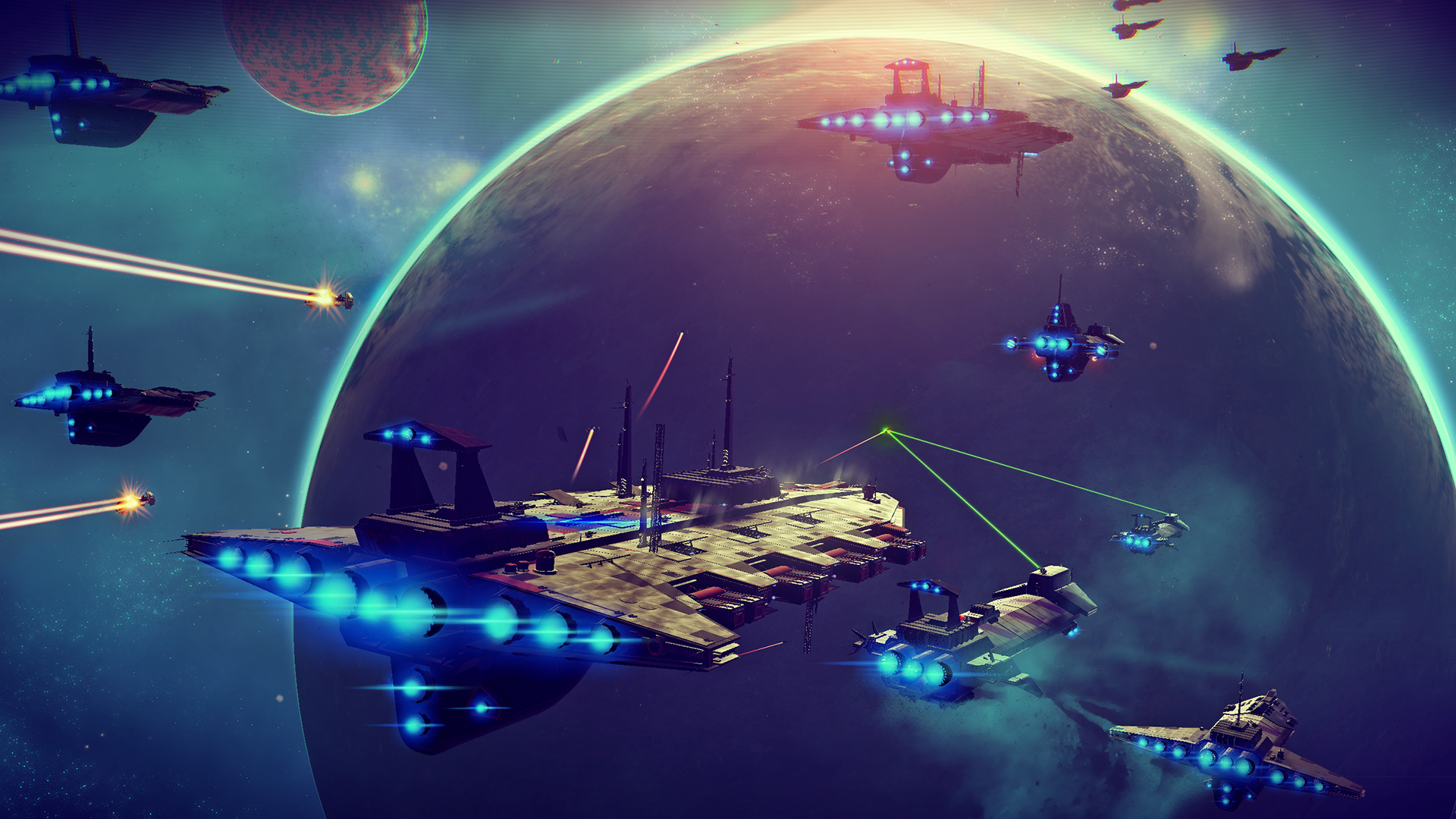
In adding a sense of order to the chaotic cosmos, Hello Games is eager to implement seamless multiplayer that will evoke memories of thatgamecompany's Journey.
Given the sheer scope of No Man's Sky, the odds of you crossing paths with another player are seemingly "really, really small."
But that doesn't mean you're totally alone, with Murray revealing that, "you get a sense that you’re playing with other people, and you can see the actions of other people, plus you’ll share things that are significant – if you take out a space station, we’ll share that, and that’ll be shared across the entire universe."
In space, no one can hear you, ahem, gather resources. Whatever the case, let's hope the prospect of running into potential allies offsets any boredom.
-
No Load Screens to Report
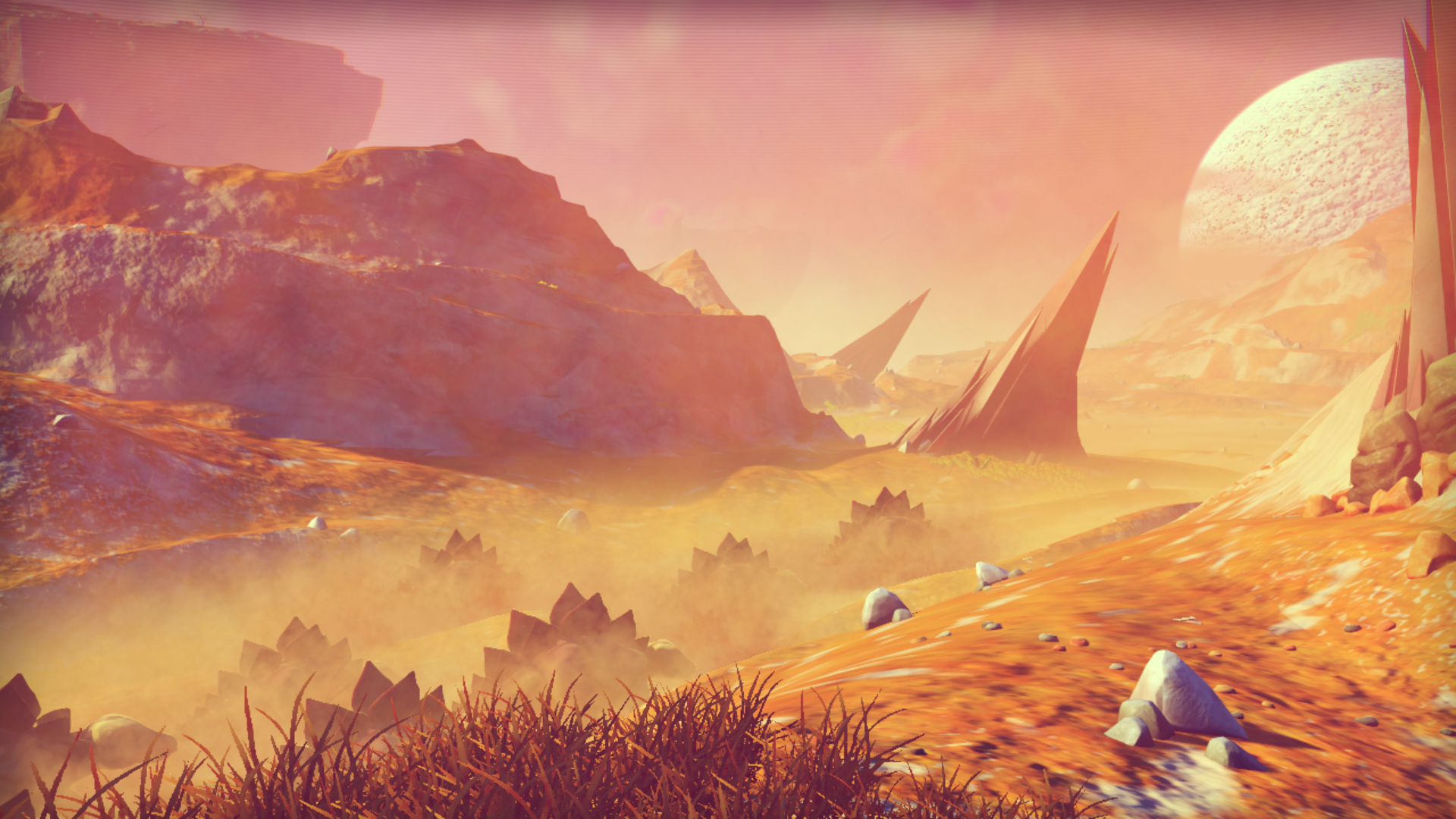
Tedious or no, one thing Hello Games is confident about is its game engine, which all but negates the need for load screens.
That allows you to jump from planet to planet without interruption, with Sean Murray noting that the studio "demoed this at gamescom, just jumping round the universe to different planets. There are no load times, because nothing needs to load, as the planets are entirely computer-generated."
-
More Than Meets the Eye
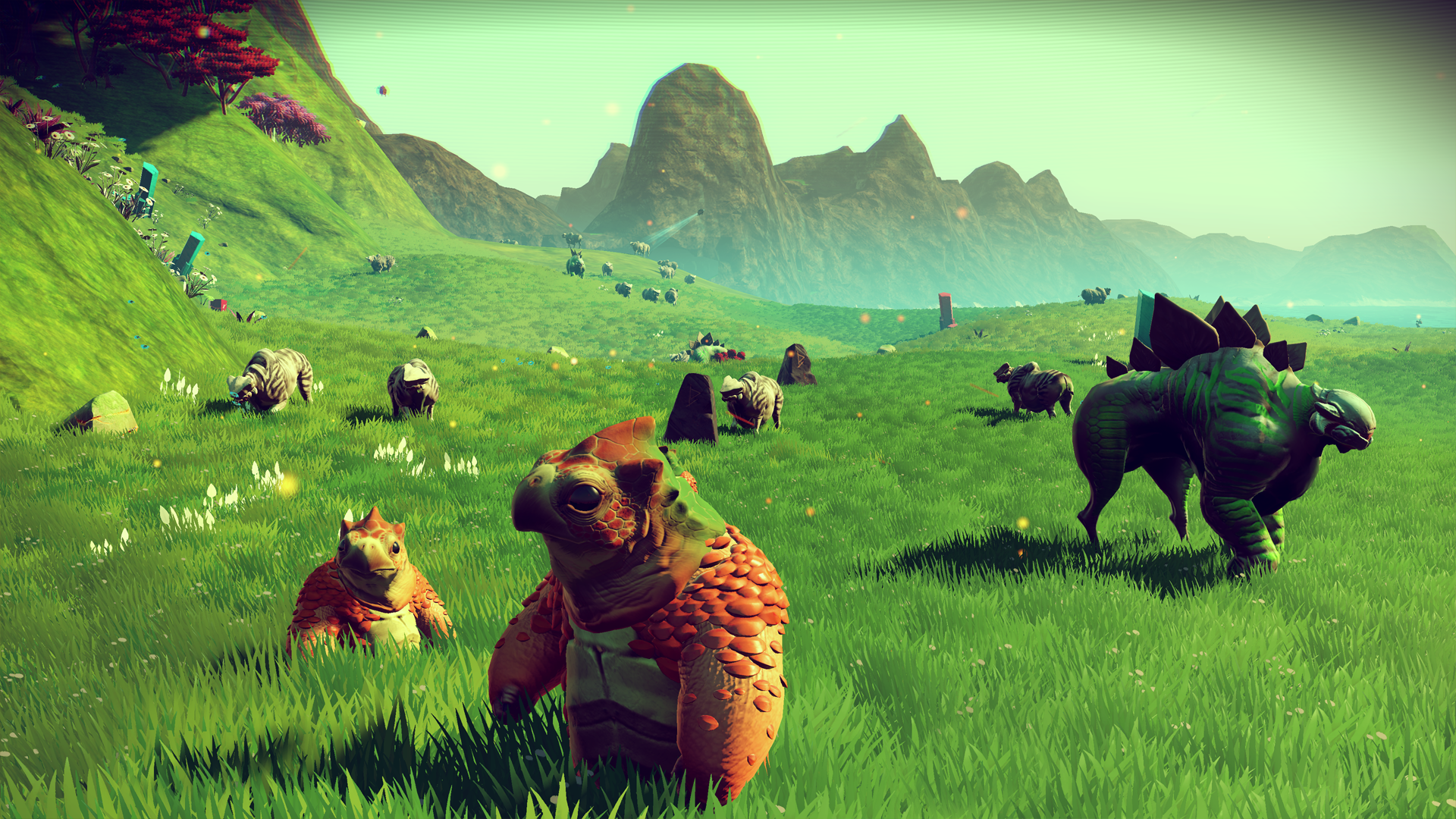
Unbridled exploration isn't the only selling point of Hello Games' new IP, and as development wore on, new details began to emerge regarding combat and the in-game wanted system.
-
One Year Later
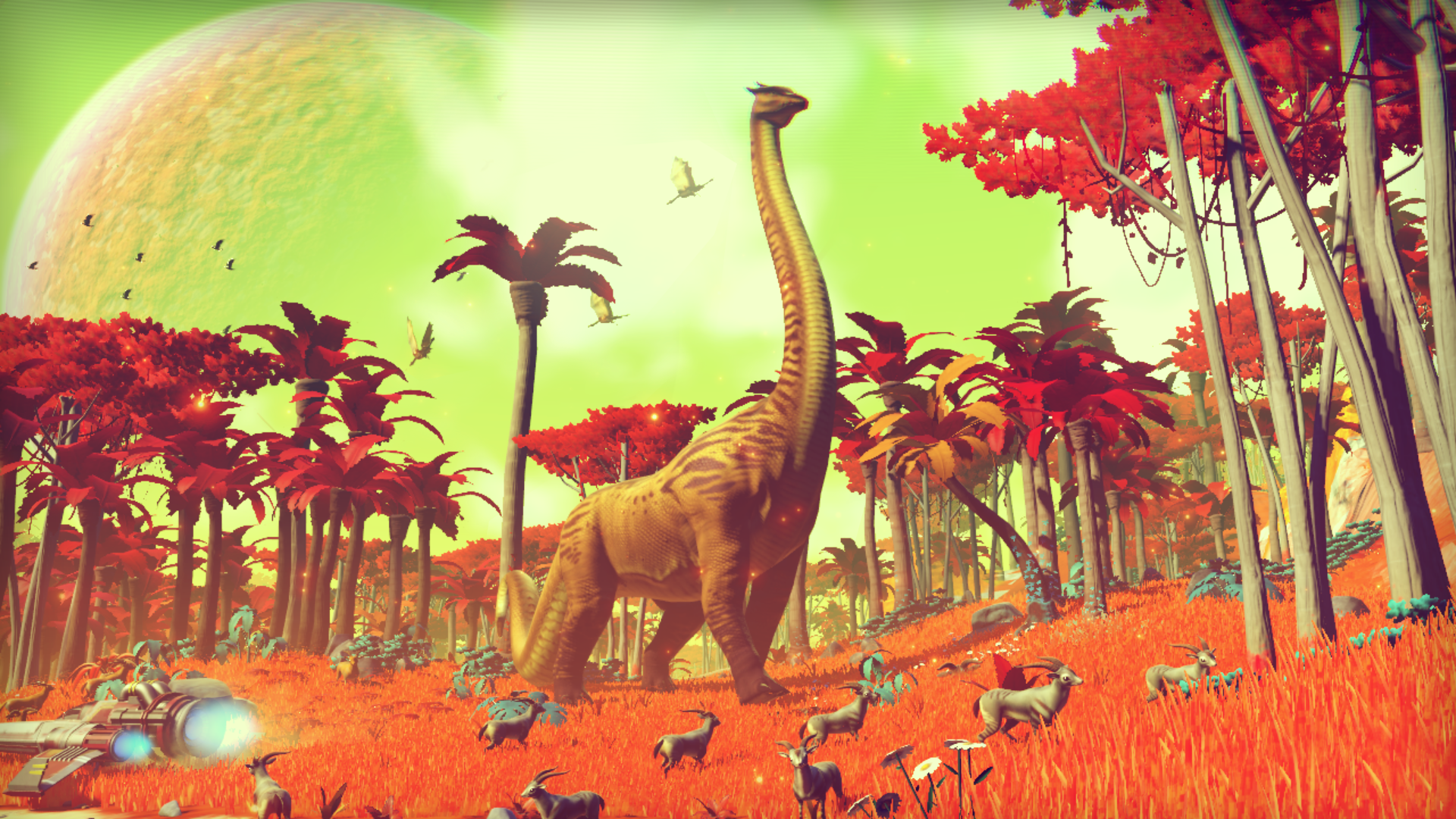
A lot can change in a year. By 2014, The VGAs were now known as The Game Awards and No Man's Sky, commemorating 12 months since its reveal, unleashed a new gameplay clip that thrust viewers out into the far reaches of space.
-
No DLC Plans
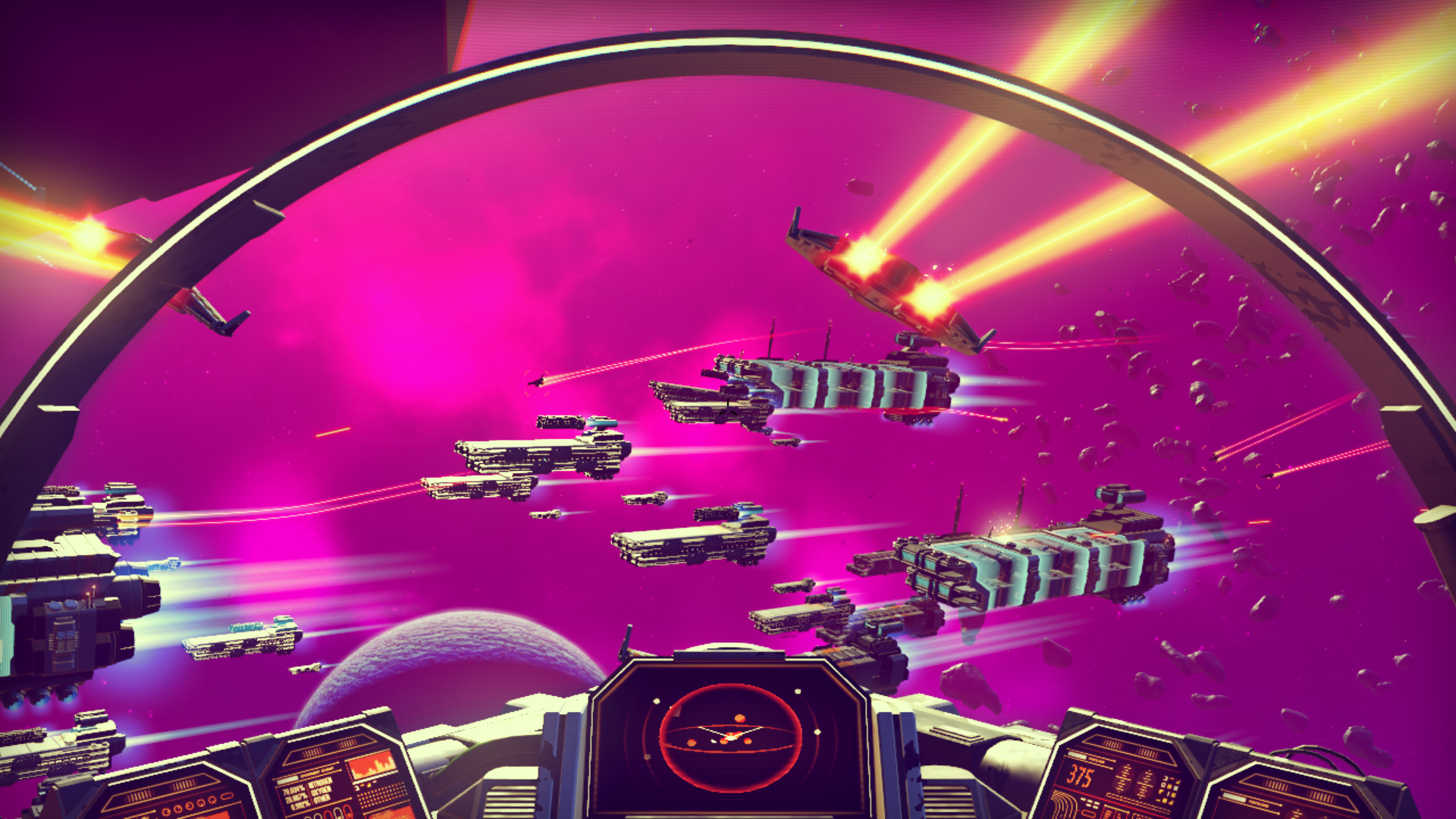
As things stand, Hello Games currently has no plans for downloadable content, and appears to be angling No Man's Sky to be more of a platform.
Besides, with upwards of 18 quintillion planets to explore, is add-on content really necessary? In fact, the game is so big that Hello Games had to employ probes to oversee creation.
-
Too Big to Spoil
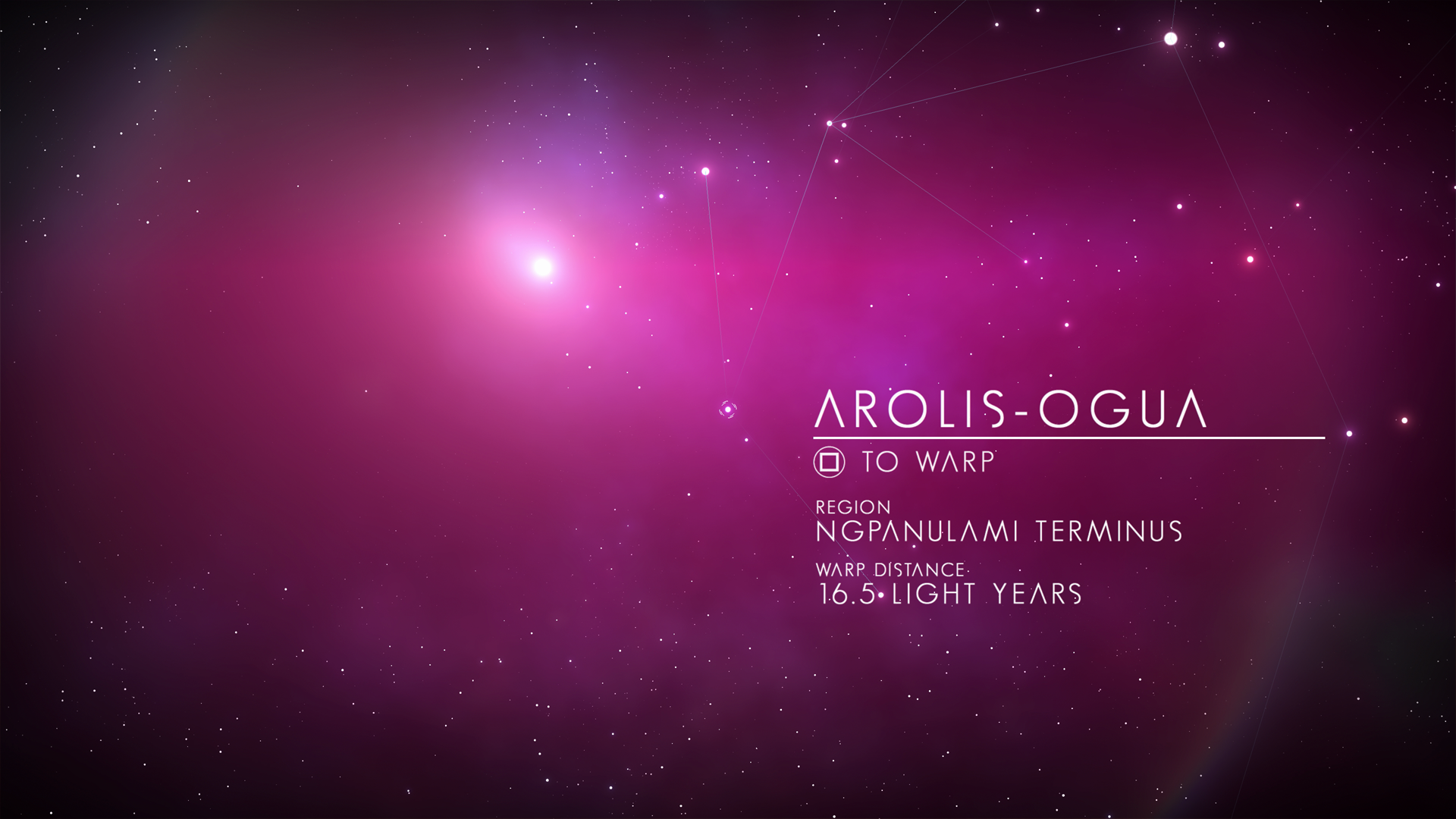
Even if you watched every single YouTube video for No Man's Sky -- of which there will surely be thousands -- it's virtually impossible to spoil the entire experience.
That's a point of contention that re-emerged quite recently, too, with Sean Murray asking early adopters to refrain from delving too deep and instead waiting to experience those surprises for themselves.
-
Hands-On Impressions
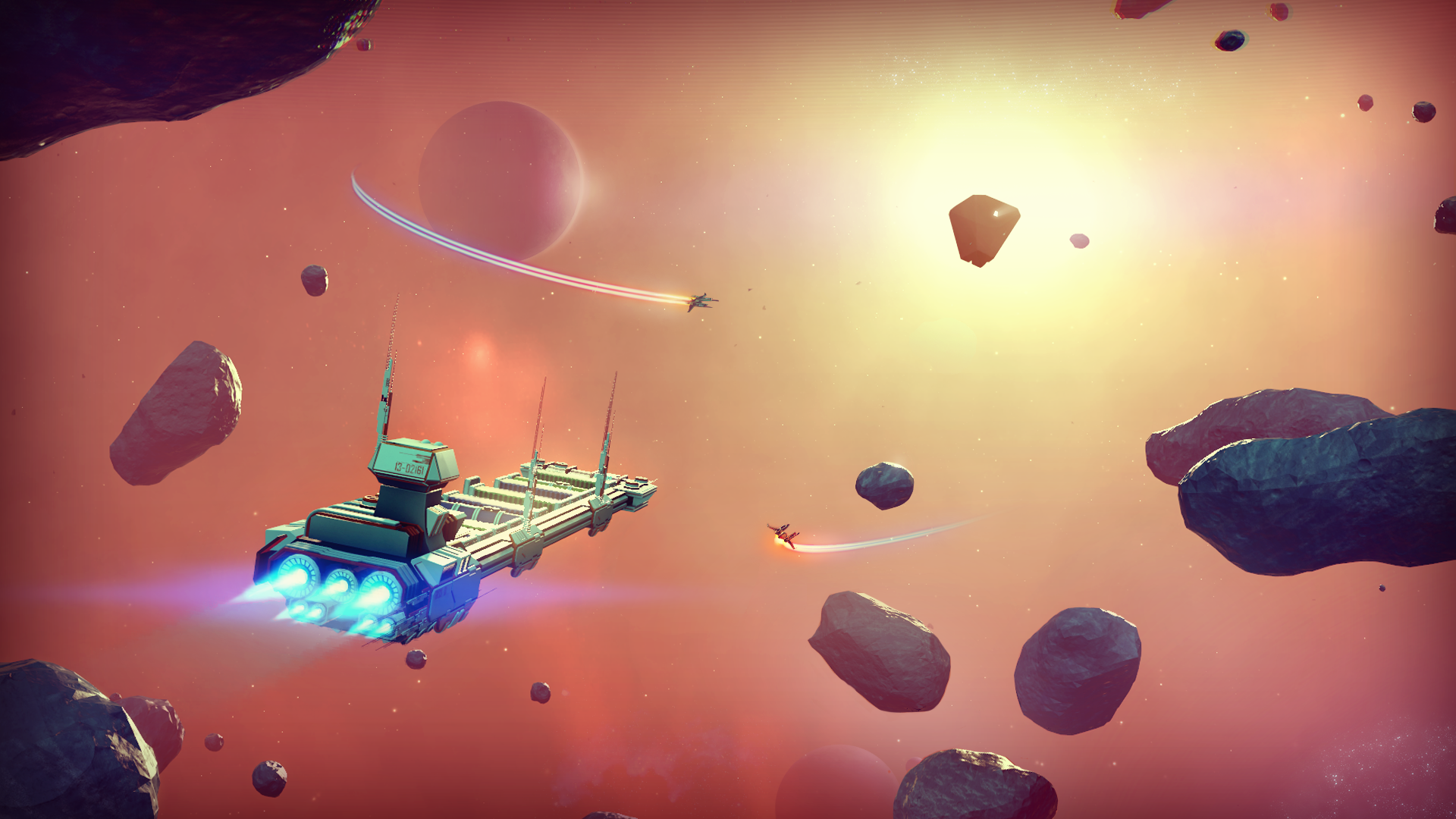
Putting Hello Games' epic to the sword, our own Chandler Wood went hands-on with No Man's Sky at E3 2015. It nabbed one of PSLS' coveted Best of E3 Awards, too.
Fast forward some nine months and we got our hands on a more complete build of the studio's space title. There's also a chat with Sean Murray himself.
-
Virtual Reality Not Off the Table
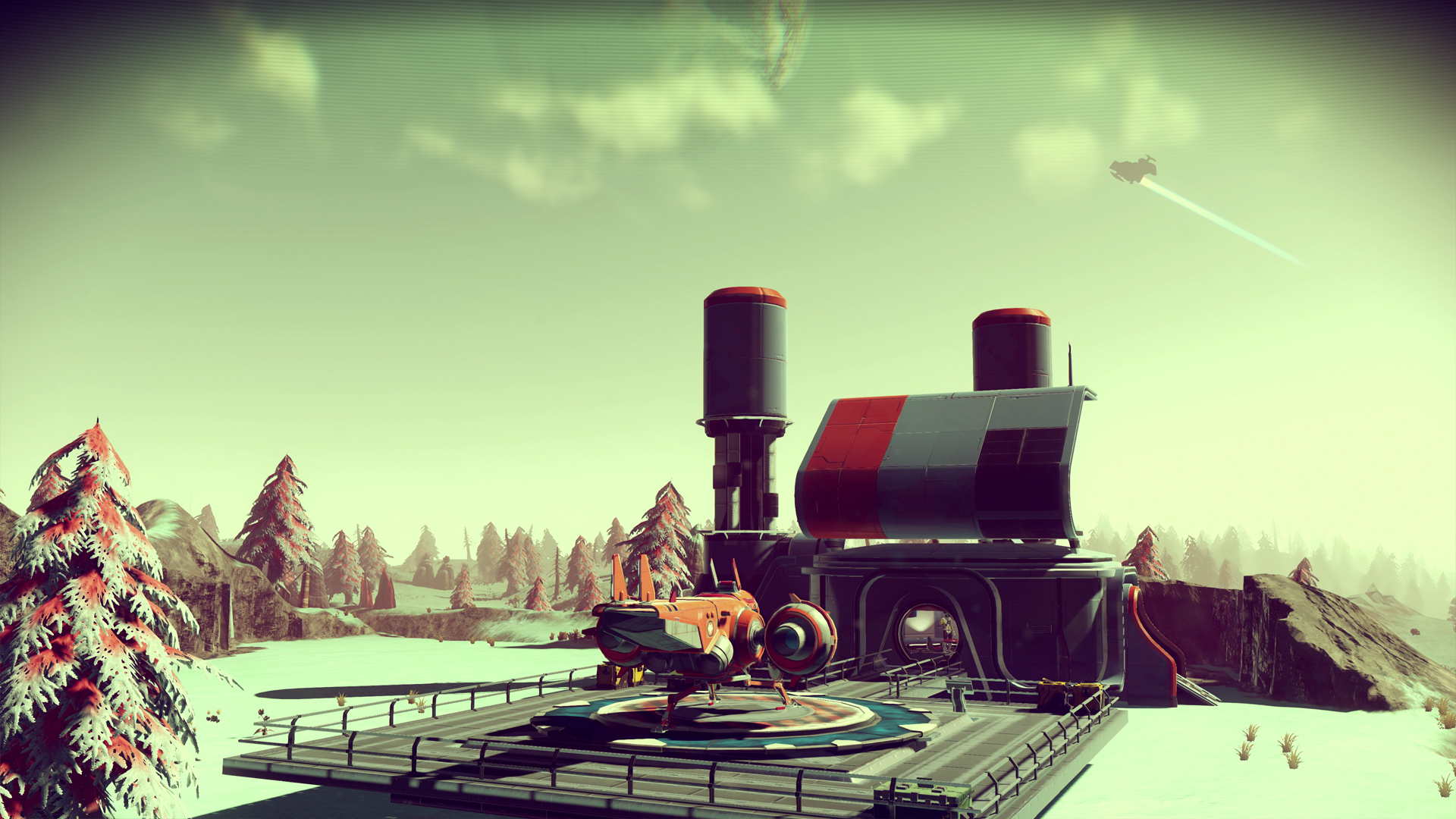
During our chat, the prospect of VR support inevitably came to the fore. That's something that Hello Games has flirted with before -- it could be the "perfect fit" -- even when the PlayStation VR was still referred to as Project Morpheus.
-
Smooth Sailing on PS4
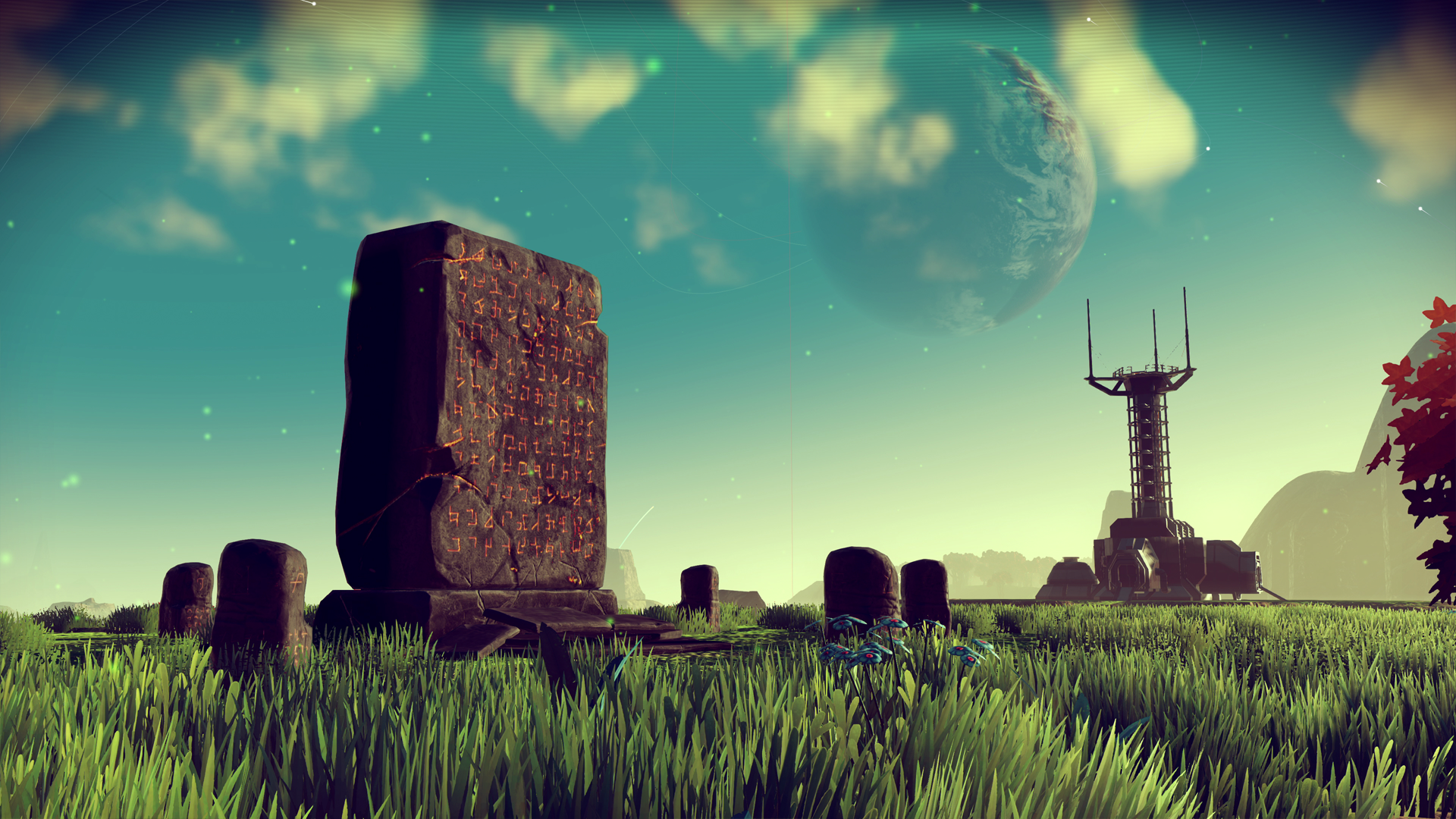
Despite reports to the contrary, No Man's Sky allegedly runs smoothly on PlayStation 4, and Sean Murray has allayed fears that the game will be hamstrung by frame rate issues and other technical hiccups.
-
Lore, Languages and Alien NPCs
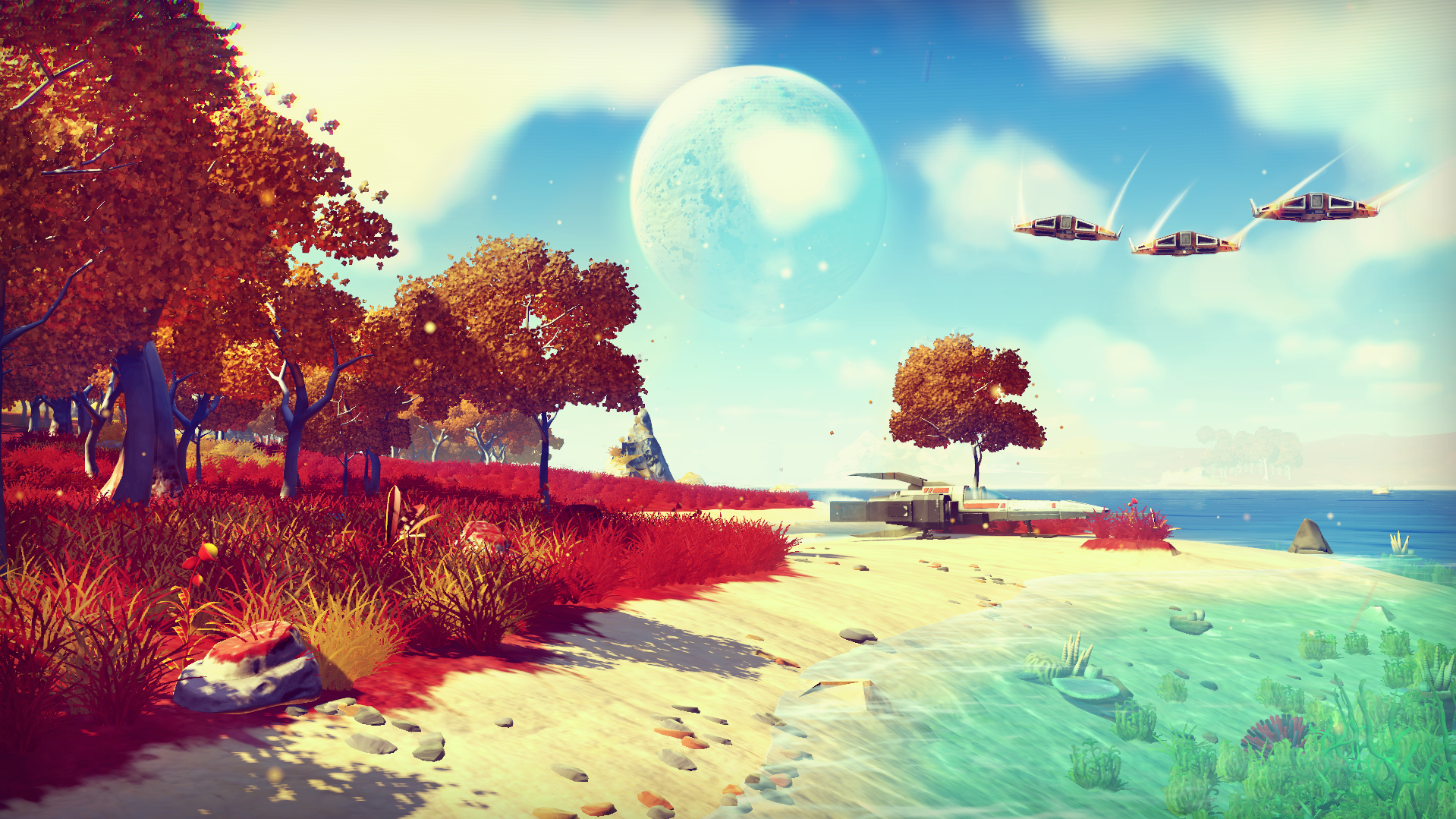
That's reassuring, too, considering the amount of lore here to discover. From NPC interaction to alien languages, No Man's Sky comes packing a rich, unfathomably complex universe to explore.
It's an interstellar narrative mapped out by the talented duo of Dave Gibbons (Watchmen, Kingsman: The Secret Service) and James Swallow (Deus Ex: Human Revolution, Star Trek).
-
Planetary Weather
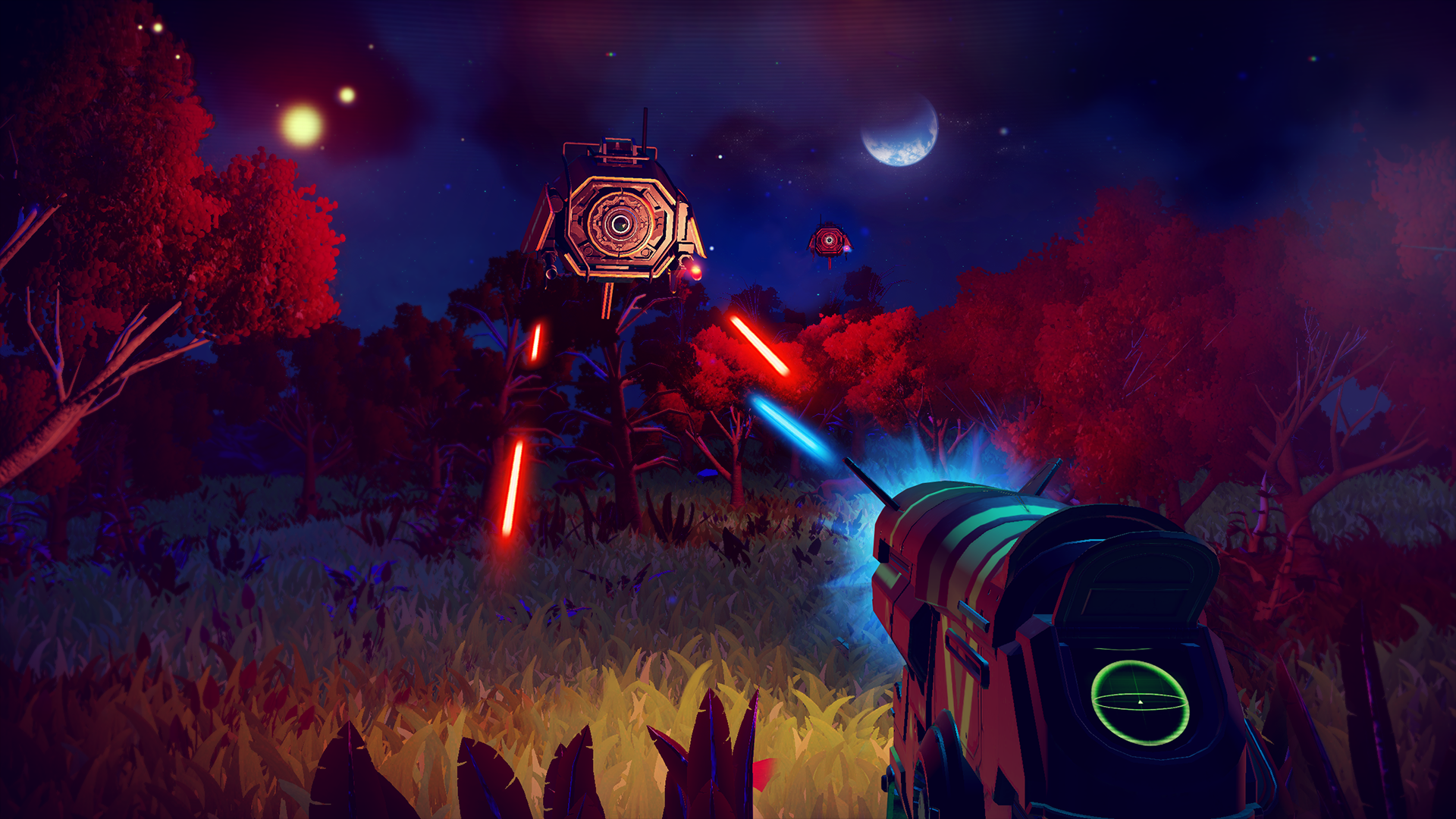
Such a boundless scope entices you to jump in the nearest spacecraft, right? Not so fast. Whether it's scorching hot temperatures or bitter-cold lows, many of the planets found in No Man's Sky are inhospitable.
"There are things like rain, dust storms, snow, blizzards, storms and a bunch of other things possible. There are also more alien weather types, effectively like radioactive and toxic hazards, and atmospheres made from different compositions to ours."
-
Prolonged Development
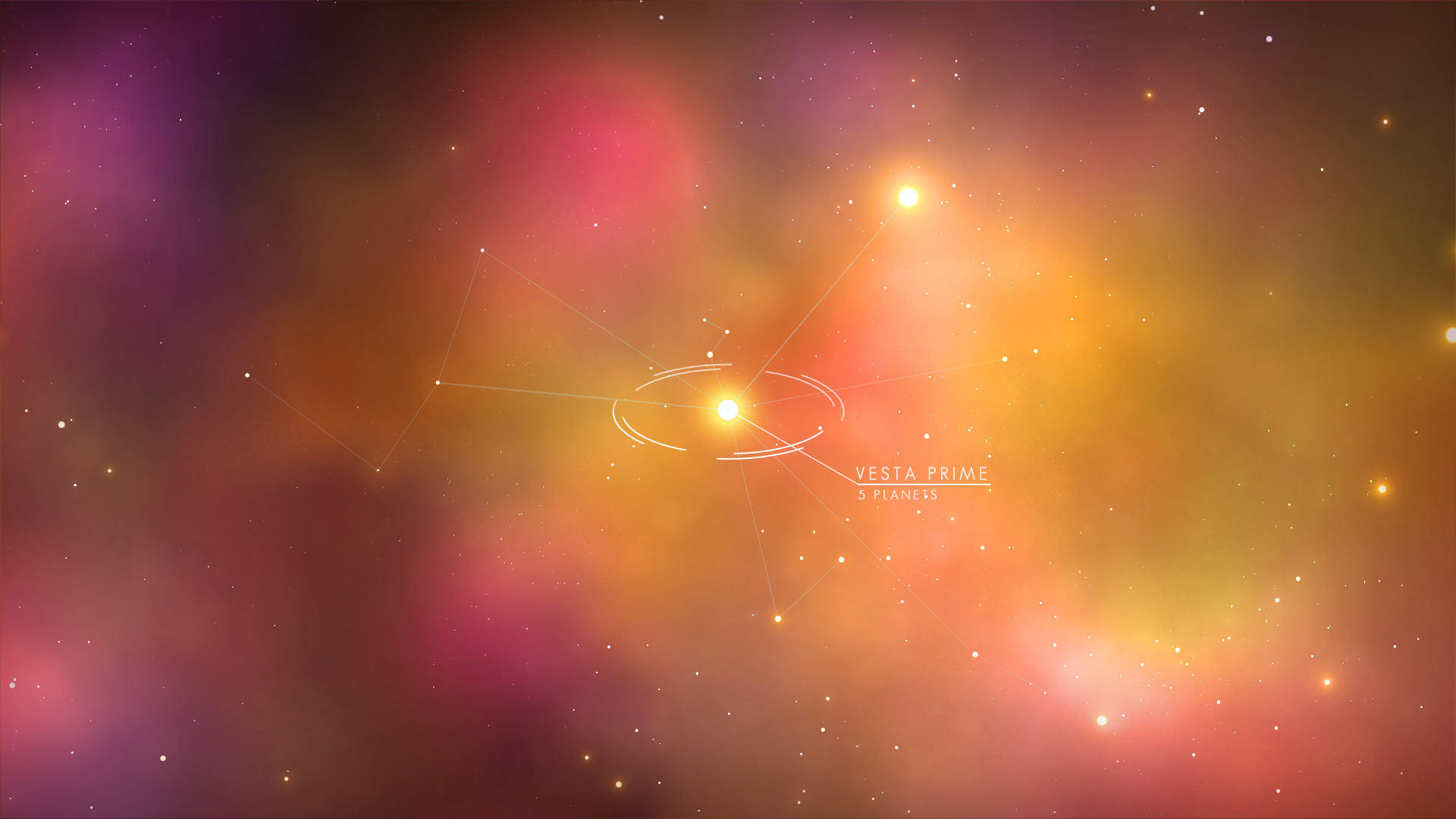
First showcased in the latter stages of 2013, it's fair to say No Man's Sky has been a long time coming.
Confirming initial reports to be true, Hello Games announced plans to postpone its hotly-anticipated title back in May, pegging No Man's Sky to the now-final release date of August 9 in North America.
If you're wanting to delve a little deeper, check out our piece recounting the road so far.
-
Hello Games Came Close to Pulling the Plug
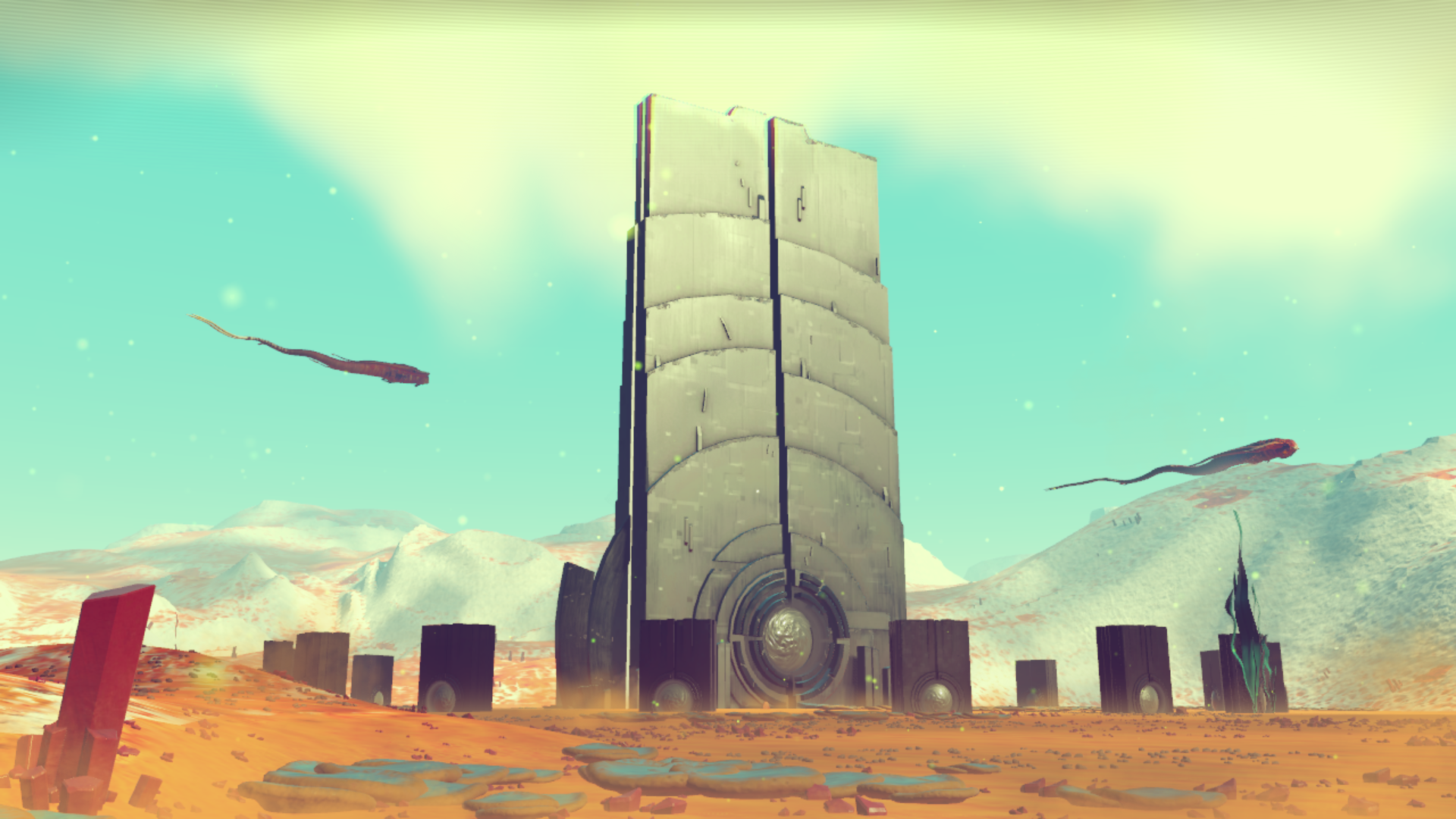
Fearing that the game wouldn't garner much interest, Sean Murray admitted that Hello Games came close to never revealing No Man's Sky in 2013.
That wasn't the only time when doubt was cast over the ambitious space sim. Only a few weeks after said announcement, the studio's home base in Guildford, England was hit by a devastating flood.
-
The Flood
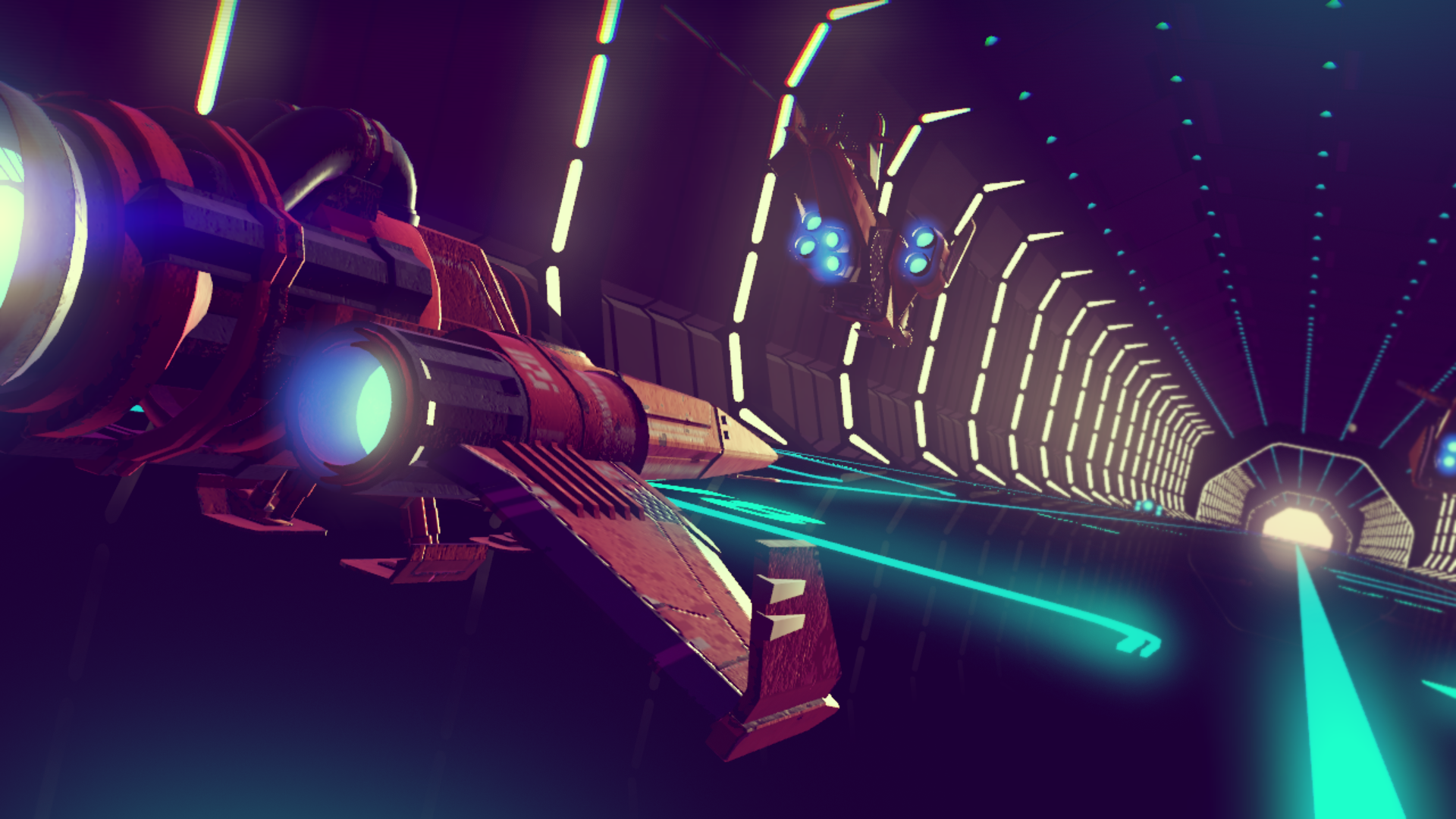
Christmas Eve, 2013. It's a time when Hello Games should have been riding high coming off the back of The VGAs. But a cruel flash flood brought that fairytale down to earth, with the studio revealing at the time that a significant chunk of work and development tools had been lost.
-
Legal Tussles
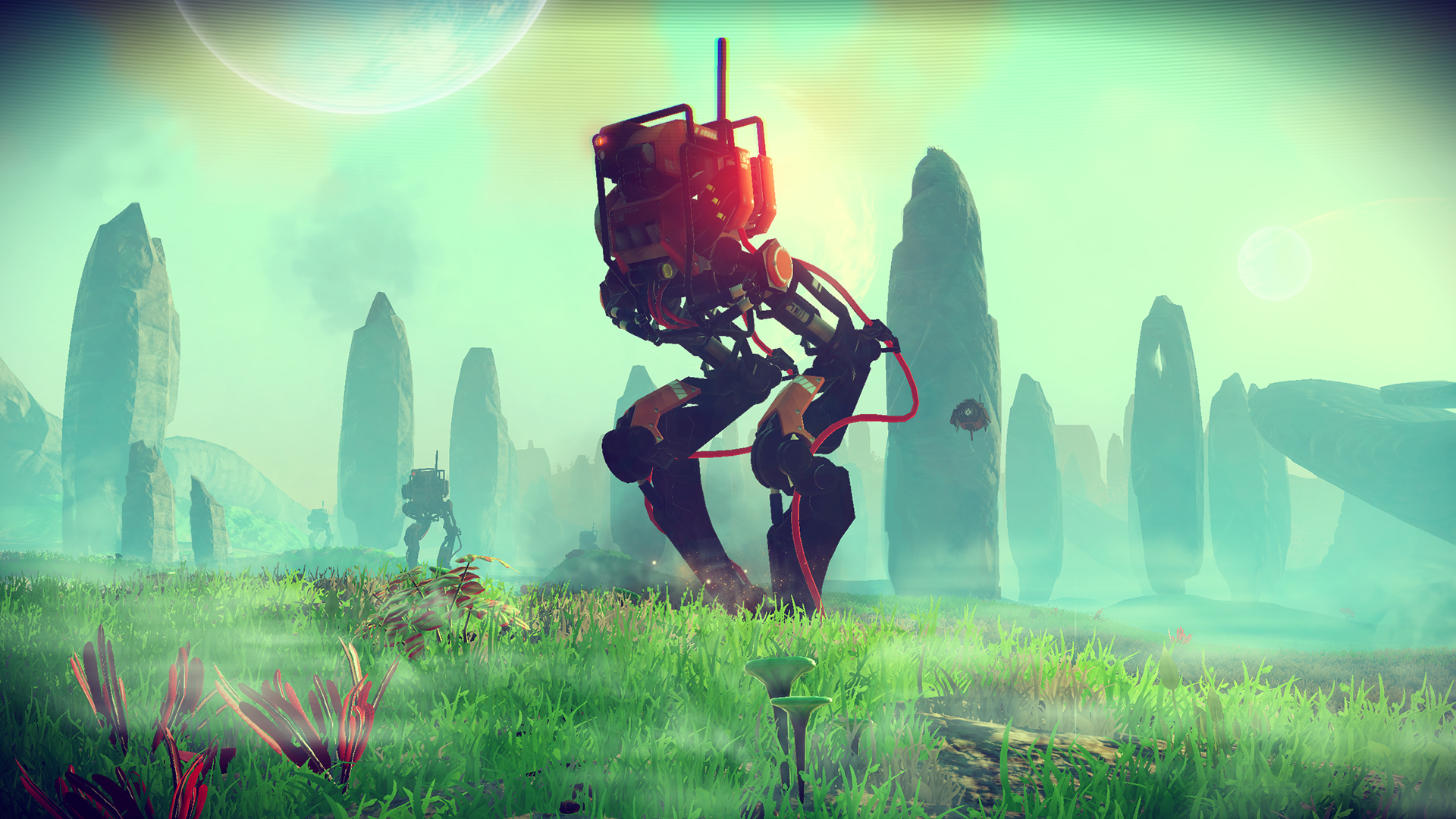
Hello Games' struggles stretched beyond natural disasters, too, after the developer was forced to settle a "secret" dispute regarding the No Man's Sky title, not to mention the allegations made against the patented superformula. Both were settled with relatively little fuss.
-
Most Anticipated Title of 2016
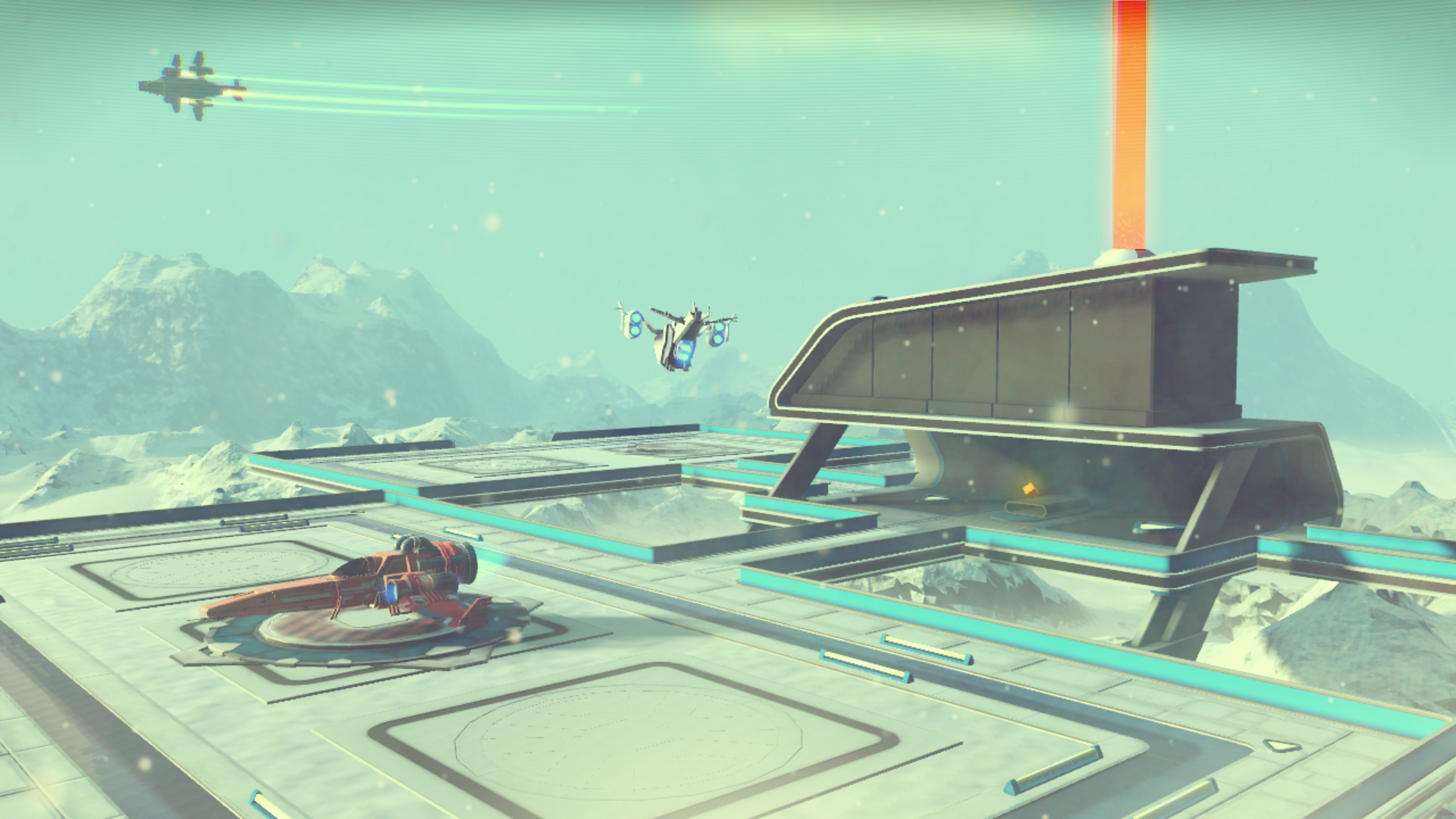
It makes for quite the comeback story, though; according to a straw poll conducted by Amazon, No Man's Sky stands as the most-anticipated title of 2016.
-
Soundtrack
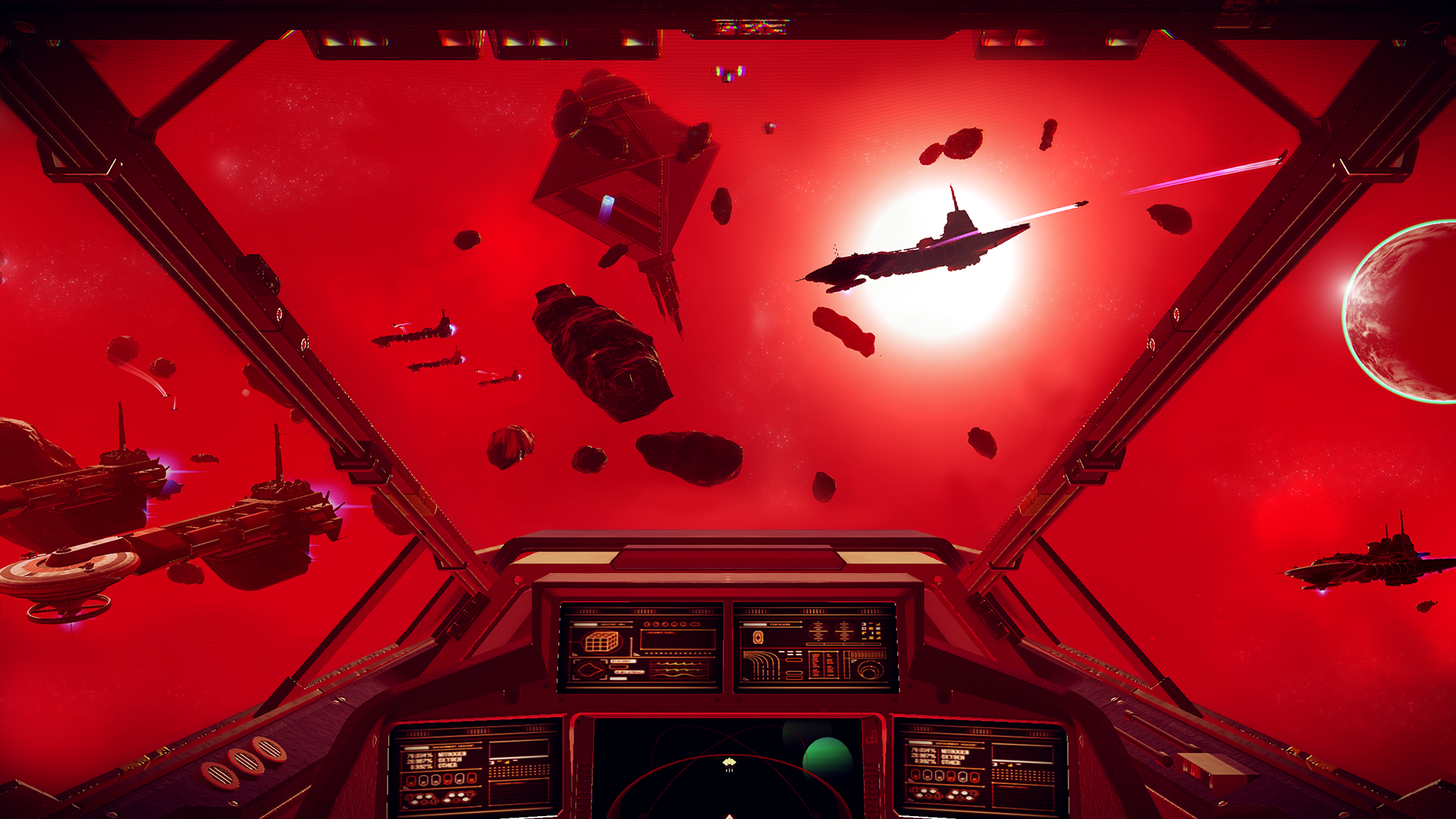
Featuring music from instrumental band 65daysofstatic, the official No Man's Sky soundtrack will be released in tandem with the game next week with the promise of additional music further down the line.
-
No PlayStation Plus Necessary
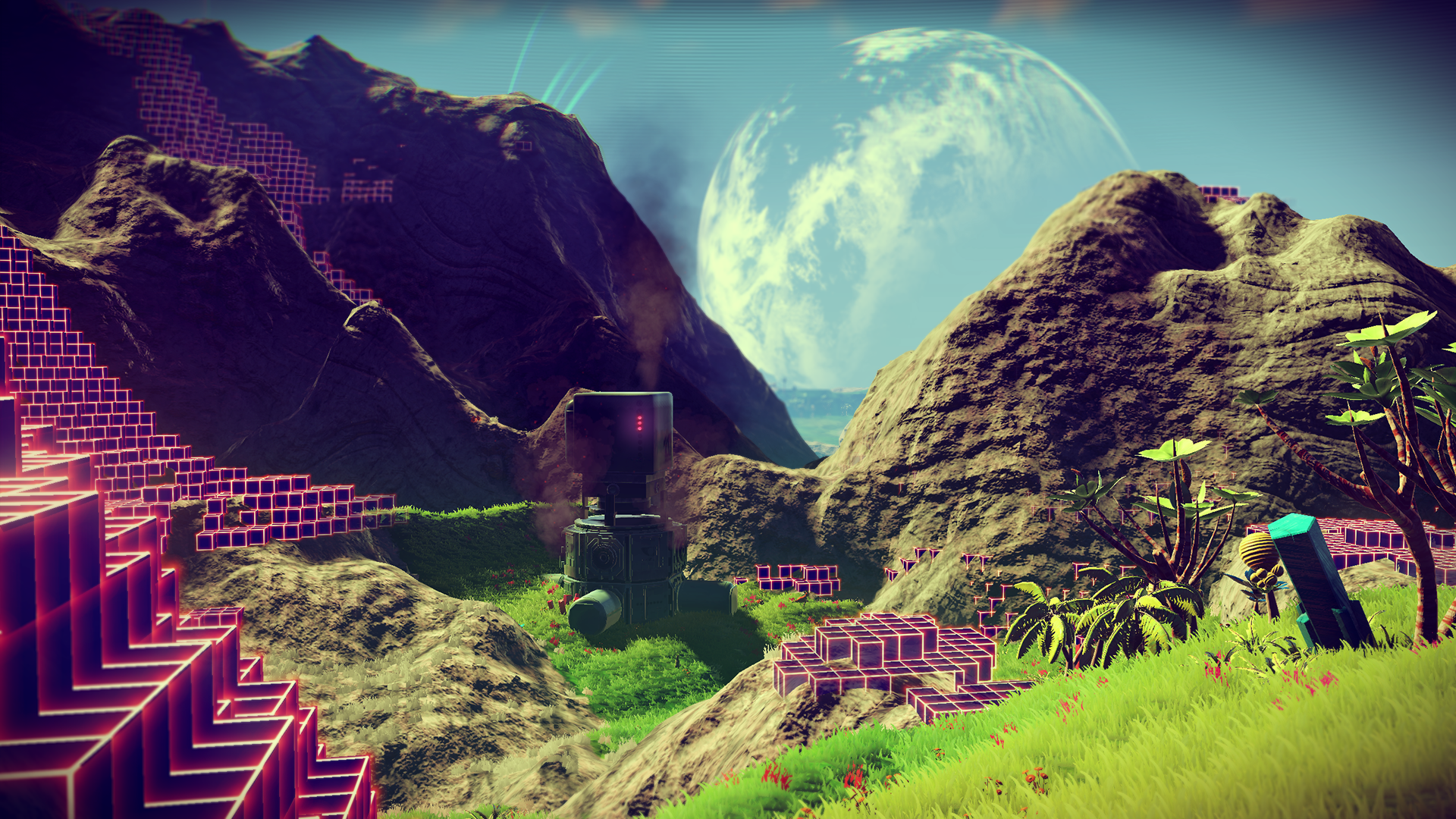
Though it's recommended to get the full experience, PlayStation Plus is not required to play online in No Man's Sky.
The only drawback is that you can't contribute to the in-game Atlas: "PS Plus won’t be a requirement to play online, however you will need to connected to the internet for your discoveries to register with the universal atlas." Speaking of which...
-
The Atlas
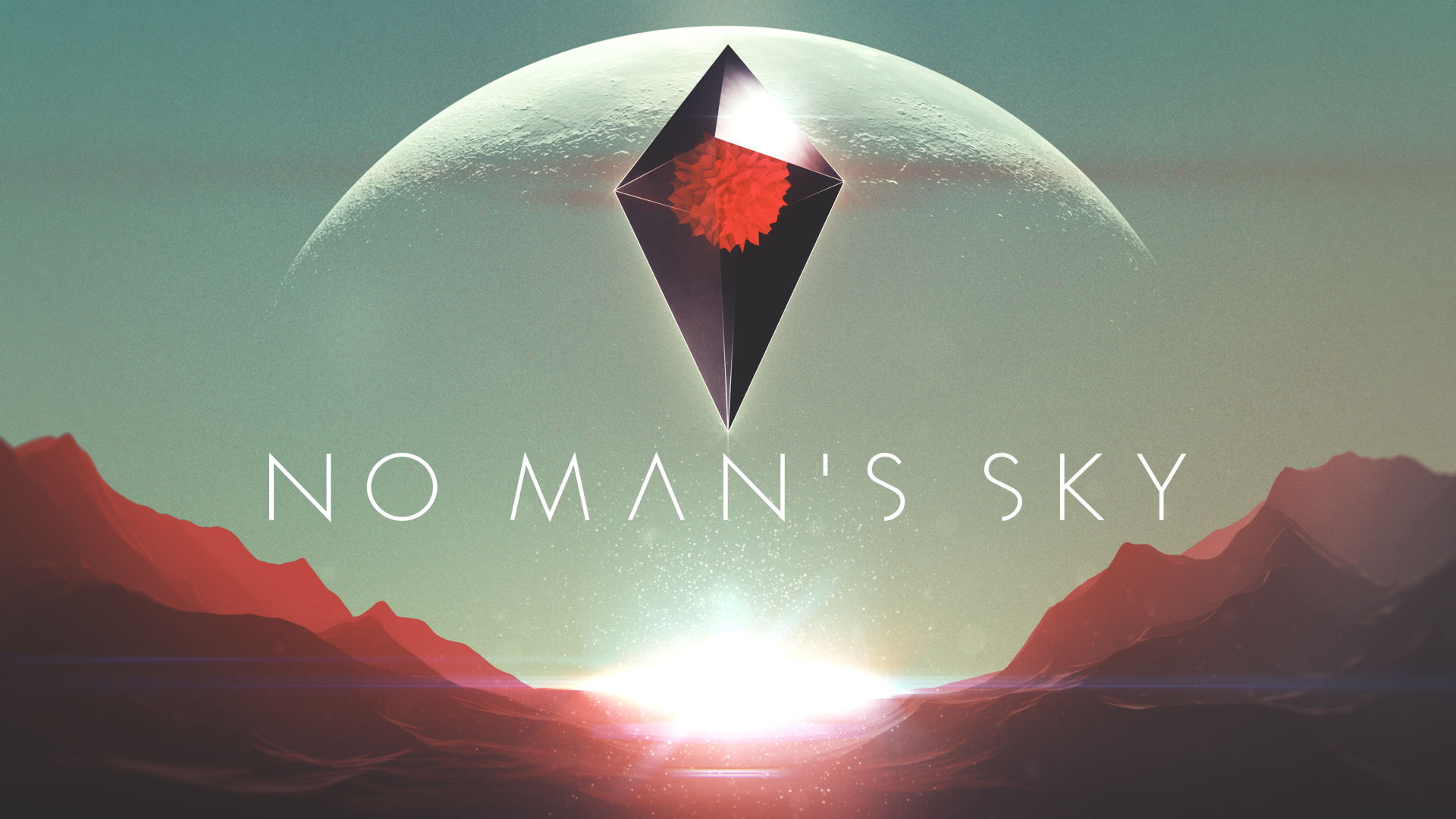
It's the floating translucent diamond that has been synonymous with No Man's Sky from the start, but that symbol actually represents The Atlas, the mysterious fixture of Hello Games' universe that is seemingly harbor a secret or two of its two.
Players will use the Atlas to chronicle their discoveries -- be that planets, flora, animals and everything in between.
-
PC Version Pushed
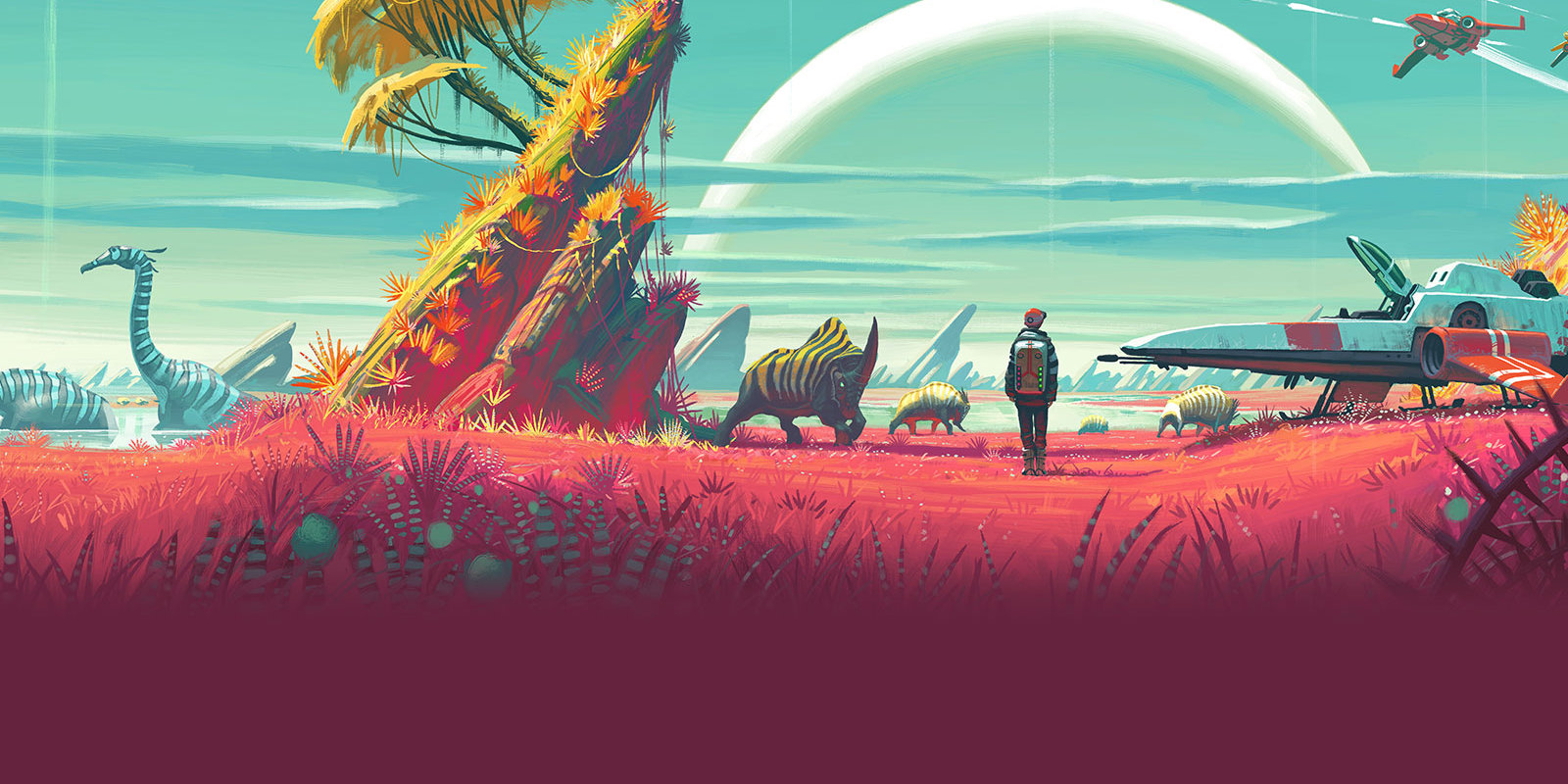
Once set to launch alongside its PS4 brethren, we learned recently that Hello Games had postponed the PC version of No Man's Sky by three days.
It'll now arrive on August 12, though the studio failed to explain its reasoning behind the last-minute delay.
-
6GB on Disc
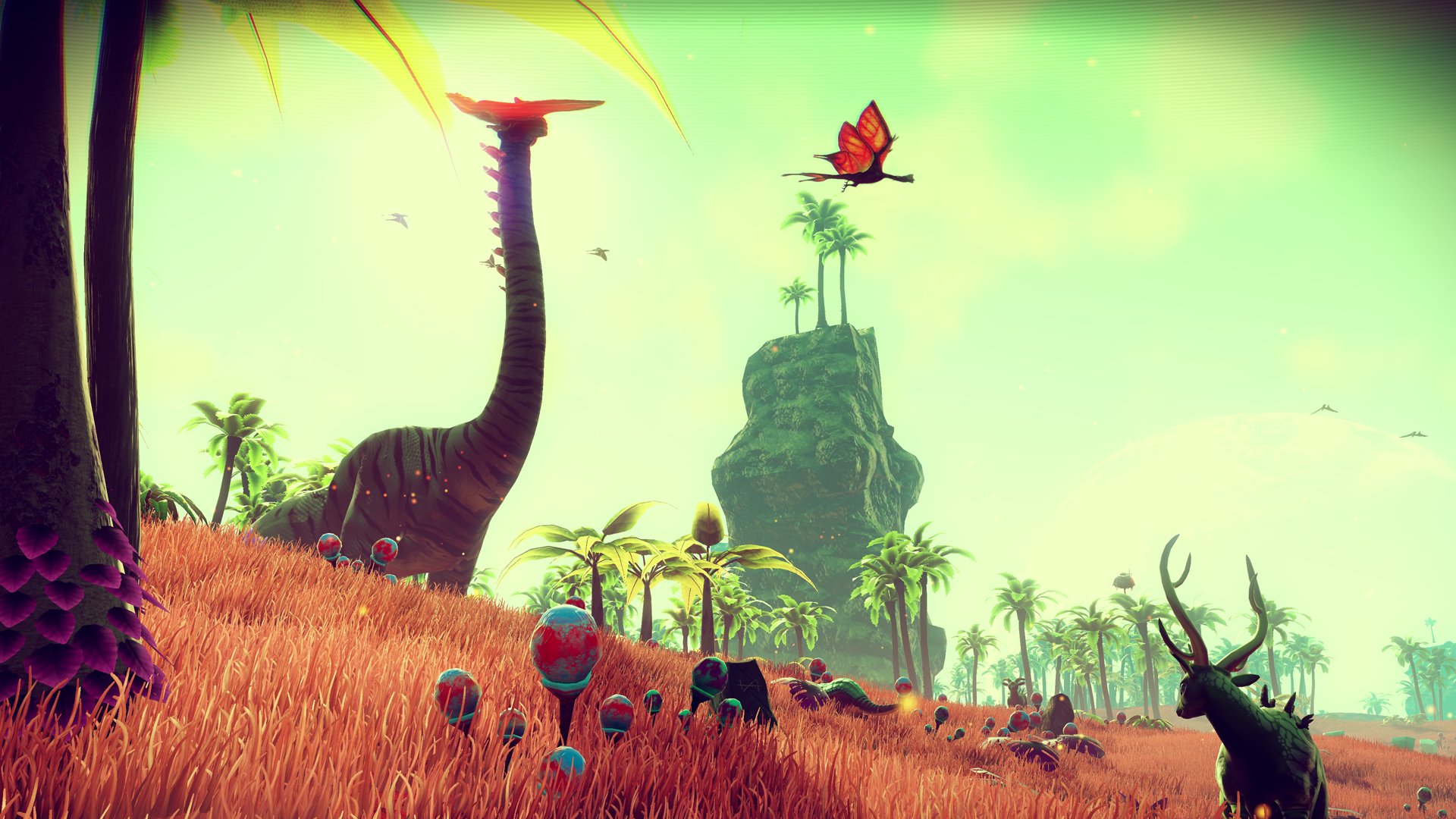
Though the digital size is yet to be determined, No Man's Sky will weigh in at 6GB on retail discs.
Although it seems someone paid an exorbitant amount of money to get their hands on an early copy...
-
$1,300 on eBay

eBay user daymeeuhn forked out a whopping $1,300 for an early retail copy of No Man's Sky.
That's quite the headline, but in responding to questions via Reddit, the user posted a fairly reasonable response.
"I’m a lucky guy. I’ve done well for myself. I have disposable income and I’m happy in life. I’m in a state of being where I don’t look at a purchase and determine the overall value by the price tag, but rather by how much happiness it will bring myself or the people I care about."
-
Done Deal
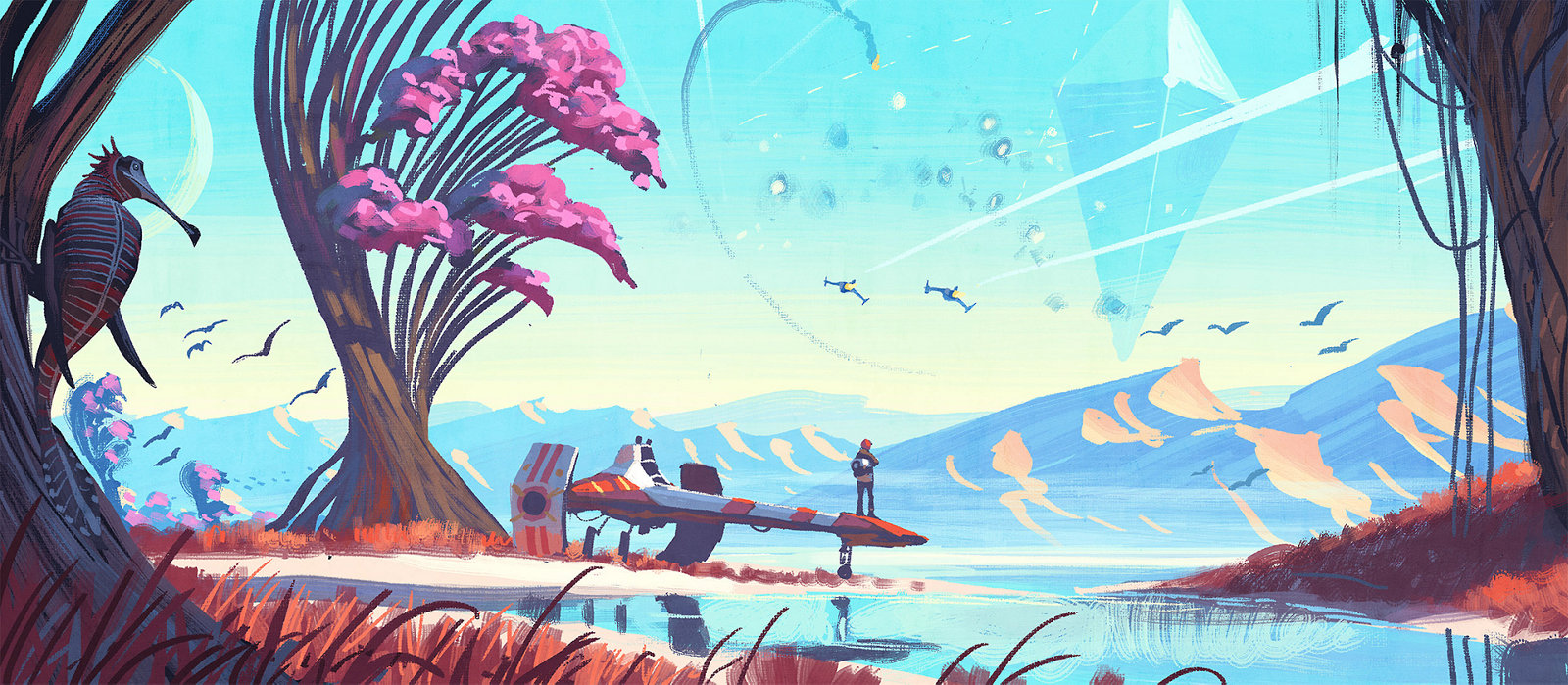
In a second update, that same flush eBay user claimed to have beaten the game. That is, reach the center of the universe. Mild spoilers within.
-
Top 5 & Trophy List
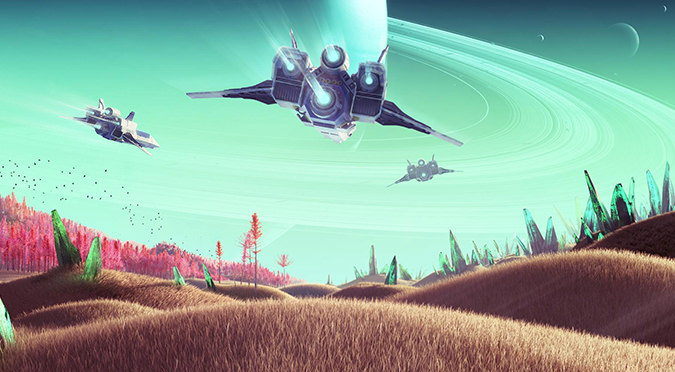
In anticipation of the No Man's Sky's arrival, we here at PSLS ran through the Top 5 reasons why we can't wait to delve into Hello Games' procedural universe.
The Trophy list has also popped, revealing the game's wealth of sci-fi inspirations.
-
Four Pillars & First Post-Launch Update
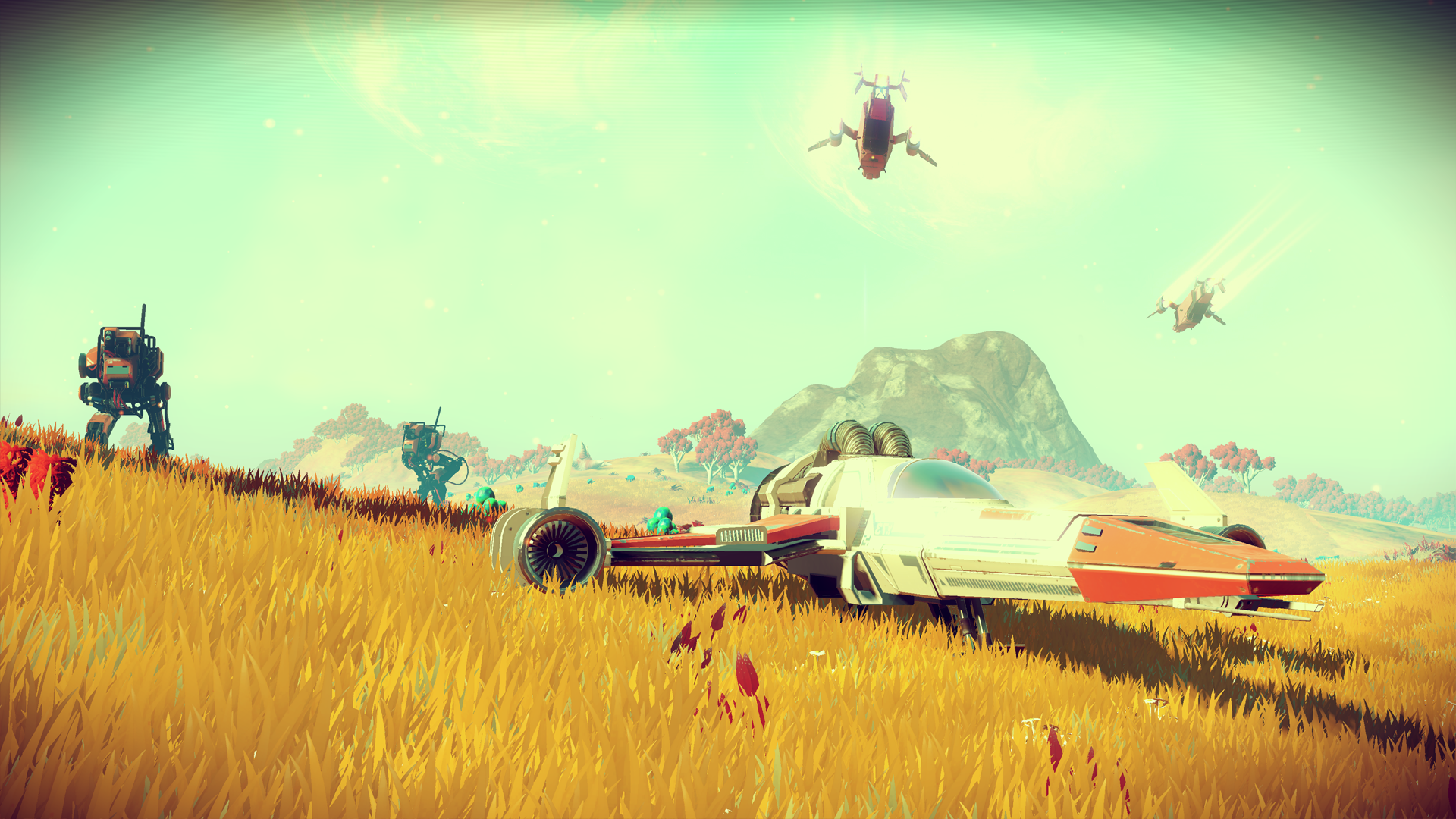
In educating would-be explorers about the moment-to-moment gameplay of No Man's Sky, a recent four-part video series covered the primary pillars: Survival. Combat. Exploration. Trading.
Beyond that, there's also word of the first post-launch update. It'll add "new features, balancing and content."
-
Rated T for Teen
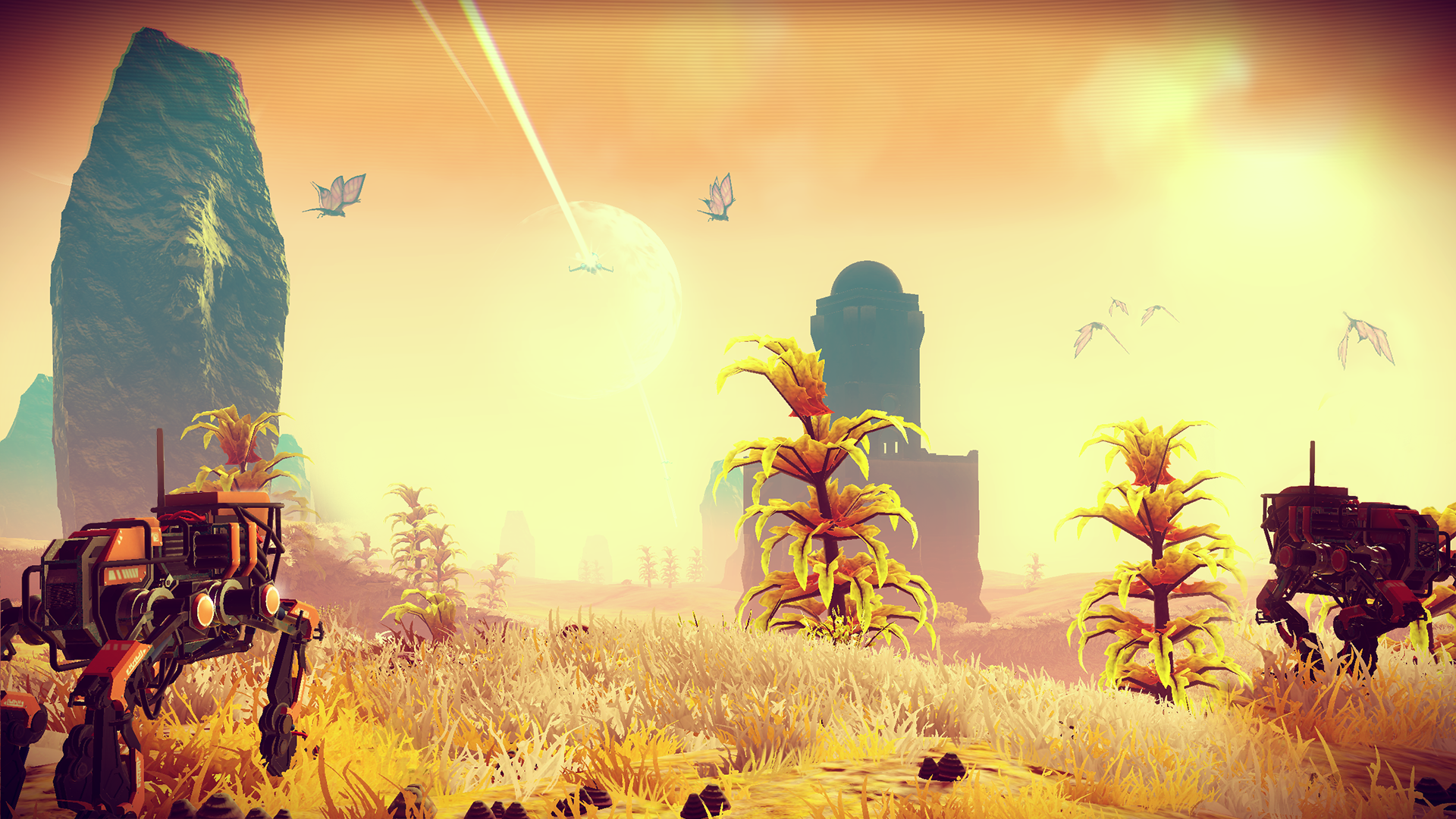
Citing laser blasts and explosions, the ESRB has officially rated No Man's Sky T for Teen.
Here's the rundown:
"From a first-person perspective, players travel between planetary systems to explore alien worlds for resources, upgrade equipment, and discover unique life forms. As players pilot spacecrafts to different planets, they can engage in space combat against enemy ships and space pirates; combat is accompanied by laser fire and large explosions."
-
Limited Edition & Faceplate
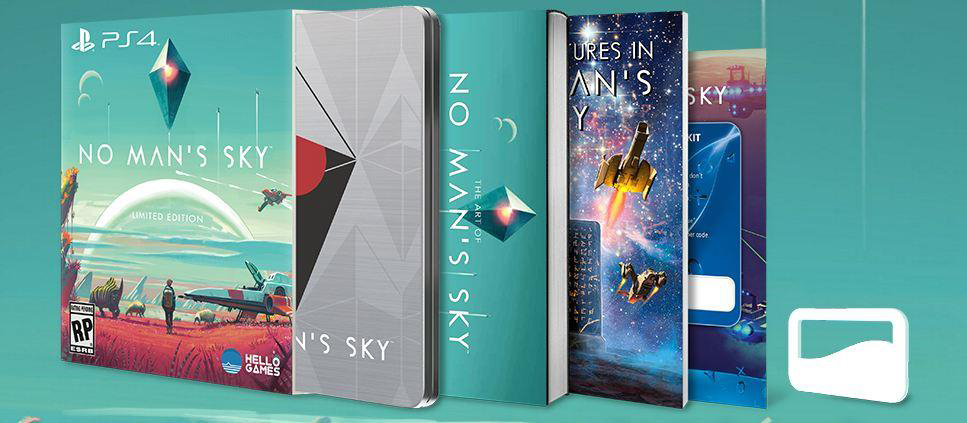
Priced at $79.99, the No Man’s Sky Limited Edition bundles together the game itself, steelbook, art book, comic, and more.
There's also a sleek faceplate to add to your PS4.